Get your free personalized podcast brief
We scan new podcasts and send you the top 5 insights daily.
Kleiner Perkins' John Doerr attended a pitch meeting directly after a bike accident and ER visit. While he was groggy, his decision to show up despite injury was a powerful signal of his high level of interest and commitment, more so than a typical polite meeting.

Related Insights
Investors should view a founder's desire to learn skills like etiquette not as a weakness, but as a strong positive signal. It demonstrates humility, introspection, and a drive for self-improvement—key traits for a coachable and successful leader. The capacity for growth can be more valuable than pre-existing polish, identifying them as better long-term partners.

By ending every pitch asking to repeat the founder's vision, VCs can ensure accurate understanding, give founders a chance to correct details, and signal deep respect. This small process change significantly improves the founder experience and quality of diligence.
Gary Vaynerchuk's investment thesis centers on a founder's character, specifically their resilience. He looks for founders who, when metaphorically "punched in the face," will get back up and fight even harder, seeing this as the key indicator of massive success.

When a VC reaches out before you're fundraising, don't take the meeting. State that you're busy building and suggest a meeting in a future quarter. This scarcity tactic, or 'negging,' signals confidence and makes your startup more desirable to the investor.

If a venture capitalist seems dismissive or is about to pass on your startup, abruptly moving to end the conversation can trigger their fear of missing out. Their instinct to not let a potential deal walk away can make them instantly re-engage, even if it's only to offer help or introductions.

Ben Orthlieb of Blue Moon considers a founder asking to invest in his fund—even after just one meeting—the highest form of validation. This rare action indicates that the VC's approach and process are so compelling that founders see the firm itself as a valuable product worth backing personally, regardless of whether their own company receives an investment.

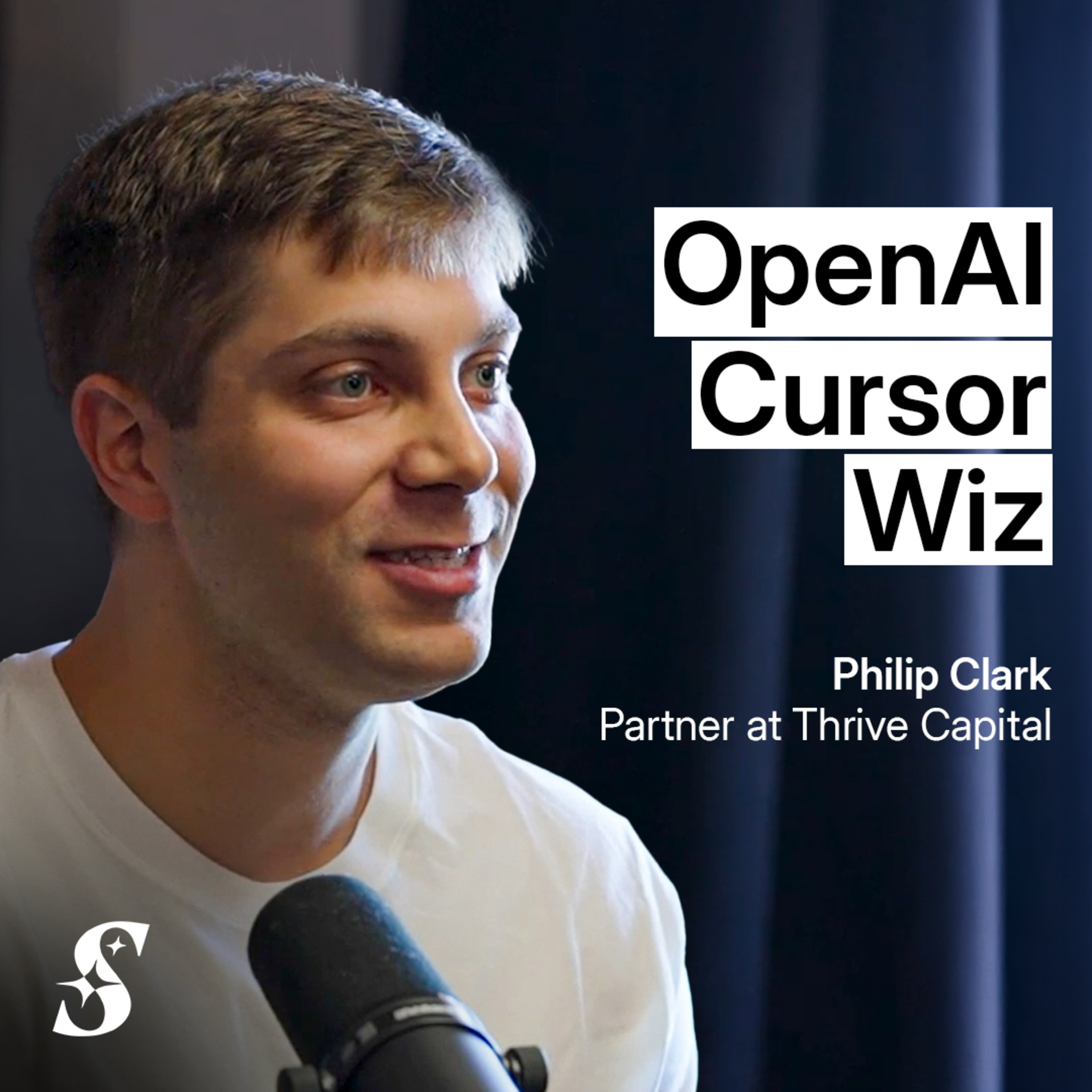
When meeting Cursor's founder, the investor felt an "electric energy" even as the founder was pivoting away from his original idea. This highlights that for elite early-stage investors, the founder's intrinsic drive and potential are the constant to bet on, as ideas will inevitably change.
The most exceptional founders are so intensely focused on building their business that they deprioritize non-critical communication, even with investors. Their slow response time is a counter-intuitive signal of extreme dedication and focus, not disrespect.
A VC canceled a meeting on a founder who had already flown in for it. This single disrespectful act led the founder to tell the story for a decade, actively harming the firm's reputation. It's a stark reminder that in a small ecosystem, every interaction matters.
During their first meeting with their future marketing head, Andreessen and Horowitz seemed distracted but then immediately dove into detailed, grilling questions. This reveals a core founder trait: their minds are always on the biggest problems, but they can instantly pivot to dissect substance when it's presented.