Get your free personalized podcast brief
We scan new podcasts and send you the top 5 insights daily.
To drive cultural change and ensure adoption of a new process, give it a memorable, idiosyncratic name. Rippling calls its Product Quality List the 'Pickle' (PQL). This creates a 'vessel for meaning' that becomes part of the daily lexicon, making the process stick in a way a generic name wouldn't.
Related Insights
Unlike companies where values are just posters, Amazon integrates its leadership principles into core processes like promotion documents and project meetings. This constant, practical application forces employees to learn and embody the principles, making them the true operating system of the company culture.

Address cultural issues by applying product management principles. Use surveys to gather data and identify pain points, then empower the team to propose solutions. Test these ideas like product features and iterate based on what works, making culture-building a shared, active process.
Create a public document detailing your company's operating principles—from Slack usage to coding standards. This "operating system" makes cultural norms explicit, prevents recurring debates, and allows potential hires to self-select based on alignment, saving time and reducing friction as you scale.

To move beyond static playbooks, treat your team's ways of working (e.g., meetings, frameworks) as a product. Define the problem they solve, for whom, and what success looks like. This approach allows for public reflection and iterative improvement based on whether the process is achieving its goal.

Company-wide processes like annual planning often become bland and unopinionated to appease all stakeholders and avoid criticism. In contrast, companies with strong cultures often have opinionated leaders who champion specific, quirky rituals, which infuses the entire organization with a distinct and effective character.

To introduce a new idea, a leader shouldn't dictate terms. Instead, they should pose it as a discussion topic and listen to the language the team uses (e.g., "cost of living" vs. "inflation"). Adopting their terminology builds shared understanding and makes people feel heard, which enables collective action.
Use company-wide meetings to reinforce your operating system. Instead of only celebrating wins, have successful teams present the specific processes and methods they used. This turns every success story into a practical, scalable lesson for the entire organization.
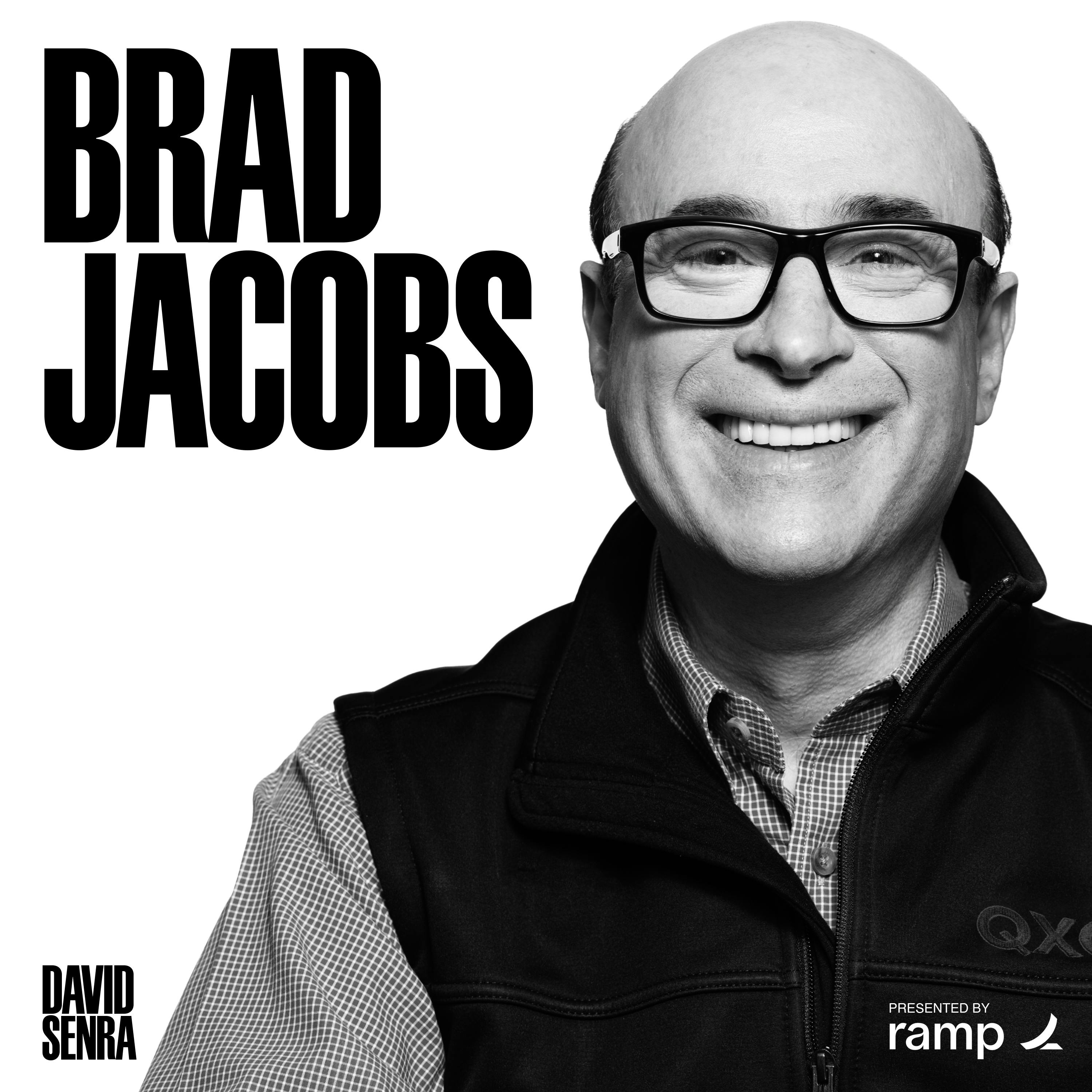
Jacobs's team uses the acronym WOTWOM—Waste Of Time, Waste Of Money—as a rapid check on new ideas. Any suggestion can be challenged with this label if it doesn't clearly contribute to organic revenue growth or margin expansion. This simple tool creates a culture focused on high-leverage activities.
Instead of vague values, define culture as a concrete set of "if-then" statements that govern reinforcement (e.g., "IF you are on time, THEN you are respected"). This turns an abstract concept into an operational system that can be explicitly taught, managed, and improved across the organization.

Instead of just simplifying ideas, focus on making them highly repeatable and shareable, like a meme. This involves distilling a concept into a single, evocative phrase or visual that people will want to reuse, ensuring the core message propagates organically through an organization.