Get your free personalized podcast brief
We scan new podcasts and send you the top 5 insights daily.
By hiring the founder of the promising open-source agent platform OpenClaw, OpenAI effectively neutralized a key competitor. This move "ripped the soul out" of the project, causing its momentum and innovation to dissipate almost immediately—a classic strategy of buying and subsuming a threat.

Related Insights
The story of OpenClaw's creator shows how a single person can build a tool so superior to what large labs like OpenAI produce that it forces a high-profile "acqui-hire." This highlights the immense leverage of individual talent in the current AI landscape.
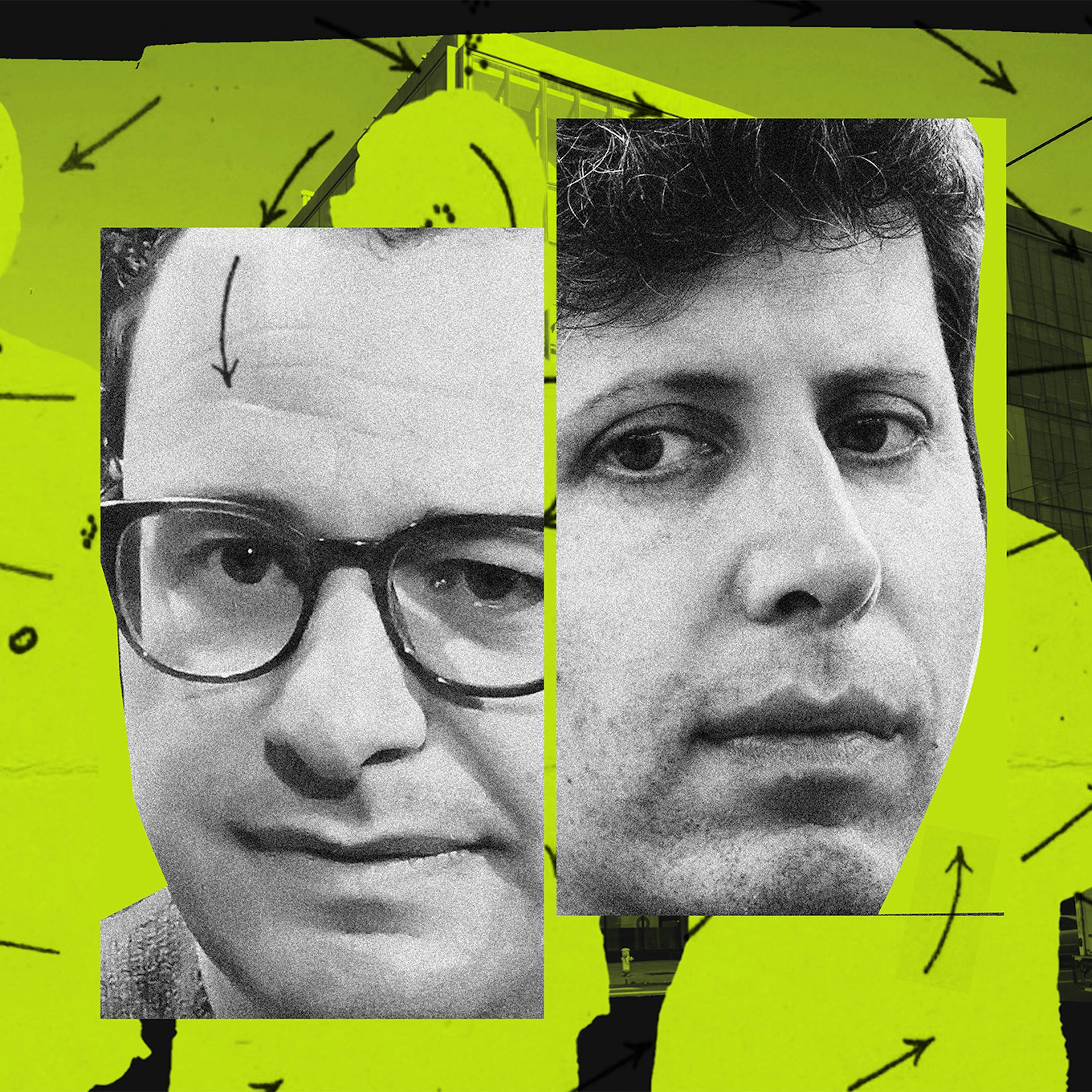
Following the loss of prominent figures like Karpathy and Sutskever, OpenAI's move for OpenClaw's founder is more than a technology acquisition. It's a strategic 'acqui-hire' of a new developer hero who commands immense community respect. This move reinvigorates OpenAI's brand as the top destination for builders and inspires internal teams.

The potential sale of Hugging Face highlights a strategic imperative: large tech companies must acquire open-source hubs to control the ecosystem. This allows them to neutralize competitive threats, gather usage data, and steer developers towards their proprietary cloud services or models.
The logical endgame for OpenAI, if it truly believes it will achieve AGI, is not to sell intelligence via APIs. Instead, it would be to hoard its most powerful models, make them exclusive to its own proprietary products (e.g., OpenAI CRM), and cut off competitors, thereby capturing all the economic value.

Anthropic's defensive legal action against the viral 'Clawdbot' project, which used its technology, contrasted with OpenAI's collaborative approach. This decision alienated the project's creator and community, directly leading to their biggest competitor acquiring the most significant grassroots AI movement in years.
The optimistic take is that OpenAI paid a premium to bring founder Peter in-house for his talent and to gain strategic insights from the open-source project's development. Placing OpenClaw in a foundation led by the ethical Dave Morin is a move to reassure the community.
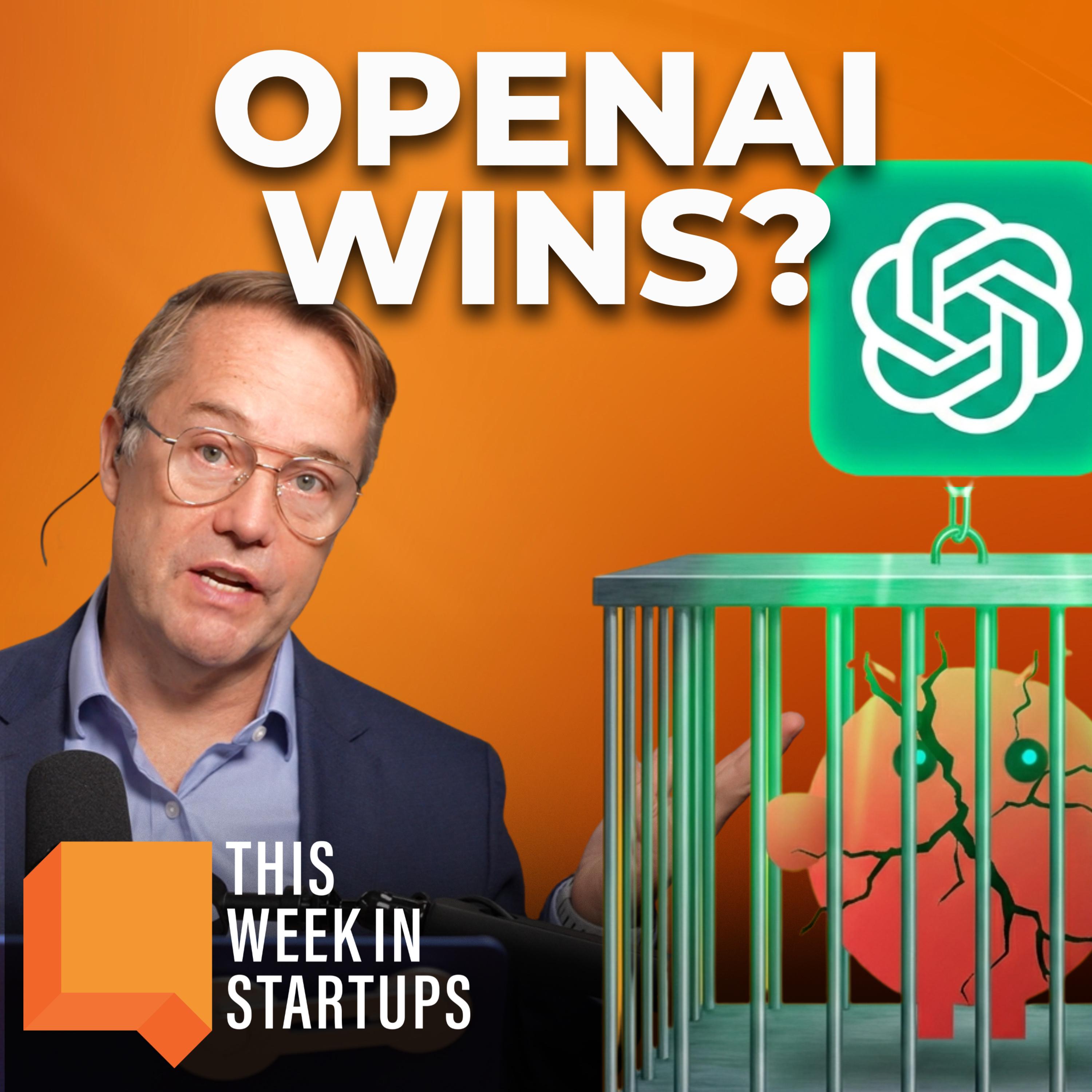
The cynical view of OpenAI's acquisition of OpenClaw is that it's a defensive move to control the dominant user interface. By owning the 'front door' to AI, they can prevent competing models from gaining traction and ultimately absorb all innovation into their closed ecosystem.
To hire OpenClaw's founder Peter Steinberger, OpenAI established a separate foundation to house his open-source project. This novel acqui-hire tactic secures top talent whose primary motivation is preserving their project's open-source integrity, demonstrating flexibility in the competitive AI talent war.

OpenAI is poaching top talent and developing its own hardware, signaling a strategy akin to Bill Gates' Microsoft. The takeaway is that OpenAI will ultimately compete with any partner, using partnerships as a short-term tactic before building or copying their products directly.

Anthropic's aggressive legal stance against the popular open-source project 'Claude Bot' backfired. It not only alienated developers but also created a perfect opportunity for rival OpenAI to acquire the project (renamed 'OpenClaw'), turning a competitor's PR fumble into a major strategic win and ecosystem capture.