Get your free personalized podcast brief
We scan new podcasts and send you the top 5 insights daily.
The logical endgame for OpenAI, if it truly believes it will achieve AGI, is not to sell intelligence via APIs. Instead, it would be to hoard its most powerful models, make them exclusive to its own proprietary products (e.g., OpenAI CRM), and cut off competitors, thereby capturing all the economic value.

Related Insights
OpenAI embraces the 'platform paradox' by selling API access to startups that compete directly with its own apps like ChatGPT. The strategy is to foster a broad ecosystem, believing that enabling competitors is necessary to avoid losing the platform race entirely.

As open-weight models close the performance gap, the defensibility for labs like OpenAI is no longer just their model's intelligence. Their lasting moat lies in user-facing products or 'harnesses' like ChatGPT or Claude, which offer a sticky, integrated experience that is harder to commoditize than the underlying API.

Developers using OpenAI's API risk having their innovations copied. The company allegedly studies API usage to identify successful applications and then builds competing features, a strategy historically employed by platform giants like Microsoft and Facebook to absorb value from their ecosystems.
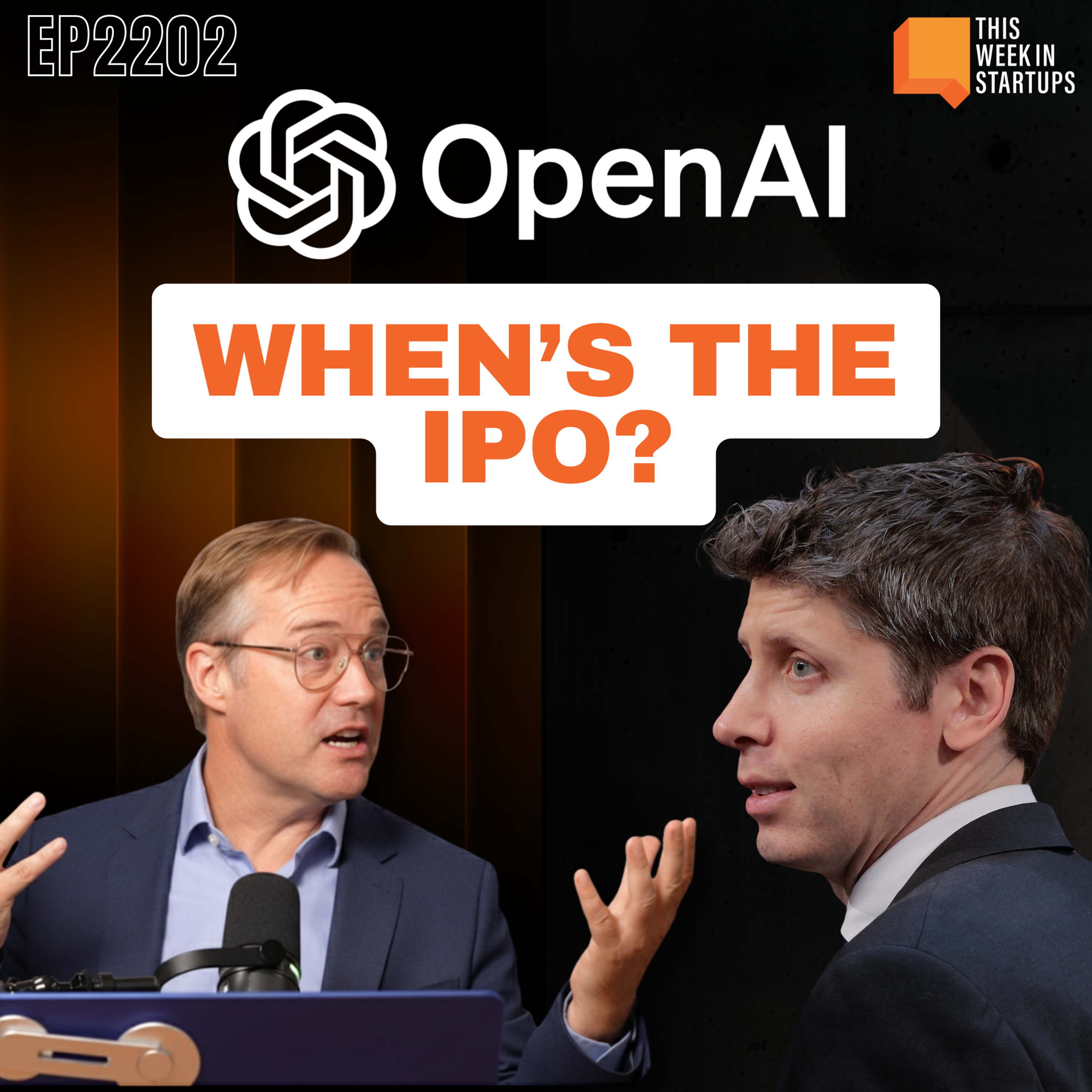
The assumption that startups can build on frontier model APIs is temporary. Emad Mostaque predicts that once models are sufficiently capable, labs like OpenAI will cease API access and use their superior internal models to outcompete businesses in every sector, fulfilling their AGI mission.

Companies like Anthropic and OpenAI are shifting from being API providers to building first-party "super apps." This creates a conflict where they might reserve their most powerful models for internal use, giving smaller, distilled versions to API customers, thus undermining the third-party ecosystem they helped create.

In an unusual strategy, OpenAI provides its latest models to direct competitors. The company believes that a more competitive market accelerates learning and pushes them to improve faster. This long-term view prioritizes the overall distribution of intelligence over short-term competitive moats.
With model improvements showing diminishing returns and competitors like Google achieving parity, OpenAI is shifting focus to enterprise applications. The strategic battleground is moving from foundational model superiority to practical, valuable productization for businesses.
The cynical view of OpenAI's acquisition of OpenClaw is that it's a defensive move to control the dominant user interface. By owning the 'front door' to AI, they can prevent competing models from gaining traction and ultimately absorb all innovation into their closed ecosystem.
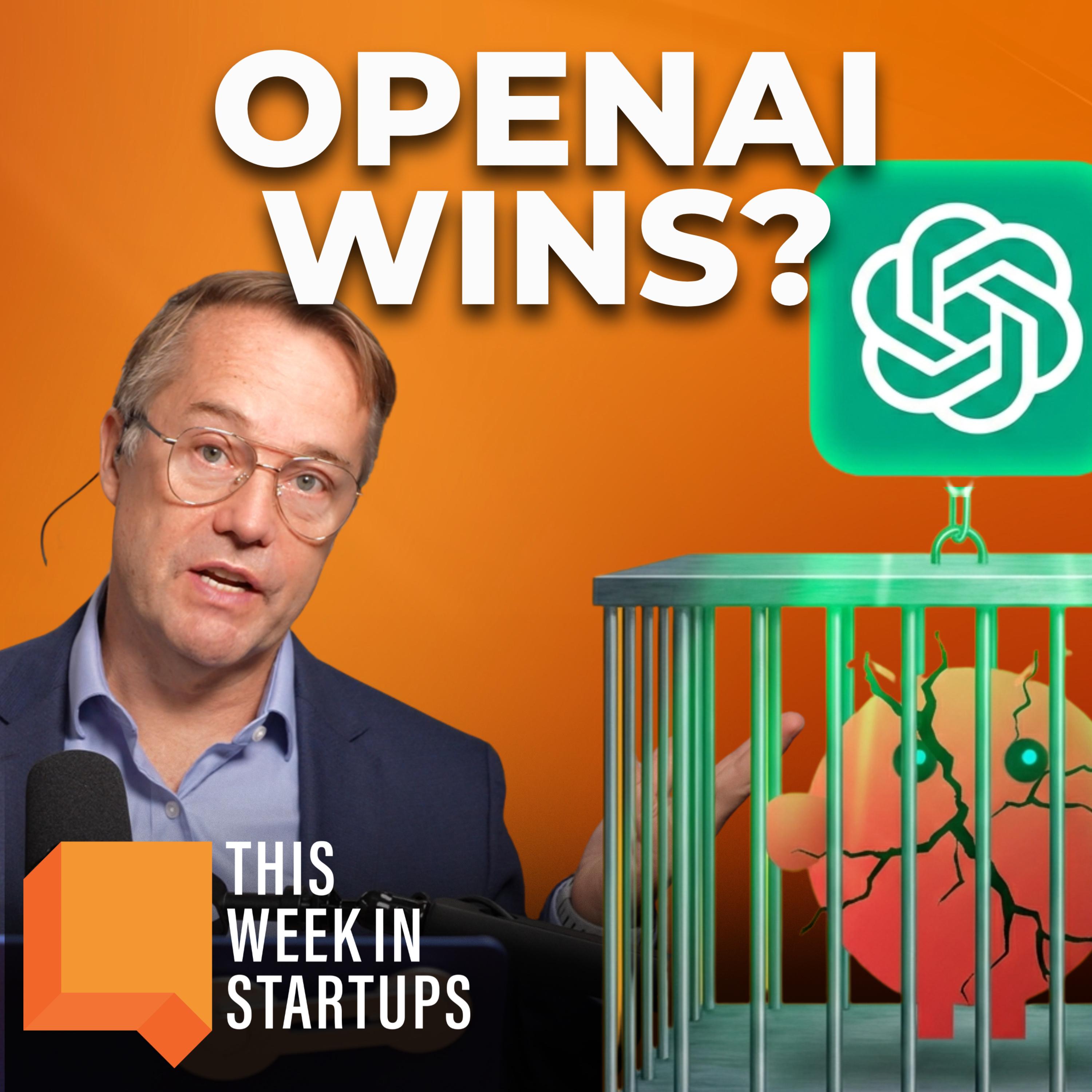
OpenAI is poaching top talent and developing its own hardware, signaling a strategy akin to Bill Gates' Microsoft. The takeaway is that OpenAI will ultimately compete with any partner, using partnerships as a short-term tactic before building or copying their products directly.

A growing movement in the startup community involves not using OpenAI's API. Founders fear OpenAI, in its push for revenue, will release services that directly compete with and kill startups built on its platform, similar to Microsoft's historical "embrace, extend, extinguish" strategy.