Get your free personalized podcast brief
We scan new podcasts and send you the top 5 insights daily.
When rising interest rates became a headwind for its trading business, Robinhood didn't just cut costs and wait. Instead, it proactively launched products like Robinhood Gold and Retirement which were designed to thrive in a high-interest environment, actively adapting to the new market reality.

Related Insights
The end of the zero-interest-rate period compressed lending margins, but it had a silver lining. It forced fintech companies to become 'full-stack' by acquiring bank charters and building significant revenue streams from customer deposits, ultimately making their business models more durable.

While public crises like the GameStop frenzy are intense, they are acute. A prolonged market downturn is a "slow burn" that grinds down morale and tests a leader's resilience over hundreds of days, making it the more difficult challenge.

While Coinbase's stock is tied to volatile crypto prices, Robinhood's shares tripled by diversifying and aggressively launching new products. Its prediction markets, launched in late 2024, capitalized on a favorable regulatory environment and became the company's fastest-growing business line in its history.

Robinhood strategically expanded from a trading-focused, cyclical business into one with 11 revenue lines over $100M each. This pivot to a more diversified, "all-weather" model was a direct response to the risk of rising interest rates and market downturns, ensuring resilience beyond bull markets.
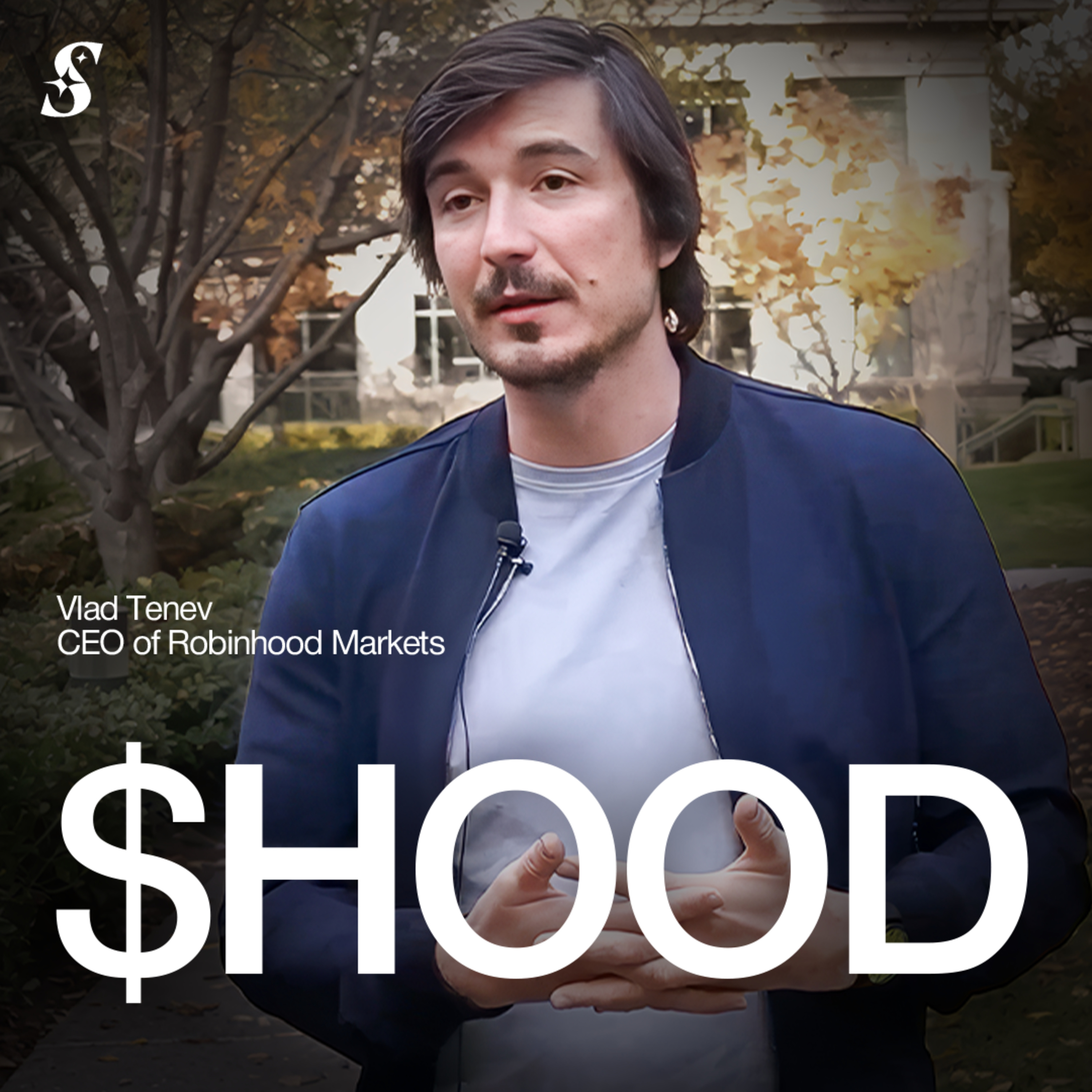
During massive market shifts, many incumbents focus on defending their existing moats. The winning strategy is to play offense: ignore the defensive chatter and aggressively re-platform to capture the new, larger opportunity. This is the moment to take big risks and change everything.

When high mortgage rates slow home sales, Kukun's business thrives by shifting focus to products for homeowners who choose to renovate instead of move. Since homeowners are locked into low rates, they invest in improving their current property. This provides a natural hedge against real estate market cyclicality, turning a headwind into a tailwind.

CEO Vlad Tenev considers 2022 the "refounding" of Robinhood. The business model strategically shifted from catering primarily to first-time investors to focusing on more sophisticated, resilient active traders. This pivot drove a 5x increase in product velocity (from one to five major new products per year) and built a more cycle-agnostic business.
![Robinhood: Mobile First, Margins Later - [Business Breakdowns, EP.233] thumbnail](https://megaphone.imgix.net/podcasts/943e2e96-b60b-11f0-9176-5bf614c23973/image/074f062475dc76689adfc59319a4e04d.jpg?ixlib=rails-4.3.1&max-w=3000&max-h=3000&fit=crop&auto=format,compress)
Businesses should operate in a constant state of "offense"—innovating, seeking new clients, and exploring new services. Being forced into offense because of a defensive situation (like losing a major client) is far less effective and more stressful than proactive growth.

The 2022-2023 market downturn acted as a forcing function for survival. Point solutions like neobanks had to expand into lending or investing to retain users. This culling process resulted in the winners emerging as much more comprehensive, full-fledged financial platforms, not just niche apps.
Betterment founder Jon Stein, who launched during the 2008 crisis, advises that uncertain economic times are ripe for new ventures. Fear reduces competition and can create unique market openings for founders willing to build while others are hesitant.
