Get your free personalized podcast brief
We scan new podcasts and send you the top 5 insights daily.
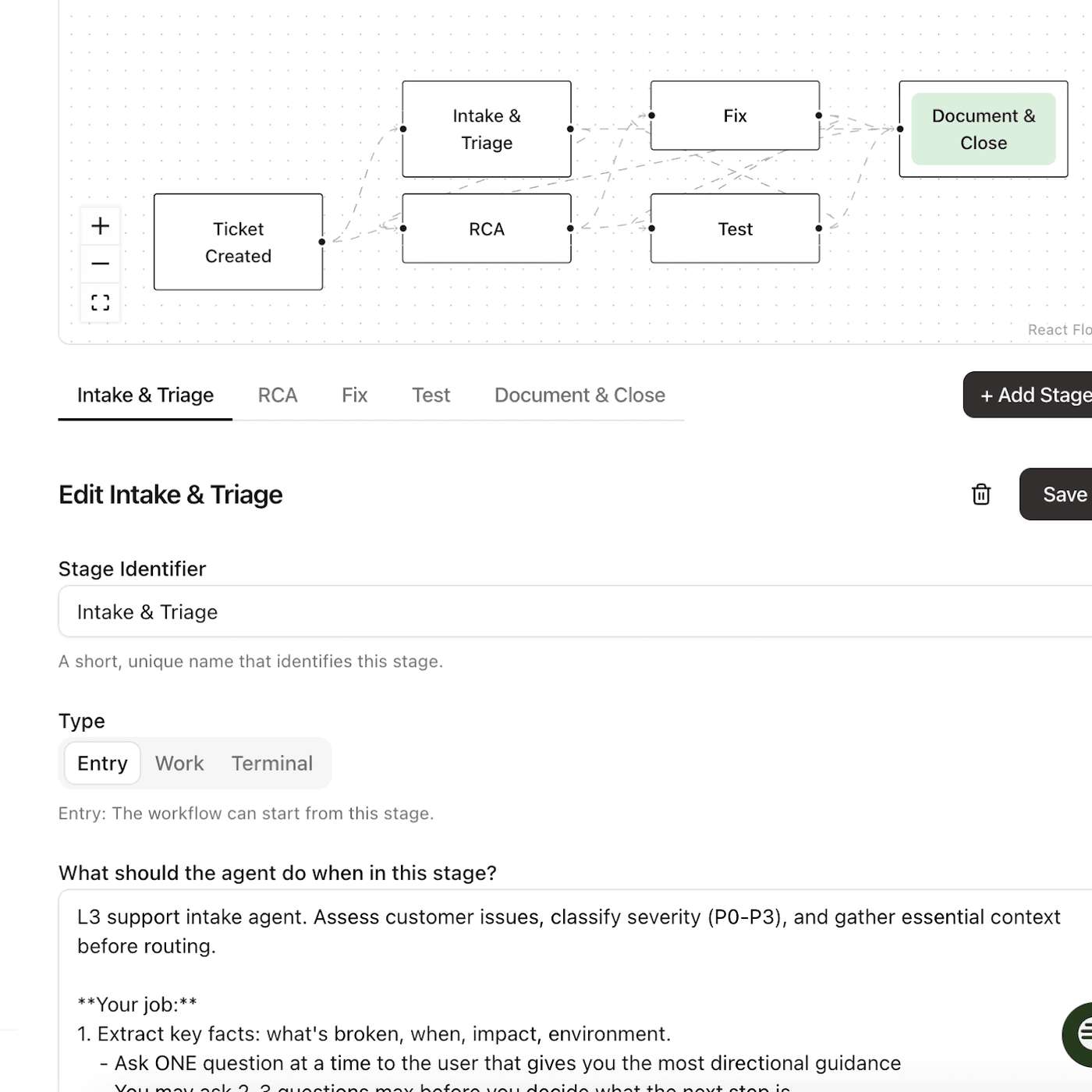
The AI agent's purpose is framed not as a replacement for engineers but as a tool to augment them. Its primary function is to handle the tedious, time-consuming tasks known as 'toil'—initial triage, data gathering, and running basic tests—freeing up senior engineers for high-judgment work that requires human expertise.
Related Insights
AI's current strength lies in enhancing efficiency by handling tasks like summarization and data categorization. It is not suited for big-picture thinking or complex processes. The goal should be to make existing teams more effective—augmenting their abilities rather than pursuing wholesale replacement, which is a common misconception among business leaders.
The common fear of AI eliminating jobs is misguided. In practice, AI automates specific, often administrative, tasks within a role. This allows human workers to offload minutiae and focus on uniquely human skills like relationship building and strategic thinking, ultimately increasing their leverage and value.

Frame internal AI initiatives not as a way to replace employees, but to automate their chores. This frees them to move 'up the stack' to perform higher-value functions like client relations, creative strategy, and founder meetings, ultimately increasing overall output.
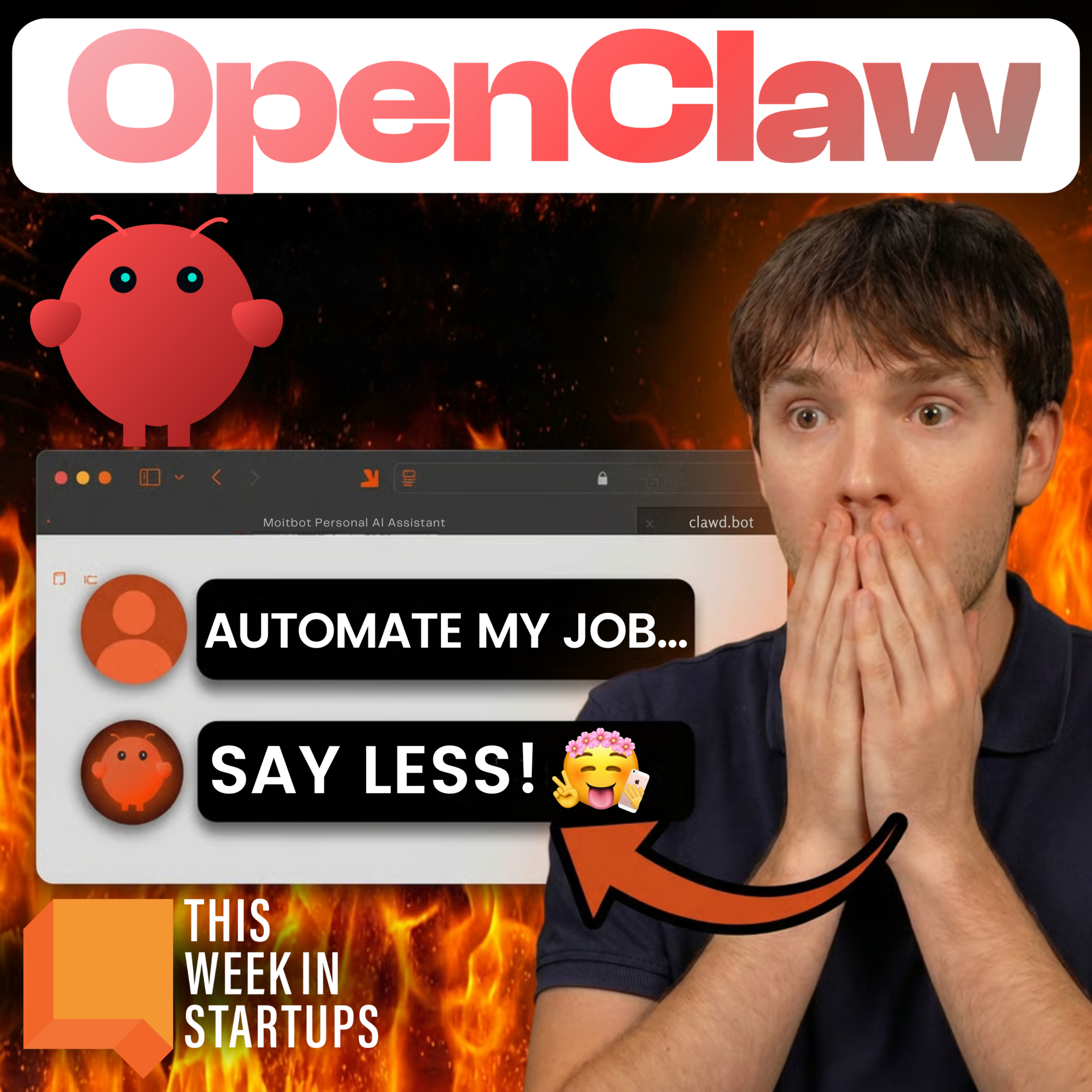
AI coding agents like Claude Code are not just productivity tools; they fundamentally alter workflows by enabling professionals to take on complex engineering or data tasks they previously would have avoided due to time or skill constraints, blurring traditional job role boundaries.

In its current form, AI primarily benefits experts by amplifying their existing knowledge. An expert can provide better prompts due to a richer vocabulary and more effectively verify the output due to deep domain context. It's a tool that makes knowledgeable people more productive, not a replacement for their expertise.

AI coding tools are a massive force multiplier for senior engineers, acting like a team of capable-but-naive graduates. The engineer's role shifts to high-level architecture and course-correction, enabling them to build, ship, and maintain entire products without hiring a team.

AI tools are most readily adopted for tedious tasks engineers dislike, such as performing code reviews, fixing lint errors, and managing CI processes. This automation makes the core job of an engineer more focused on creative, high-impact work, thereby increasing job satisfaction.

AI coding agents are not a replacement for experience but an amplifier. Senior engineers can leverage their deep knowledge and sophisticated vocabulary to direct agents with high precision, making them more effective than ever. This requires 'every inch' of their accumulated experience to manage complex parallel tasks.

Experienced engineers using tools like Claude Code are no longer writing significant amounts of code. Their primary role shifts to designing systems, defining tasks, and managing a team of AI agents that perform the actual implementation, fundamentally changing the software development workflow.

The most powerful current use case for enterprise AI involves the system acting as an intelligent assistant. It synthesizes complex information and suggests actions, but a human remains in the loop to validate the final plan and carry out the action, combining AI speed with human judgment.
