Get your free personalized podcast brief
We scan new podcasts and send you the top 5 insights daily.
The founder reveals that developing a reliable system to feed paper and variably-thick envelopes was a multi-year challenge, even harder than building the writing robot itself. This highlights how seemingly mundane operational details, not the core technology, can be the biggest barrier to scaling a physical product business.

Related Insights
The founders initially feared their data collection hardware would be easily copied. However, they discovered the true challenge and defensible moat lay in scaling the full-stack system—integrating hardware iterations, data pipelines, and training loops. The unexpected difficulty of this process created a powerful competitive advantage.

The core bottleneck in agile manufacturing isn't the machinery, but the manual creation of work instructions, often done in PowerPoint. This slow, error-prone process prevents rapid iteration and keeps factory workers operating on outdated information. Automating this "atomic unit of information" is critical to creating a robust industrial base.

Product-focused founders often underestimate the difficulty of go-to-market. According to Deliverect's co-founder, building a product is relatively straightforward compared to the challenge of building a distribution engine to get it into customers' hands.

The founders initially focused on building the autonomous aircraft. They soon realized the vehicle was only 15% of the problem's complexity. The real challenge was creating the entire logistics ecosystem around it, from inventory and fulfillment software to new procedures for rural hospitals.
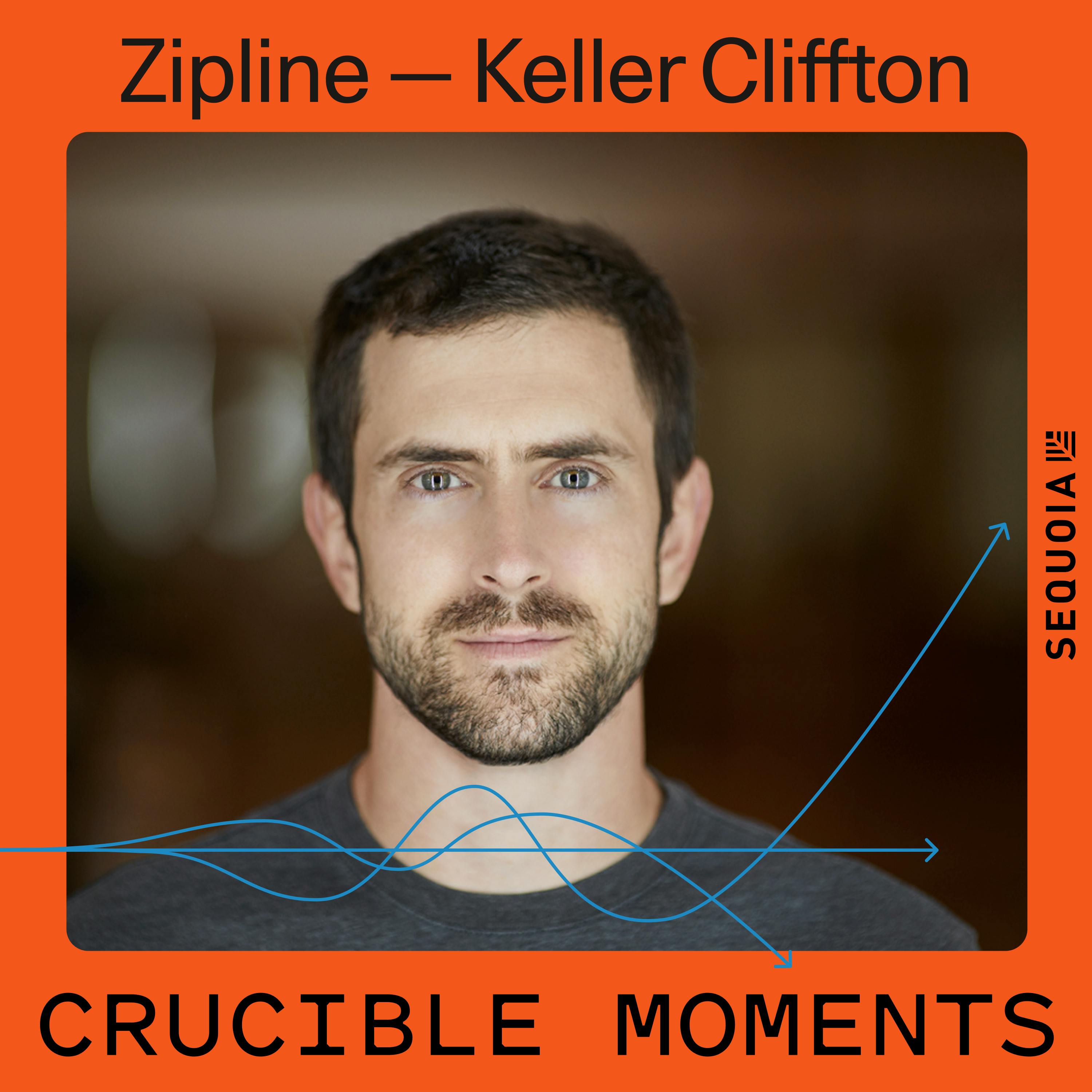
Hardware founders often fixate on the core device. Zipline learned the hard way that their aircraft was only 15% of the total system complexity. The truly difficult challenges lay in the surrounding logistics: inventory management, cold chain, maintenance, air traffic control, and ground infrastructure.

The inventor knew it was time to invest in injection molding when manually assembling 3D-printed prototypes consumed his entire weekends, taking time away from his family. This personal pain point served as the critical business signal that the current process was unsustainable and needed to be scaled.

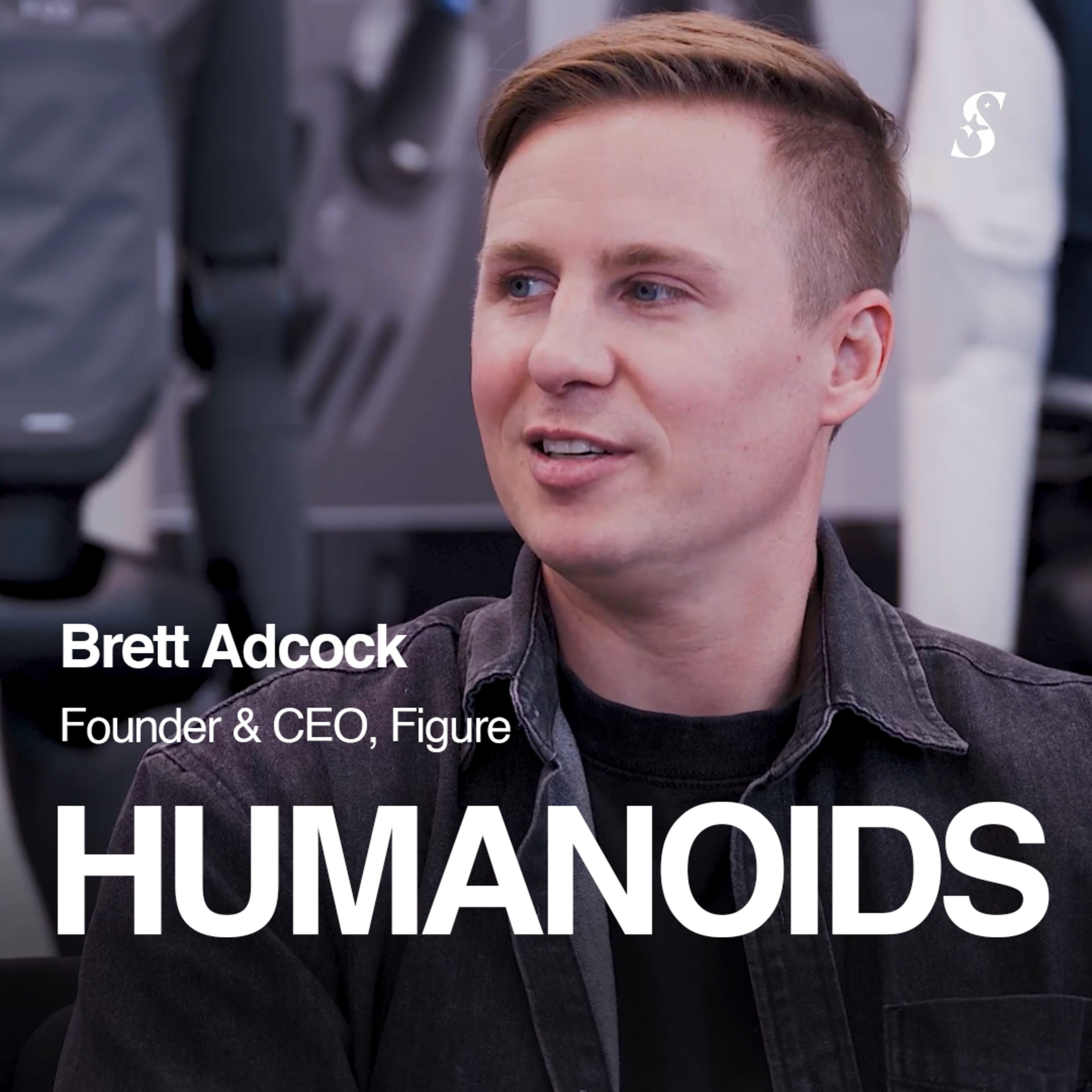
CEO Brett Adcock states Figure has 'overwhelming' commercial demand. The real constraint on growth is ensuring robots can operate reliably at human-level performance. They intentionally limit deployments to avoid a '1,000 robots, 1,000 problems' scenario, prioritizing AI and hardware reliability over rapid sales.
Initially disliking the capital-intensive nature of building 200 custom robots, the founder now sees it as a key defense. Unlike pure software companies vulnerable to AI disruption, his physical infrastructure and operational processes create a significant barrier to entry for new competitors.
Zipline learned the physical drone is a small fraction of the complexity. The majority lies in building auxiliary software, maintenance systems, inventory management, and integrations with civil aviation and healthcare systems to create a reliable logistics service.

Automating science involves solving mundane physical problems. Radical AI had to design custom actuators just to unstick material samples from trays—a task a human does intuitively with a chisel, highlighting the often-overlooked 'last-mile' challenges in robotics.