Get your free personalized podcast brief
We scan new podcasts and send you the top 5 insights daily.
The amount of public drama surrounding a company isn't tied to its size but to its culture. Companies with origins in open, academic environments (like AI labs) produce more "digital exhaust" and public intrigue than secretive, industrial companies like Tesla or Chevron.

Related Insights
An influx of Meta alumni, now 20% of staff, is causing internal friction. A 'move fast' focus on user growth metrics is clashing with the original research-oriented culture that prioritized product quality over pure engagement, as exemplified by former CTO Mira Murati's reported reaction to growth-focused memos.

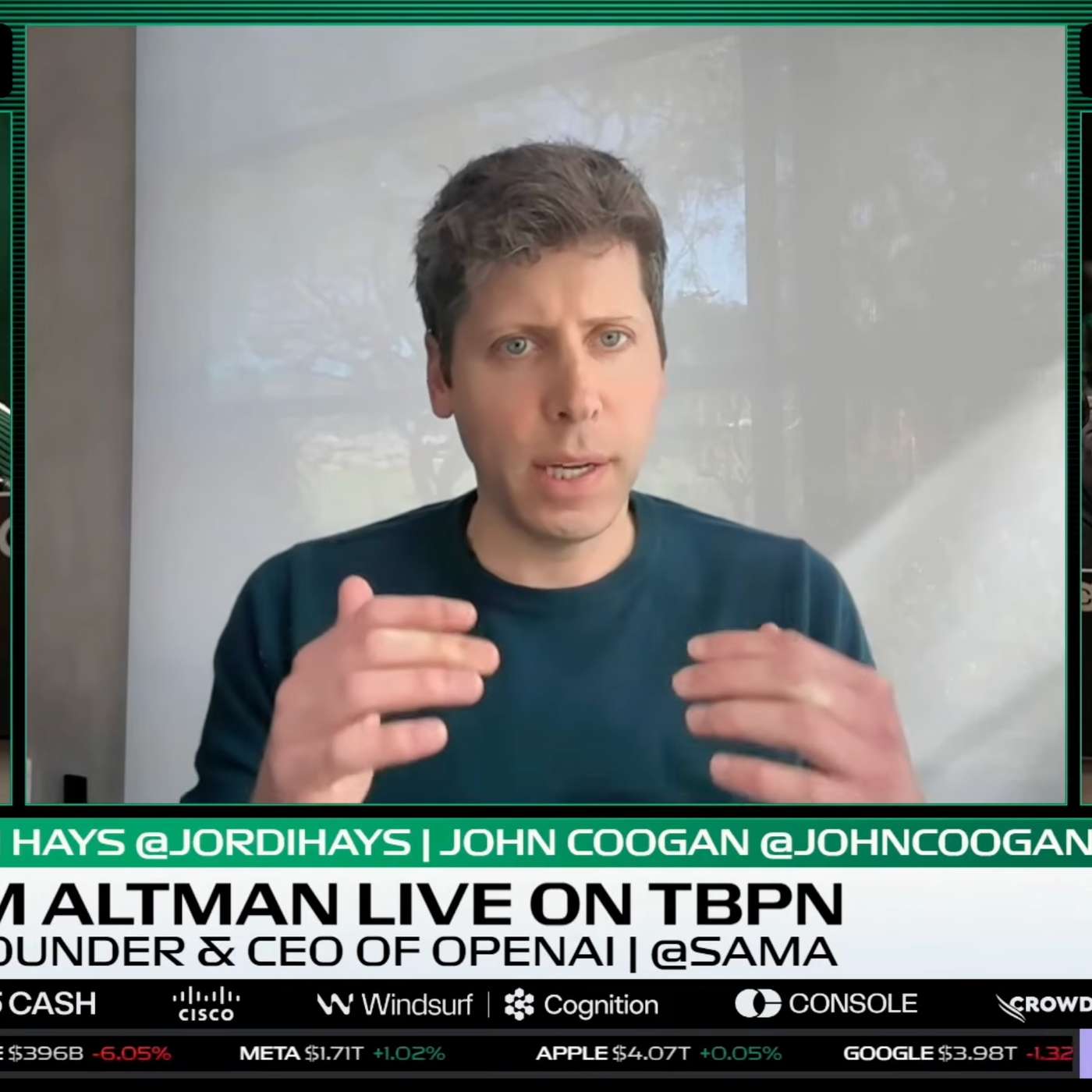
Sam Altman reveals a stark disconnect between the "crazy hurricane" of media perception and the focused internal reality at OpenAI. The team is too busy building to be consumed by external drama, which they often view as being almost completely divorced from reality.
In an era of infinite replicability, startups have two viable paths. They can either operate in stealth with a non-obvious, defensible insight ('a secret incantation'), or tackle an obvious problem and win by completely owning the public narrative. The middle ground is no longer viable.

As OpenAI and Anthropic gear up to go public, the pressure to generate profit is mounting. This shift from pure research to building ad-driven, commercial products creates a culture clash, causing disillusioned engineers who joined for loftier goals to quit.
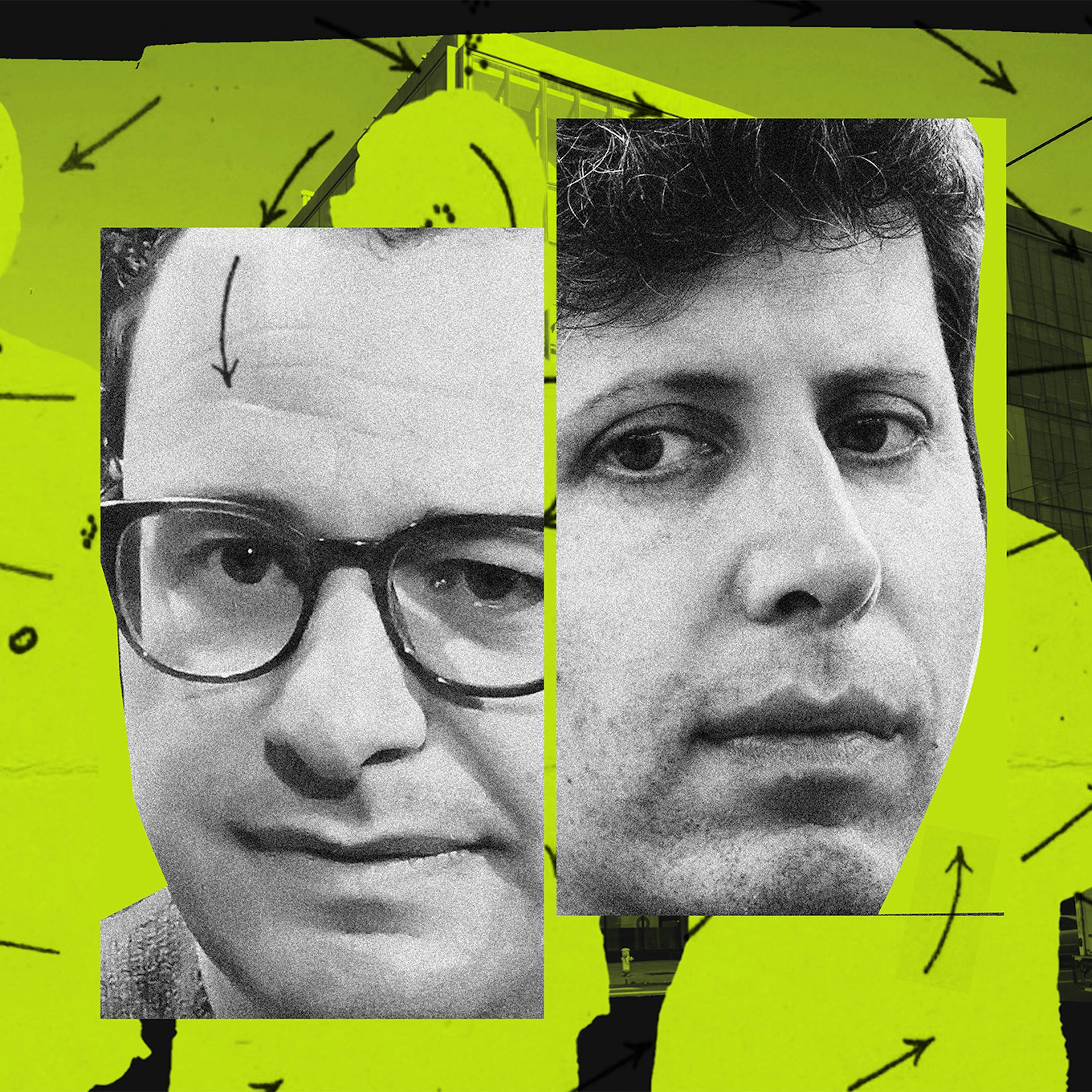
The leak of CEO Dario Amodei's candid internal Slack message marks a pivotal moment for Anthropic's culture. For a company known for its trusting environment, such a breach suggests it is facing the internal pressures of scale and scrutiny, likely forcing it to become more closed-off and corporate—a common startup growing pain.
A strong, mission-aligned culture where employees are 'one tribe' can make it difficult for journalists to get internal leaks. This contrasts with companies experiencing dissension, where leaks are more common, highlighting culture's role in controlling the public narrative.

The "golden era" of big tech AI labs publishing open research is over. As firms realize the immense value of their proprietary models and talent, they are becoming as secretive as trading firms. The culture is shifting toward protecting IP, with top AI researchers even discussing non-competes, once a hallmark of finance.

Whether in old industries like oil or new ones like AI, amassing massive wealth attracts a personality type willing to eliminate threats to protect their power. This dynamic is about the psychology of power itself, not the specific industry a company operates in.

The current market is unique in that a handful of private AI companies like OpenAI have an outsized, direct impact on the valuations of many public companies. This makes it essential for public market investors to deeply understand private market developments to make informed decisions.
An experienced CFO communicating erratically at OpenAI is a symptom of a larger problem. The private market bubble allows companies to become critical to the economy without ever facing the discipline and transparency required of public entities, creating systemic risk.