Get your free personalized podcast brief
We scan new podcasts and send you the top 5 insights daily.
As the first Central Asian country to qualify for the World Cup, Uzbekistan's team represents an entire region. In a nation where criticizing the president is a crime, football provides a rare, unifying refuge for national expression and pride, channeling government investment into a source of soft power.

Related Insights
Soft power is being deployed through culture. U.S. agencies have funded cultural products, like rap music in Bangladesh, with lyrics explicitly 'designed to get people in the streets.' These anthems are used to mobilize disaffected youth and create social division as part of a larger political destabilization strategy.

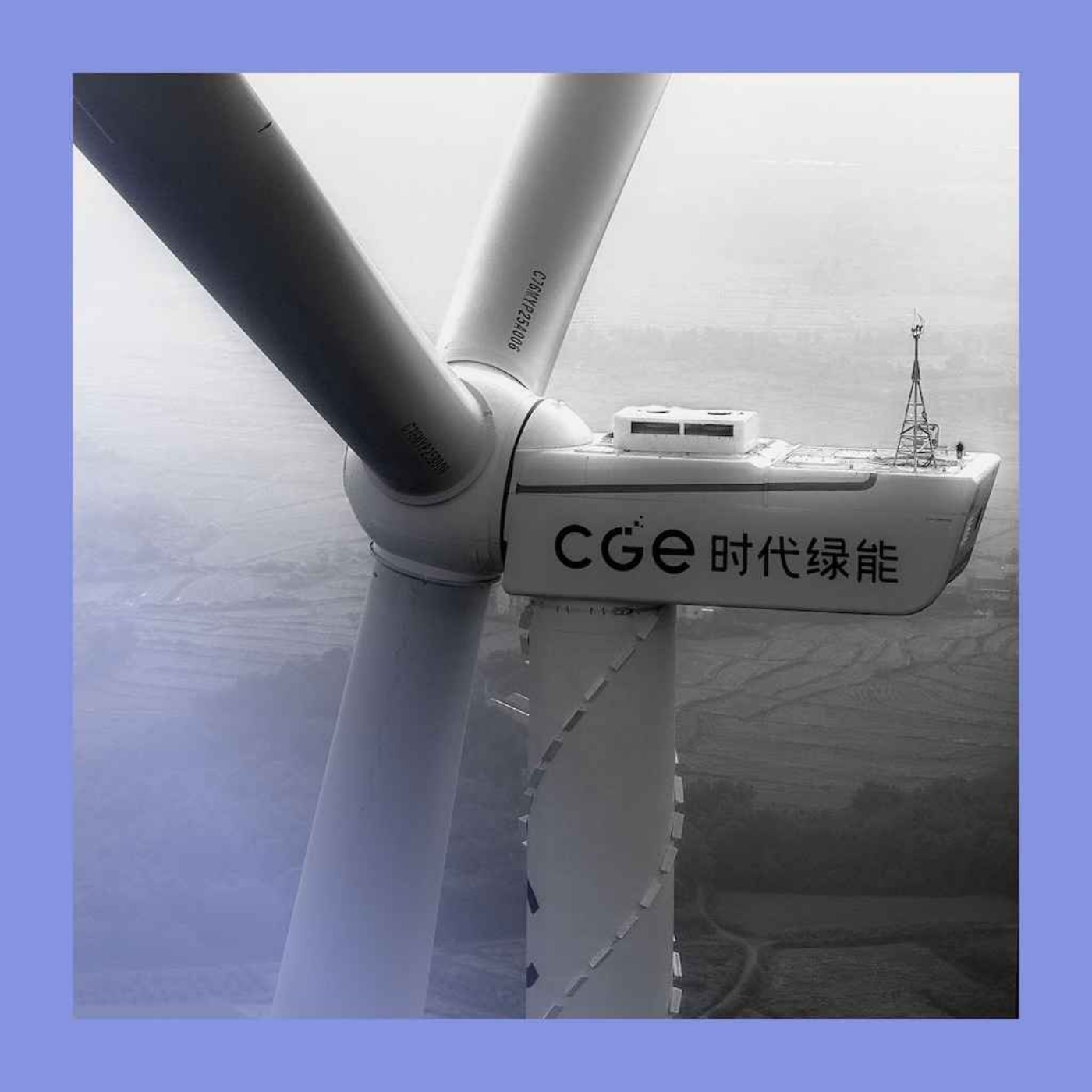
China's promotion of open-weight models is a strategic maneuver to exert global influence. By controlling the underlying models that answer questions about history, borders, and values, a nation can shape global narratives and project soft power, much like Hollywood did for the U.S.

Humans have a natural inclination towards tribalism, which can be destructive. Sports provides a safe and contained framework for these instincts, allowing people to channel their 'us vs. them' mentality into a game with low real-world stakes, fostering community without causing actual harm.

Waving a national flag is a direct political act with serious risks in authoritarian countries. Activists are instead using pop culture symbols, like the pirate flag from the anime 'One Piece', to protest. This makes their message more ambiguous, providing a layer of plausible deniability to dodge censorship and reduce personal risk.
Rebuilding a nation after decades of repressive rule is a monumental task, often taking a decade or more. In the modern era, social media exacerbates the challenge by amplifying divisive voices and making the national consensus required for a stable transition nearly impossible to achieve.

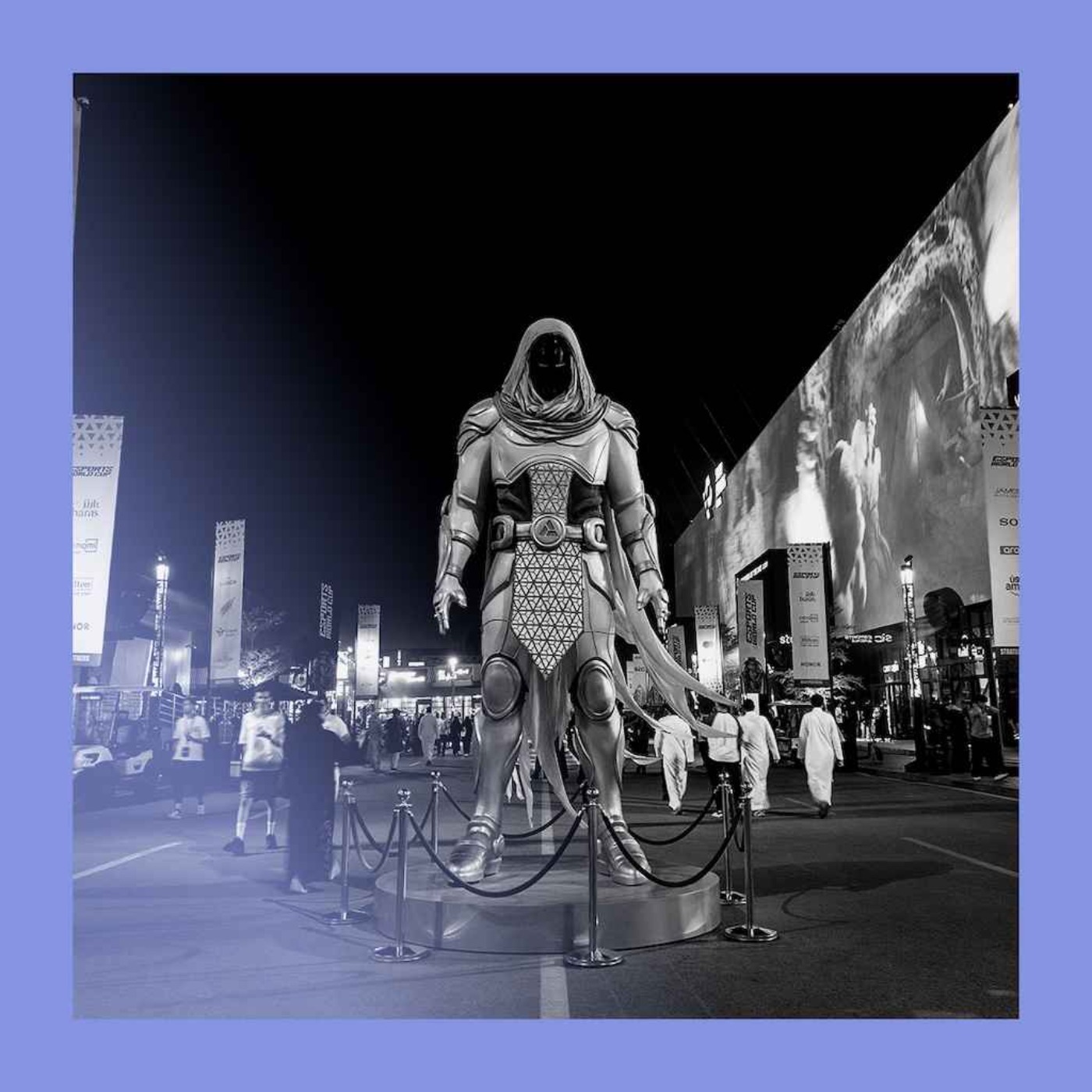
Beyond financial returns and 'game washing,' Saudi Arabia's push into the gaming industry is a long-term soft power strategy. The goal is to create games based on the region's myths and legends, similar to how China successfully exported its culture through games like 'Black Myth Wukong,' thereby shaping its global image.
Chevrolet's surprising dominance in Uzbekistan, where 80% of cars are Chevys, is not due to consumer preference but a historical deal. After the USSR's fall, General Motors took over a local car plant with heavy government subsidies, effectively creating a captive market and making Uzbekistan its #2 market worldwide.

The rapid expansion of museums in China is not just a cultural phenomenon but a calculated government effort. This strategy aims to shape national identity, control historical storytelling, stimulate tourism, and project a curated image of China's heritage and power to a global audience.
The stereotype of footballers giving boring interviews is not due to a lack of personality but is a calculated media tactic. Players are trained to be non-controversial to prevent the press from twisting their words into negative headlines that could motivate opponents or upset fans.

Spain's 2010 World Cup victory was not just a sporting achievement but a deliberate political project. The coach, Vicente del Bosque, used a 'superstar-proof' team-first system to unite players from rival clubs and politically divided regions, aiming to make separatist-leaning Catalans and Basques feel proud to support the national team.