Get your free personalized podcast brief
We scan new podcasts and send you the top 5 insights daily.
Sacerdote describes Fidelity's analyst training as a "huge team, but very individualistic." Analysts learn by pitching ideas to a wide variety of PMs with different styles (value, growth, GARP). This constant, diverse feedback loop organically forces them to discover and hone their own unique investment approach.

Related Insights
Alpine recruits top MBA graduates into a two-year training program where they are mentored by experienced portfolio CEOs. This creates a homegrown, internal pipeline of leaders steeped in the firm's playbook, de-risking future leadership needs and ensuring cultural alignment.

To avoid stifling talent, Sequoia uses 'freedom within frameworks.' It provides guiding principles—shared values and a common value chain (sourcing, picking, winning)—but allows partners total autonomy in their methods. This enables diverse, authentic styles, from deep thematic work to high-volume networking, to coexist effectively.

Instead of traditional classroom training, Stone would take new salespeople on live sales calls. They'd observe him, attempt a pitch themselves, and receive immediate feedback. This rapid, immersive cycle built competence and confidence quickly, even for those without a college degree.

Centerbridge initially sought investors equally skilled in PE and credit, a "switch hitter" model they found unrealistic. They evolved to a "majors and minors" approach, allowing professionals to specialize in one area while gaining significant experience in the other. This fosters deep expertise without sacrificing the firm's integrated strategy.
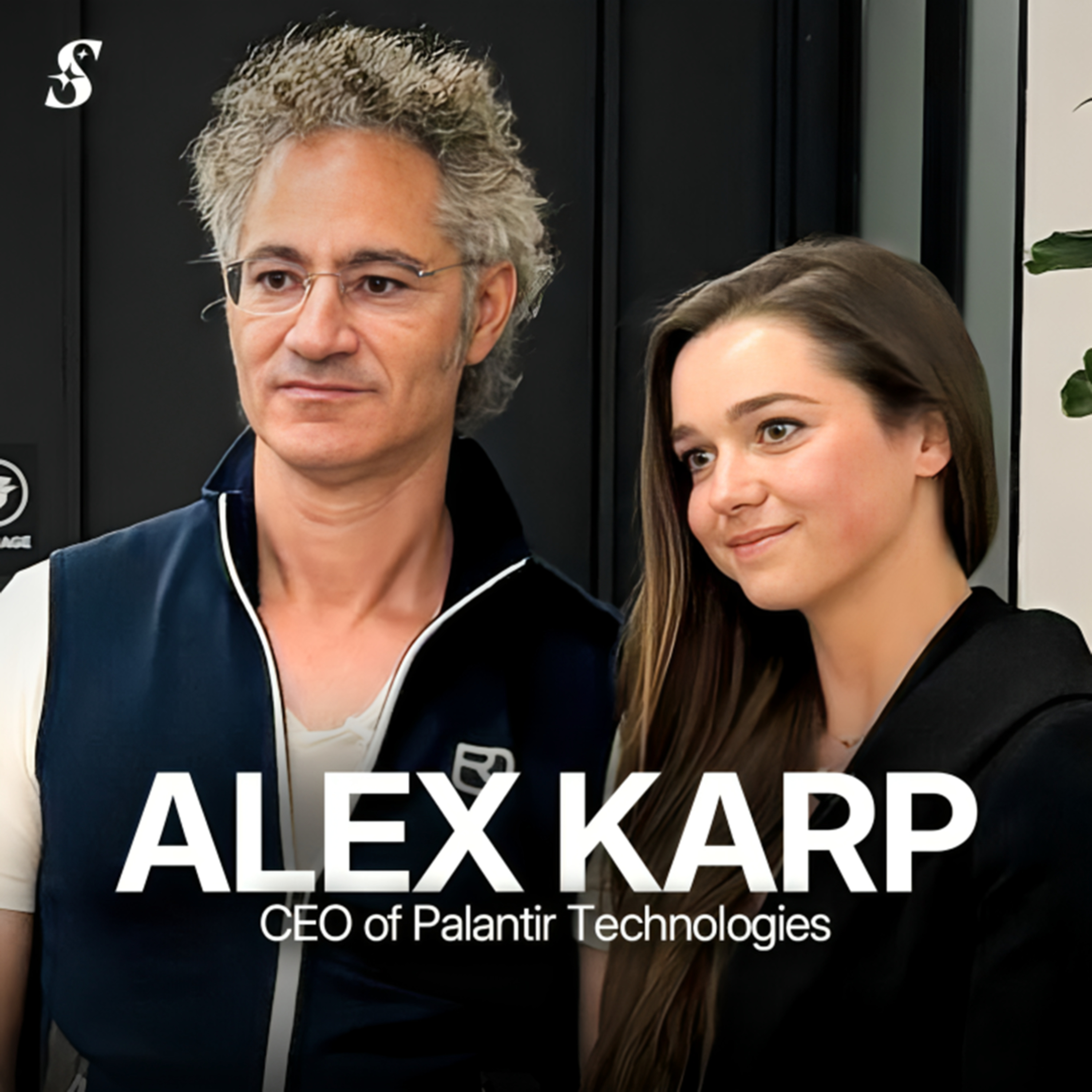
Palantir's success stems from its "anti-playbook" culture. It maintains a flat, meritocratic structure that feels like a startup despite its size. This environment fosters original thinking and rewards those who excel outside of rigid, conventional frameworks, turning traditionally undervalued traits into strengths.
A founder credited his accelerator's grueling schedule—pitching to 20 investors weekly with harsh feedback—as a transformative experience. This intense repetition wasn't just for fundraising; it was a powerful training ground that polished his core sales and communication skills for all future business dealings.

Premira fosters an entrepreneurial culture where even junior employees are encouraged and supported to identify new investment themes, source potential deals, and see them through. This autonomy acts as a powerful retention tool, creating a path to career-defining wins.

Teams can cultivate a shared sense of taste by encouraging constant and rigorous critique of both internal and external work. This process allows the team to self-regulate, learn from each other, and elevate their collective craft without top-down mandates.
Bessemer's investment process favors individual partner conviction over group consensus. A partner can "pound the table" for a deal (the "gold nugget") without the risk of another partner vetoing it (the "blackball" model). This fosters ownership and bold bets, with performance as the ultimate accountability.

When a talented partner is too risk-averse, advice alone fails. The solution is to actively co-pilot their initial risky decisions, saying, 'We're going to invest in that company.' This 'teach by showing' approach gradually builds the courage and comfort level necessary to pursue asymmetric upside independently in the future.