Get your free personalized podcast brief
We scan new podcasts and send you the top 5 insights daily.
An analysis of Marco Rubio's speech suggests a "designated driver" approach to Trump-era foreign policy. While the tone is civil and avoids overt antagonism, the underlying substance—devaluing transatlantic alliances—remains the same, offering little substantive reassurance to European allies.
Related Insights
By threatening to withdraw from NATO, Trump can force allies like Denmark into deals such as the one for Greenland. While this leverage is effective for immediate goals, his unpredictable tactics cause long-term damage to America's international reputation and perceived stability.

The Greenland diplomatic row taught European leaders that their previous strategy of delicate diplomacy was ineffective with the Trump administration. By presenting credible retaliatory threats, they discovered they could achieve their objectives, signaling a major shift in transatlantic diplomatic strategy.
A new US national security document signals a radical foreign policy shift. It explicitly states the US will support "right wing, far right and populist right parties" in Europe that align with its anti-immigration stance, effectively interfering in the domestic politics of allied nations to promote a "MAGA like" Europe.
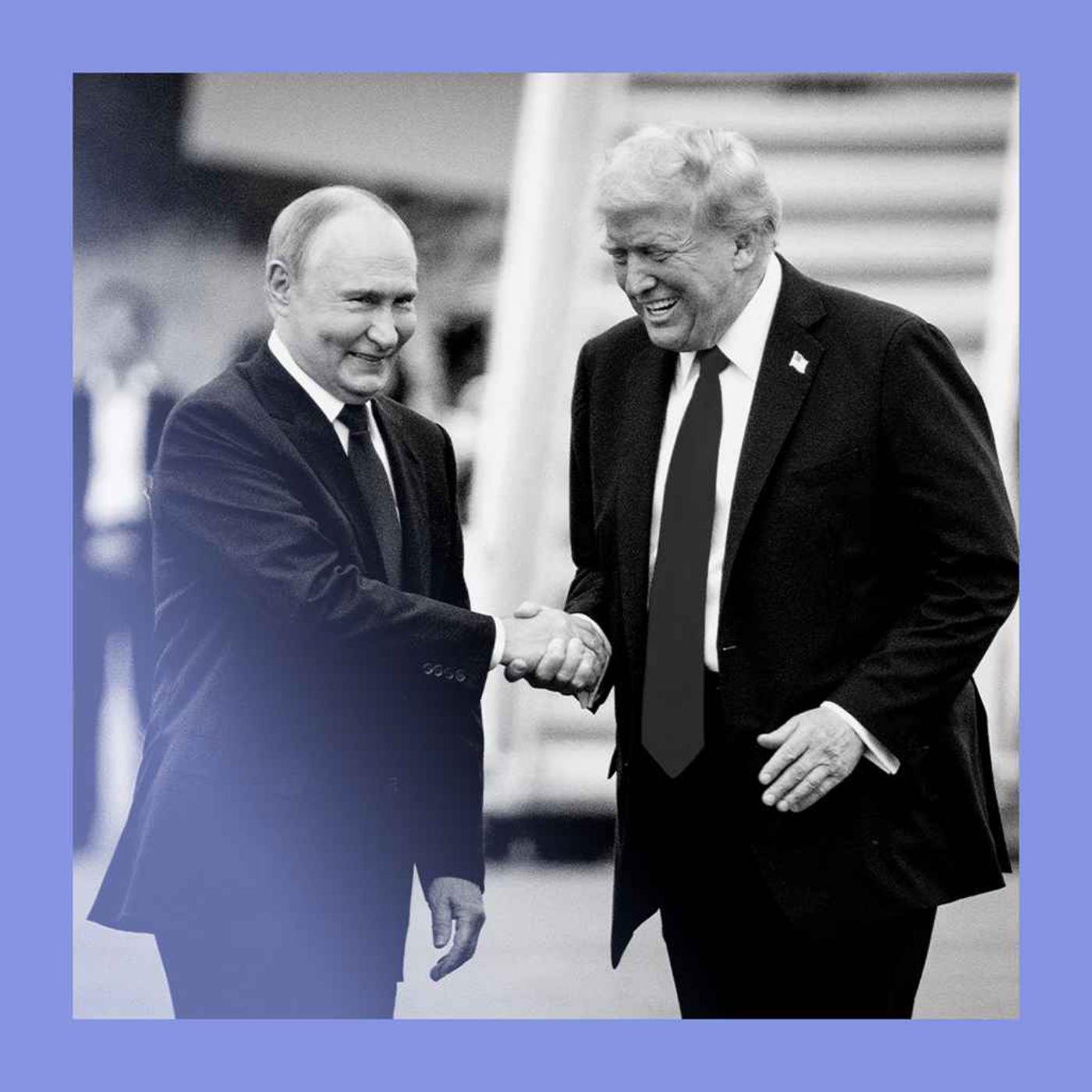
The hosts highlight a profound ideological shift within the Republican party, which has moved from being staunchly anti-Russia to becoming its strongest ally abroad. This transformation, exemplified by Marco Rubio's handling of a Russia-favored peace plan, represents a complete reversal of the party's historical foreign policy stance.

Trump's confrontational stance with allies isn't just chaos; it's a calculated strategy based on the reality that they have nowhere else to go. The U.S. can troll and pressure nations like Canada and European countries, knowing they won't realistically align with China, ultimately forcing them to increase their own defense commitments.

Alexander Stubb posits that recent US foreign policy is uniquely driven by a specific "MAGA" ideology that is fundamentally anti-international order and condescending towards liberal Europe. Understanding this ideological root, beyond just transactional policy, is crucial for allies navigating the relationship with Washington.

Marco Rubio articulated Trump's foreign policy as a 'spheres of influence' model, a modern Monroe Doctrine. This framework cedes global leadership, envisioning a world where the U.S. controls the West, Russia controls its territory and Europe, and China controls Asia. This marks a fundamental shift from America's post-WWII role as a global superpower to a regional one.

Europe faces a dual threat: an aggressive Russia waging hybrid warfare on its eastern flank, and a Trump-led America that actively prefers a fragmented, weaker Europe. A disunified EU allows the U.S. to cut more favorable bilateral deals, leaving Europe vulnerable from both sides without its traditional transatlantic security guarantee.
Even though President Trump backed down on tariffs over Greenland, the episode permanently eroded European trust in the U.S. as a reliable NATO partner. The erratic nature of the dispute raised serious questions about American dependability on more critical issues like Ukraine, suggesting long-term damage to the alliance.
The administration's aggressive, unilateral actions are pushing European nations toward strategic autonomy rather than cooperation. This alienates key partners and fundamentally undermines the 'Allied Scale' strategy of building a collective economic bloc to counter adversaries like China.
