Get your free personalized podcast brief
We scan new podcasts and send you the top 5 insights daily.
Bond vigilantes are seeking a target to punish for fiscal irresponsibility. While the US and France have worse debt profiles, they are shielded by the dollar's reserve status and the Eurozone, respectively. The UK, lacking these protections, is the 'weakest kid in the playground' and most likely to face a market reckoning.

Related Insights
Since the pandemic, the influence of global markets on the UK has intensified. Approximately half of the movements in the UK's government bond (gilt) yield curve are now driven by external factors, primarily from the U.S. and Eurozone, up from one-third pre-pandemic.
Politicians will continue running large deficits as long as the bond market tolerates it by keeping interest rates low. The ultimate correcting mechanism for government spending isn't political discipline, but the bond market's impersonal decision to raise rates, forcing fiscal responsibility.

A country's fiscal health is becoming a primary driver of its currency's value, at times overriding central bank actions. Currencies like the British Pound face a "fiscal risk premium" due to borrowing concerns, while the Swedish Krona benefits from a positive budget outlook. This creates a clear divergence between fiscal "haves" and "have-nots."

Increased political noise around a potential leadership challenge for the UK Prime Minister is creating a risk premium in the market. A poor performance by the Labour party in a specific upcoming by-election could accelerate this challenge, leading to further underperformance of UK gilt yields versus German bunds.
A modest sell-off in UK gilts, triggered by news of a potential parliamentary path for a mayoral challenger, is not about the event itself. Instead, it signals the market's deep-seated nervousness about the UK's fiscal stability, presenting a tactical opportunity to fade the overblown risk premium.
UK Sterling weakened despite news that personal income tax hikes might be avoided in the upcoming budget. This counterintuitive reaction, paired with rising Gilt yields, signals that investors are more concerned about the government's fiscal discipline and policy uncertainty than they are optimistic about potential short-term stimulus.
Sterling's reaction to potential UK budget options is "any news is bad news." Even less-damaging proposals cause weakness because the market understands any policy will result in fiscal tightening, forcing the Bank of England to react dovishly.
The UK bond market's muted reaction to the recent budget is not a sign of success. Unlike a previous disastrous budget, this one contained no surprises. Success should be measured by long-term growth potential, not just the avoidance of immediate market panic, setting a very low bar for achievement.
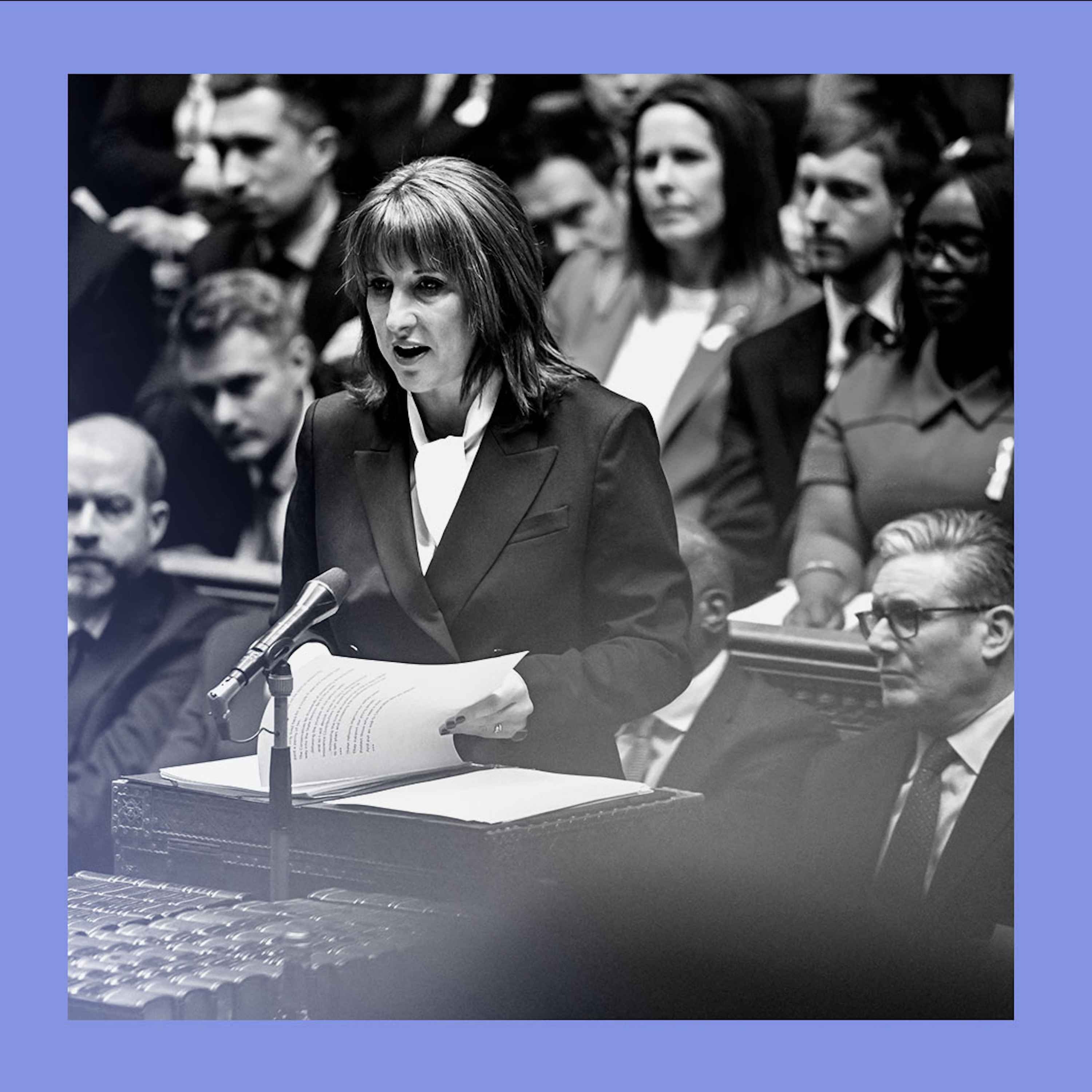
UK markets have strongly priced in a specific budget result: significant income tax hikes and a major rebuild of fiscal headroom. This creates a risk that any deviation or a less aggressive fiscal consolidation could surprise investors and cause curve steepening.
The 2022 UK "mini-budget" crisis serves as a stark example of market power. When the government proposed unfunded tax cuts, the bond market reacted instantly and violently, forcing a rapid policy U-turn. This proves that bond markets serve as a powerful disciplinary force against governments pursuing unsustainable fiscal policies.