Get your free personalized podcast brief
We scan new podcasts and send you the top 5 insights daily.
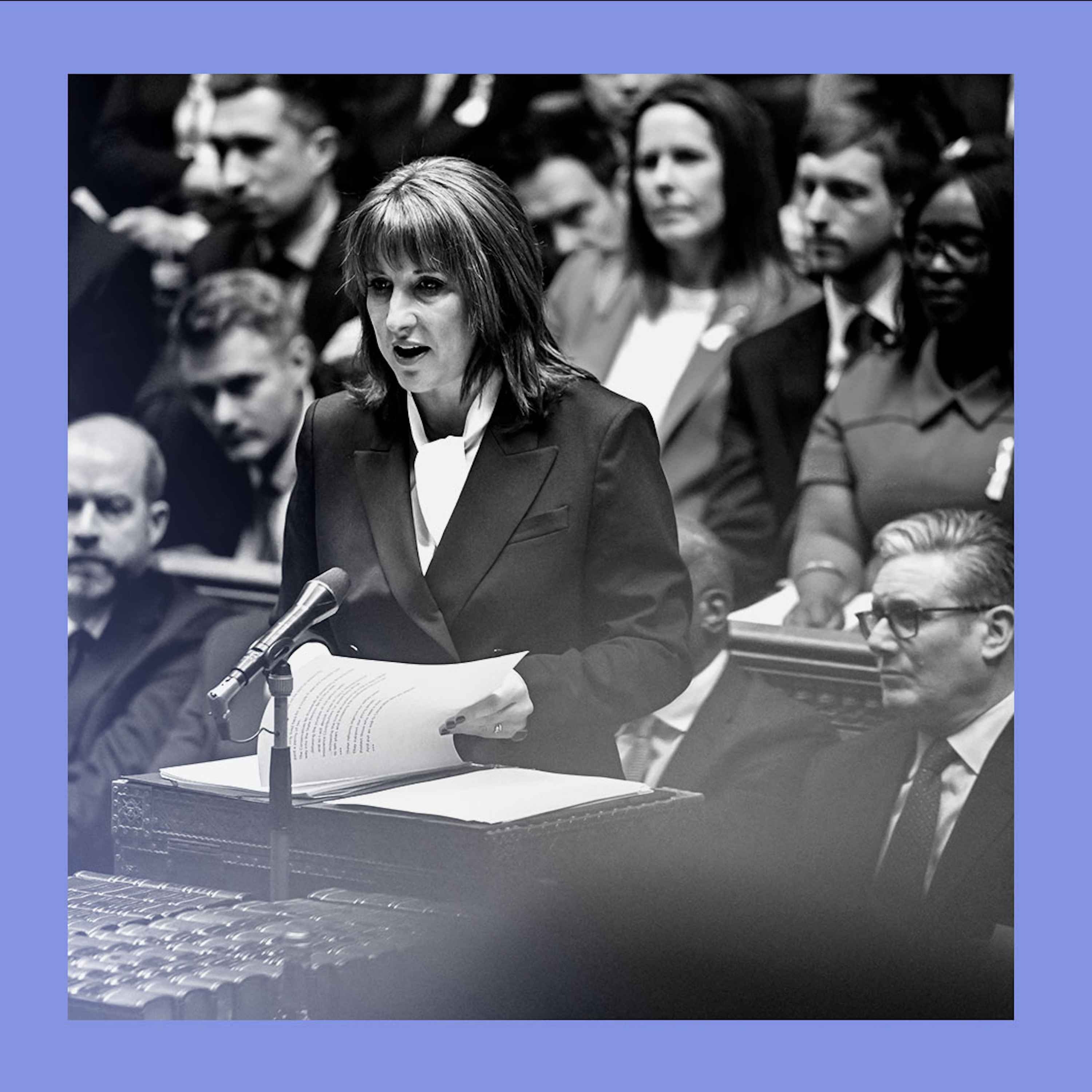
The UK bond market's muted reaction to the recent budget is not a sign of success. Unlike a previous disastrous budget, this one contained no surprises. Success should be measured by long-term growth potential, not just the avoidance of immediate market panic, setting a very low bar for achievement.
Related Insights
A country's fiscal health is becoming a primary driver of its currency's value, at times overriding central bank actions. Currencies like the British Pound face a "fiscal risk premium" due to borrowing concerns, while the Swedish Krona benefits from a positive budget outlook. This creates a clear divergence between fiscal "haves" and "have-nots."

UK Sterling weakened despite news that personal income tax hikes might be avoided in the upcoming budget. This counterintuitive reaction, paired with rising Gilt yields, signals that investors are more concerned about the government's fiscal discipline and policy uncertainty than they are optimistic about potential short-term stimulus.
Despite strong UK retail sales and PMI data, the British Pound has weakened. This indicates that the market's focus has completely shifted away from cyclical data and towards the upcoming government budget. Concerns about potential tax hikes are adding a risk premium to the currency, overriding positive economic news.
Sterling's reaction to potential UK budget options is "any news is bad news." Even less-damaging proposals cause weakness because the market understands any policy will result in fiscal tightening, forcing the Bank of England to react dovishly.
Despite accurately identifying severe economic and social challenges facing Britain, Keir Starmer's Labour government has proposed policies considered too small and shallow. There is a significant mismatch between the gravity of his diagnosis and the scale of his proposed solutions, leading to criticism that his administration is not meeting the moment.

Policymakers can maintain market stability as long as inflation volatility remains low, even if the absolute level is above target. A spike in CPI volatility is the true signal that breaks the system, forces a policy response, and makes long-term macro views suddenly relevant.

Politicians choose rate cuts because balancing the budget is politically unpopular and would trigger an immediate economic crisis. By lowering rates, they can "kick the can down the road," making massive government debt refinancing manageable. This intentionally fuels an "everything bubble" in assets as a preferable alternative to politically unpalatable fiscal responsibility.

Canadian bond yields fell after the budget announcement, indicating the market had priced in a "risk premium" for a much larger fiscal stimulus package. The actual deficit, while large, fell short of these aggressive expectations, preventing further currency weakness.
UK markets have strongly priced in a specific budget result: significant income tax hikes and a major rebuild of fiscal headroom. This creates a risk that any deviation or a less aggressive fiscal consolidation could surprise investors and cause curve steepening.
Despite market expectations and sensitivity around long-duration supply, the BOE unexpectedly continued sales of long-end gilts. While the size is small, this confusing signal about its response to supply-demand dynamics caused the long end of the curve to steepen.