Get your free personalized podcast brief
We scan new podcasts and send you the top 5 insights daily.
A modest sell-off in UK gilts, triggered by news of a potential parliamentary path for a mayoral challenger, is not about the event itself. Instead, it signals the market's deep-seated nervousness about the UK's fiscal stability, presenting a tactical opportunity to fade the overblown risk premium.

Related Insights
A country's fiscal health is becoming a primary driver of its currency's value, at times overriding central bank actions. Currencies like the British Pound face a "fiscal risk premium" due to borrowing concerns, while the Swedish Krona benefits from a positive budget outlook. This creates a clear divergence between fiscal "haves" and "have-nots."
Despite recent concerns about private credit quality, the most rapid and substantial growth in debt since the GFC has occurred in the government sector. This makes the government bond market, not private credit, the most likely source of a future systemic crisis, especially in a rising rate environment.

UK Sterling weakened despite news that personal income tax hikes might be avoided in the upcoming budget. This counterintuitive reaction, paired with rising Gilt yields, signals that investors are more concerned about the government's fiscal discipline and policy uncertainty than they are optimistic about potential short-term stimulus.
Despite strong UK retail sales and PMI data, the British Pound has weakened. This indicates that the market's focus has completely shifted away from cyclical data and towards the upcoming government budget. Concerns about potential tax hikes are adding a risk premium to the currency, overriding positive economic news.
Sterling's reaction to potential UK budget options is "any news is bad news." Even less-damaging proposals cause weakness because the market understands any policy will result in fiscal tightening, forcing the Bank of England to react dovishly.
Deteriorating debt fundamentals are a known long-term risk, but markets often remain complacent until a specific political event, like an election or leadership change, acts as a trigger. These upheavals force an immediate re-evaluation of what is sustainable, transforming abstract fiscal worries into concrete, costly market volatility.

The UK bond market's muted reaction to the recent budget is not a sign of success. Unlike a previous disastrous budget, this one contained no surprises. Success should be measured by long-term growth potential, not just the avoidance of immediate market panic, setting a very low bar for achievement.
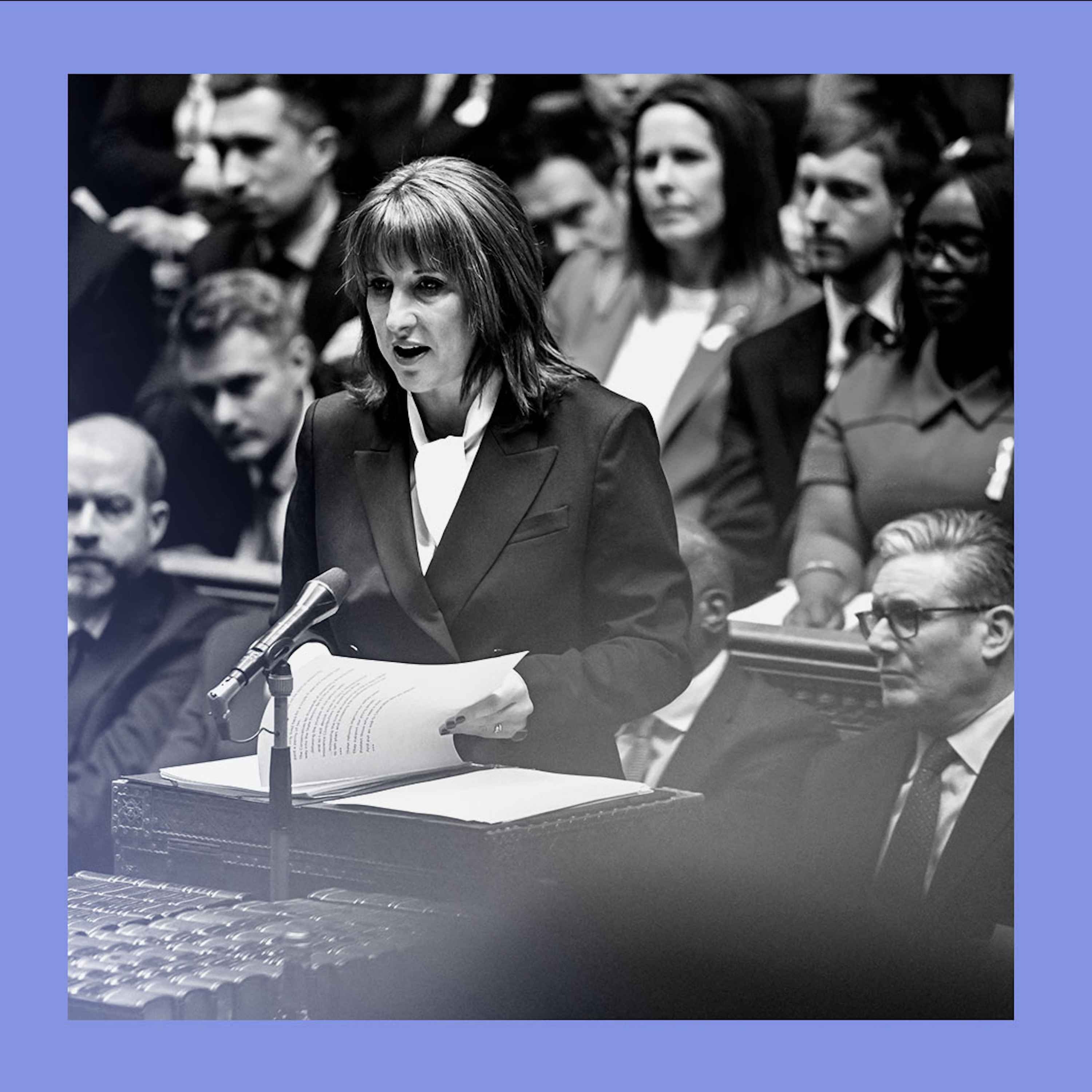
UK markets have strongly priced in a specific budget result: significant income tax hikes and a major rebuild of fiscal headroom. This creates a risk that any deviation or a less aggressive fiscal consolidation could surprise investors and cause curve steepening.
The 2022 UK "mini-budget" crisis serves as a stark example of market power. When the government proposed unfunded tax cuts, the bond market reacted instantly and violently, forcing a rapid policy U-turn. This proves that bond markets serve as a powerful disciplinary force against governments pursuing unsustainable fiscal policies.
Despite market expectations and sensitivity around long-duration supply, the BOE unexpectedly continued sales of long-end gilts. While the size is small, this confusing signal about its response to supply-demand dynamics caused the long end of the curve to steepen.