Get your free personalized podcast brief
We scan new podcasts and send you the top 5 insights daily.
Open-source projects that go viral, like OpenClaw, enter an "impossible situation." Users demand new security features, but the required software updates break existing setups, leading to complaints. This creates a difficult balancing act between progress and stability for under-resourced maintainers.

Related Insights
Freezing all open-source contributions would not maintain the status quo; it would lead to a decline. The ecosystem requires continuous maintenance to address unknown bugs and security vulnerabilities, without which the quality and safety of all dependent software would degrade over time.

The core open-source belief that enough human experts will find all bugs is invalidated by AI discovering decades-old vulnerabilities in widely scrutinized code. This proves that high-level machine analysis is now essential for security, as human review alone is insufficient.

Will Falcon open-sourced PyTorch Lightning to accelerate his own research. However, its rapid adoption forced him to spend nights merging pull requests and adding features for the community, ironically slowing his PhD progress to the point he nearly shut the project down. This serves as a cautionary tale for aspiring creators.

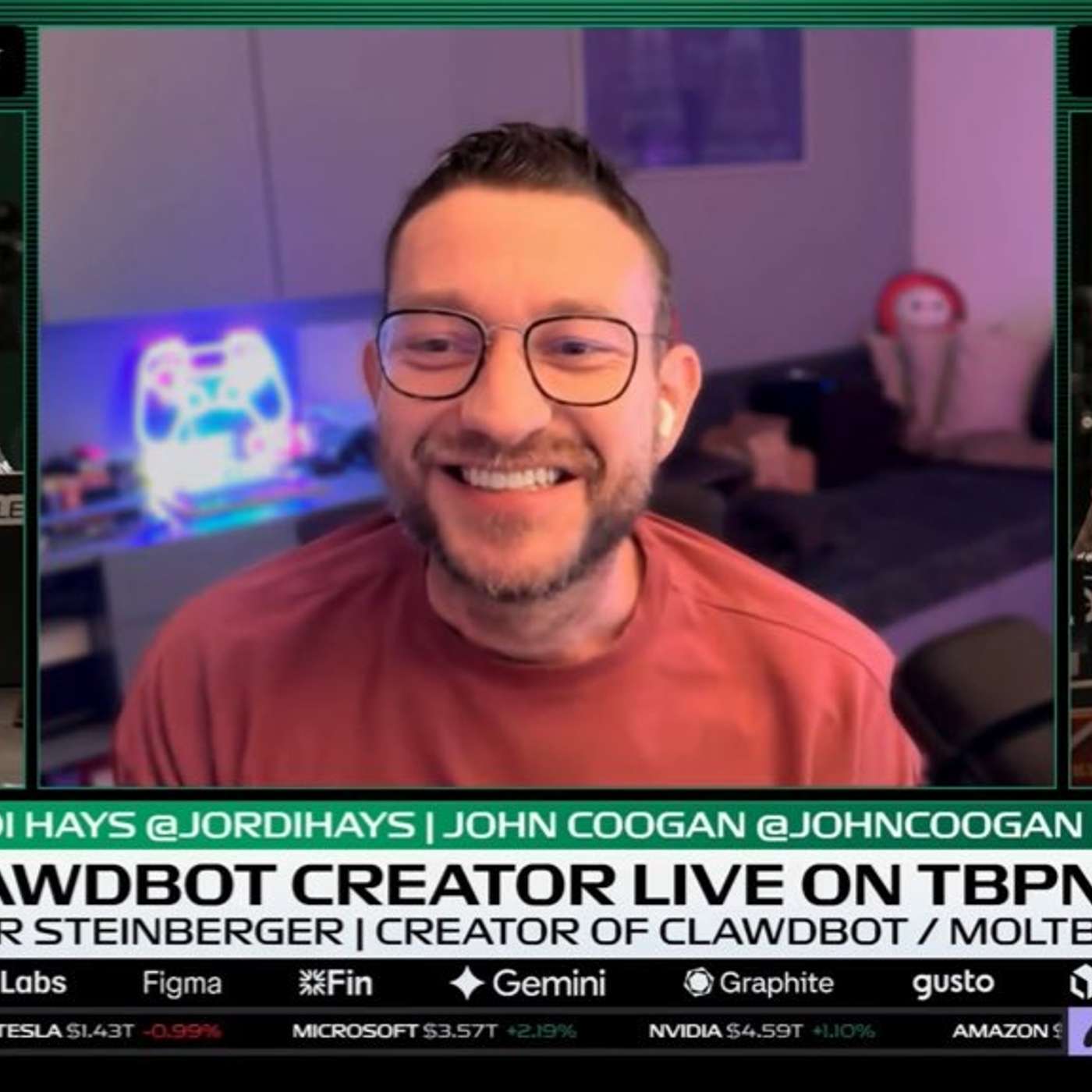
A personal project built for trusted environments can become a major security liability when it goes viral. Moltbot's creator now faces a barrage of security reports for unintended uses, like public-facing web apps. This highlights a critical, often overlooked challenge for solo open-source maintainers.
Despite the viral trend of buying Mac Minis for OpenClaw, real-world use is often disappointing. The setup is complex, performance on tasks like browser automation is fragile, and for core use cases like remote coding, existing tools are often superior, highlighting a current chasm between hype and value.

Tencent's strategy of building multiple products on the open-source OpenClaw framework backfired when a weekend update to the core software broke its applications. This incident highlights the operational risk for large companies that become heavily dependent on external, open-source projects they don't control, forcing them into reactive crisis management.
When a project like OpenClaw explodes in popularity, a small group of "maintainers" acts as editorial gatekeepers. They manage thousands of pull requests by prioritizing stability and security updates above all else, ensuring the core project remains robust before adding new features.

For an open-source project like OpenClaw, having corporations like Anthropic adopt its features or create similar products is a form of validation. Rather than being a pure competitive threat, it demonstrates the project's influence and cements its ideas within the wider industry, proving its value.
Open-source AI projects have a fundamental disadvantage against closed-source rivals. Companies like Anthropic can freely examine OpenClaw's code and adopt its best features, while OpenClaw cannot see inside Anthropic's proprietary models. This one-way information flow creates a strategic challenge for open-source sustainability.
Moltbot's creator highlights a key challenge: viral success transforms a fun personal project into an overwhelming public utility. The creator is suddenly bombarded with support requests, security reports, and feature demands from users with different use cases, forcing a shift from solo hacking to community-led maintenance or a foundation.
