Get your free personalized podcast brief
We scan new podcasts and send you the top 5 insights daily.
Starlink's ability to grant or revoke its service in a conflict zone directly impacts a military's command and control. By changing its policies, Starlink single-handedly gutted Russia's battlefield communications, demonstrating how private firms now control critical levers of war.

Related Insights
The Russia-Ukraine conflict demonstrates that the first move in modern warfare is often a cyberattack to disable critical systems like logistics and communication. This is a low-cost, high-impact method to immobilize an adversary before physical engagement.

While drones get the headlines, operators on the front lines in Ukraine identified Starlink as the most critical technology. This reveals that the foundational layer for future conflict is resilient, decentralized communication, which enables all other advanced systems to function in contested environments.

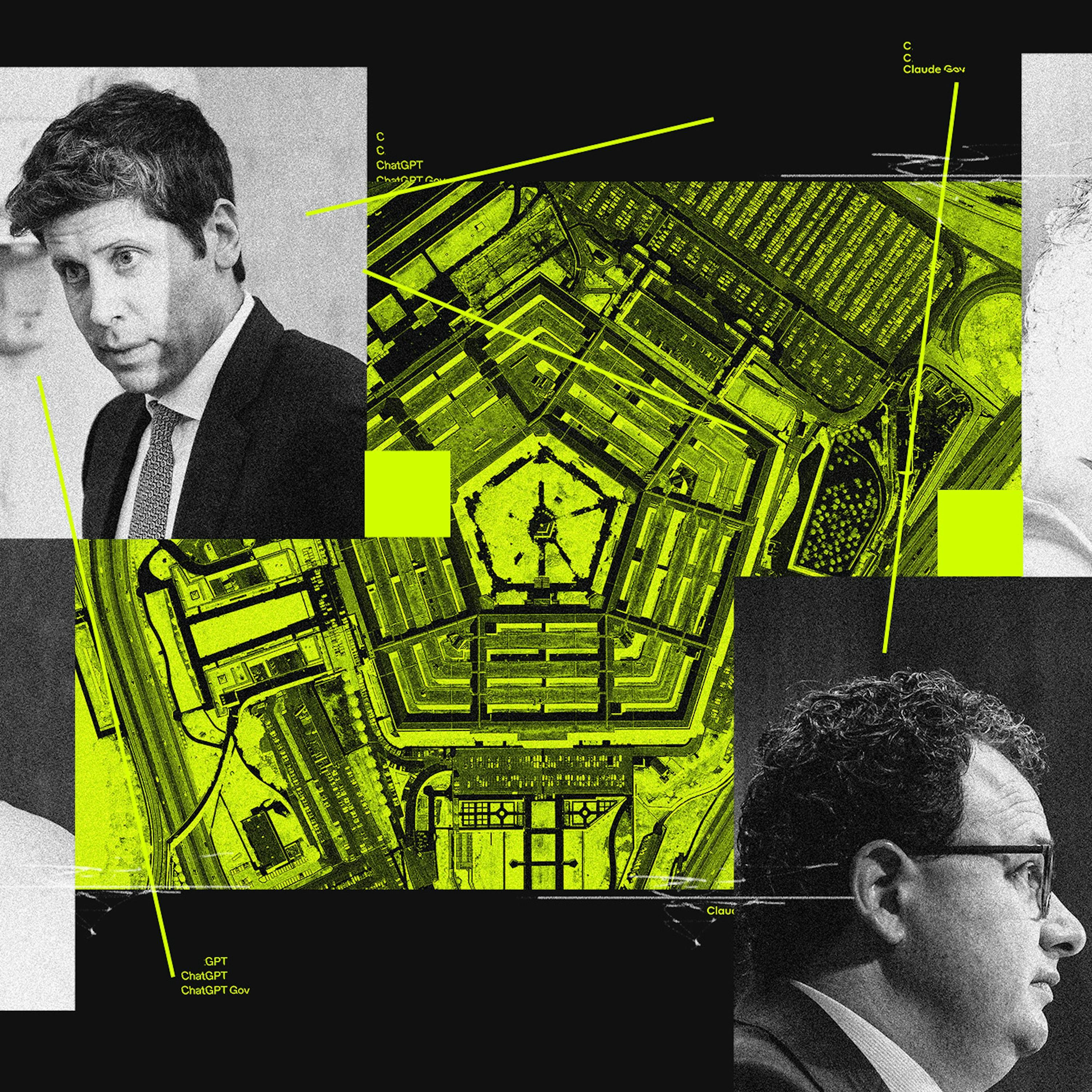
Claims by AI companies that their tech won't be used for direct harm are unenforceable in military contracts. Militaries and nation-states do not follow commercial terms of service; the procurement process gives the government complete control over how technology is ultimately deployed.
By owning both the launch capability (SpaceX) and the network (Starlink), Musk could exert ultimate control over internet infrastructure. This creates a scenario where he could deny network access to rivals, like OpenAI, representing a powerful and unprecedented form of vertical integration.

Starlink's business model faces a unique geopolitical constraint. Its satellites become non-revenue-generating assets whenever they pass over countries where service is unauthorized, like China or Russia. This unmonetized airtime highlights a key challenge to maximizing profitability.

The decision by Elon Musk to restrict Russian use of Starlink terminals is a significant factor in the war. It directly degrades Russia's tactical command and control, situational awareness, and ability to employ certain types of drones and unmanned ground vehicles, forcing them to adapt to less efficient communication methods.

Drone strikes on Amazon data centers during the Iran conflict suggest that critical AI and cloud infrastructure are now viewed as high-value military targets. This parallels how oil fields and refineries were targeted in previous eras of warfare.

Similar to the financial sector, tech companies are increasingly pressured to act as a de facto arm of the government, particularly on issues like censorship. This has led to a power struggle, with some tech leaders now publicly pre-committing to resist future government requests.

The conflict in Iran demonstrates a new warfare paradigm. Dissidents use services like Starlink to get information out, while the regime employs sophisticated blocking mechanisms to create near-total packet loss, making it impossible for outsiders to get a clear picture of events.

After Anthropic questioned its model's use in an operation, Pentagon officials realized they were critically dependent on a single AI provider. The fear that a company could unilaterally shut off access mid-conflict due to ethical objections triggered the current high-stakes dispute over national security.
