Get your free personalized podcast brief
We scan new podcasts and send you the top 5 insights daily.
Financial reporting often misses the crucial details of governance. Whether founders or investors control the board can be a more telling indicator of a company's long-term trajectory than the size of its funding rounds.

Related Insights
Unlike in private equity, an early-stage venture investment is a bet on the founder. If an early advisor, IP holder, or previous investor holds significant control, it creates friction and hinders the CEO's ability to execute. QED's experience shows that these situations are untenable and should be avoided.

Counterintuitively, companies with 'bad' governance ratings have financially outperformed those with 'good' ratings since 2008. This suggests that so-called 'best practices' often enforce short-termism, while 'bad' governance can actually protect a company's long-term, value-creating mission.

When fundraising, the most critical choice isn't the VC fund's brand but the specific partner who will join the board. Sophisticated founders vet the individual's strengths, weaknesses, and working style, as that person has a more direct impact on the company than the firm's logo on a term sheet.

The CEO warns that taking investment capital eventually leads to a loss of control. While the initial cash injection is empowering, a founder's vision can be overruled once investors' goals diverge. This inevitable power shift is a difficult reality for many entrepreneurs.

Public companies, beholden to quarterly earnings, often behave like "psychopaths," optimizing for short-term metrics at the expense of customer relationships. In contrast, founder-led or family-owned firms can invest in long-term customer value, leading to more sustainable success.
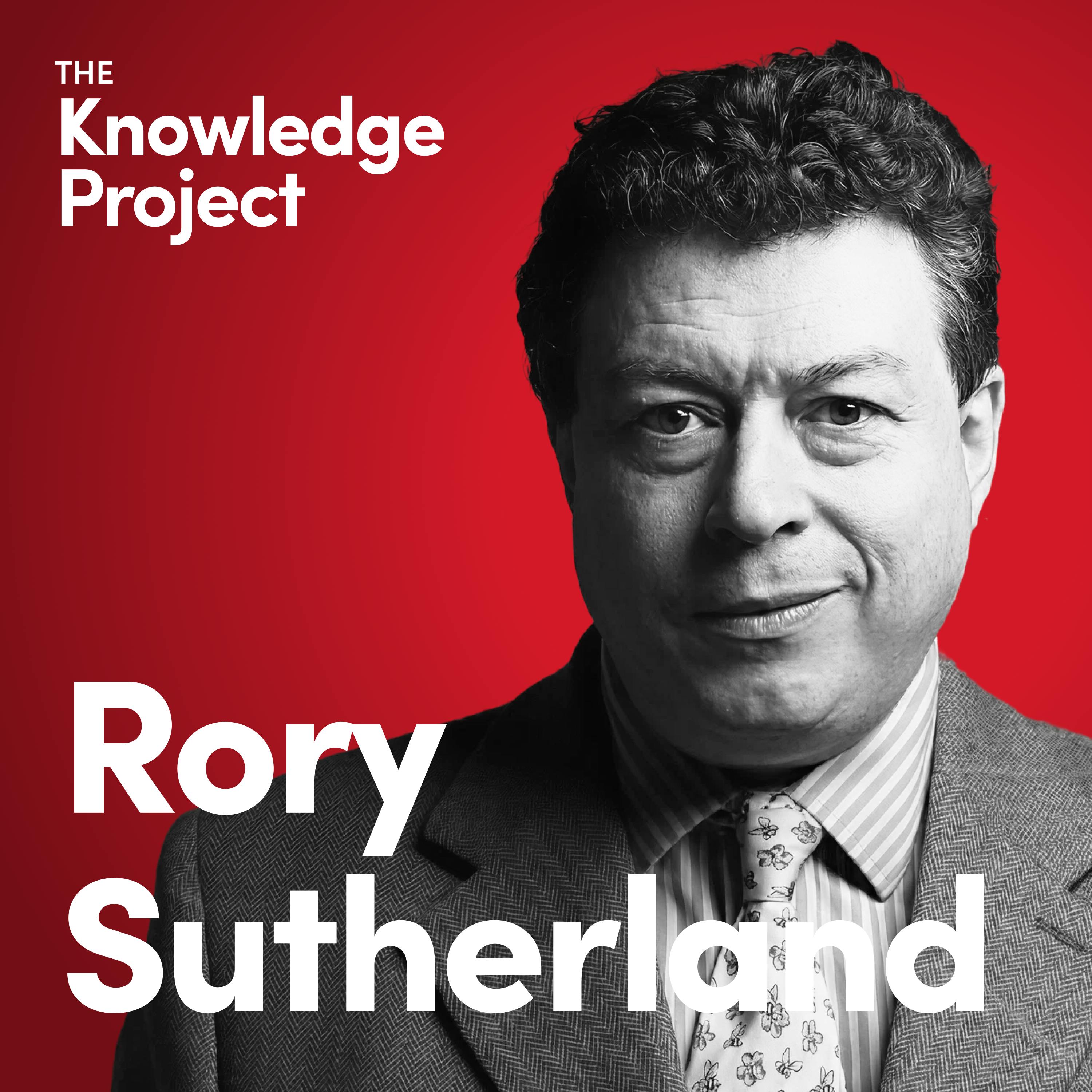
Data since 2008 shows that companies with so-called "bad governance"—often founder-controlled with less board independence—have, in aggregate, financially outperformed those following conventional "good governance" best practices, challenging the entire framework.

VCs offering capital without a board seat frame it as founder-friendly control. However, it's often a self-serving strategy that allows the firm to deploy more capital with less hands-on work, robbing founders of a dedicated partner for governance and strategy.

Investment research suggests the significant performance signal in governance isn't achieving a perfect score, but rather avoiding companies in the worst decile. The key is to steer clear of clear red flags—like misaligned boards or poor capital allocation—as this is where underperformance is most clearly correlated.

Karri Saarinen argues that investors without direct operational experience often make better board members. They understand their role is to provide capital and high-level guidance, not dictate day-to-day strategy. This prevents them from misapplying lessons from their past company to your unique situation.
Do not assume senior investors from larger funds will enforce founder accountability. Early-stage investors, who possess deep historical context and trust, have a unique responsibility to continue having direct, uncomfortable performance conversations, regardless of who else is on the cap table.
