Get your free personalized podcast brief
We scan new podcasts and send you the top 5 insights daily.
Instead of a typical 3-day pop-up skewed by hype, Every Other Thursday ran one for a month. This provided more accurate data on daily foot traffic and non-fan customers, giving them the confidence to invest in a permanent, high-cost retail location.

Related Insights
Marketers should create temporary, high-energy events rather than long-term, low-engagement communities. A time-bound "24-hour vault unlock" or a 30-day pop-up group generates urgency and a fear of missing out, driving significant participation that permanent online spaces often fail to sustain, even in "boring" industries.

Faced with only 4-5 monthly promotion slots in a weekly newsletter, the creator launched a daily "pop-up newsletter" to run 30 cross-promotions in 30 days. This format constraint became a unique, high-growth campaign concept.
With their product in just one store, the founders concentrated all marketing efforts locally through events at gyms and markets. This hyper-focused strategy drove foot traffic directly to that single location, ensured they sold out weekly, and proved product velocity to their retail partner.

To prove marketing's ROI, run geo-fenced ad campaigns targeted at a specific set of retail locations. By comparing sales in these "test" stores against a control group of similar stores, you can measure the direct, incremental sales lift caused by your creative, providing black-and-white accountability.

To enter physical retail, first test markets with low-cost local events. Next, 'walk' by running trunk shows and pop-ups with wholesale partners. Finally, 'run' by using short-term leases in retail incubators to validate a location before committing to expensive 10-year leases.
Lore's founder advises that securing retail placement is not the goal; performing well within it is. Starting with a smaller, more strategic door count allows a new brand to prove its model and build momentum before a wider, more expensive rollout.

When pitching to retailers, go beyond sales data. Highlighting that customers will go to inconvenient lengths—like meeting in a park in winter—to get your product tells a powerful story of demand and devotion, making a more compelling case for valuable shelf space.
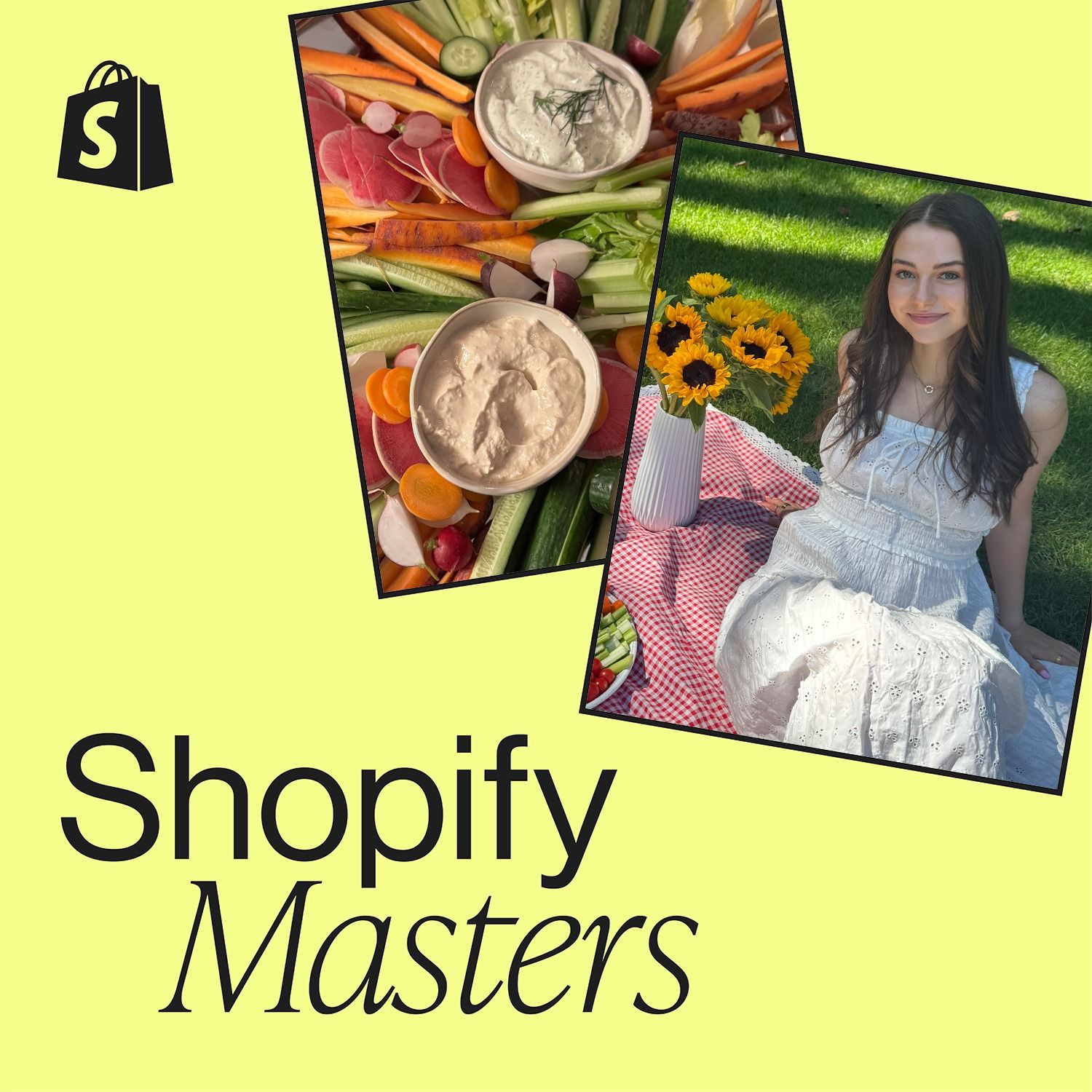
Unable to initially afford their mobile trailer, Prosperity Market was forced to run pop-up markets across LA. This multi-year "delay" became a blessing, allowing them to build community, test neighborhoods, and prove their concept before making a large capital investment.
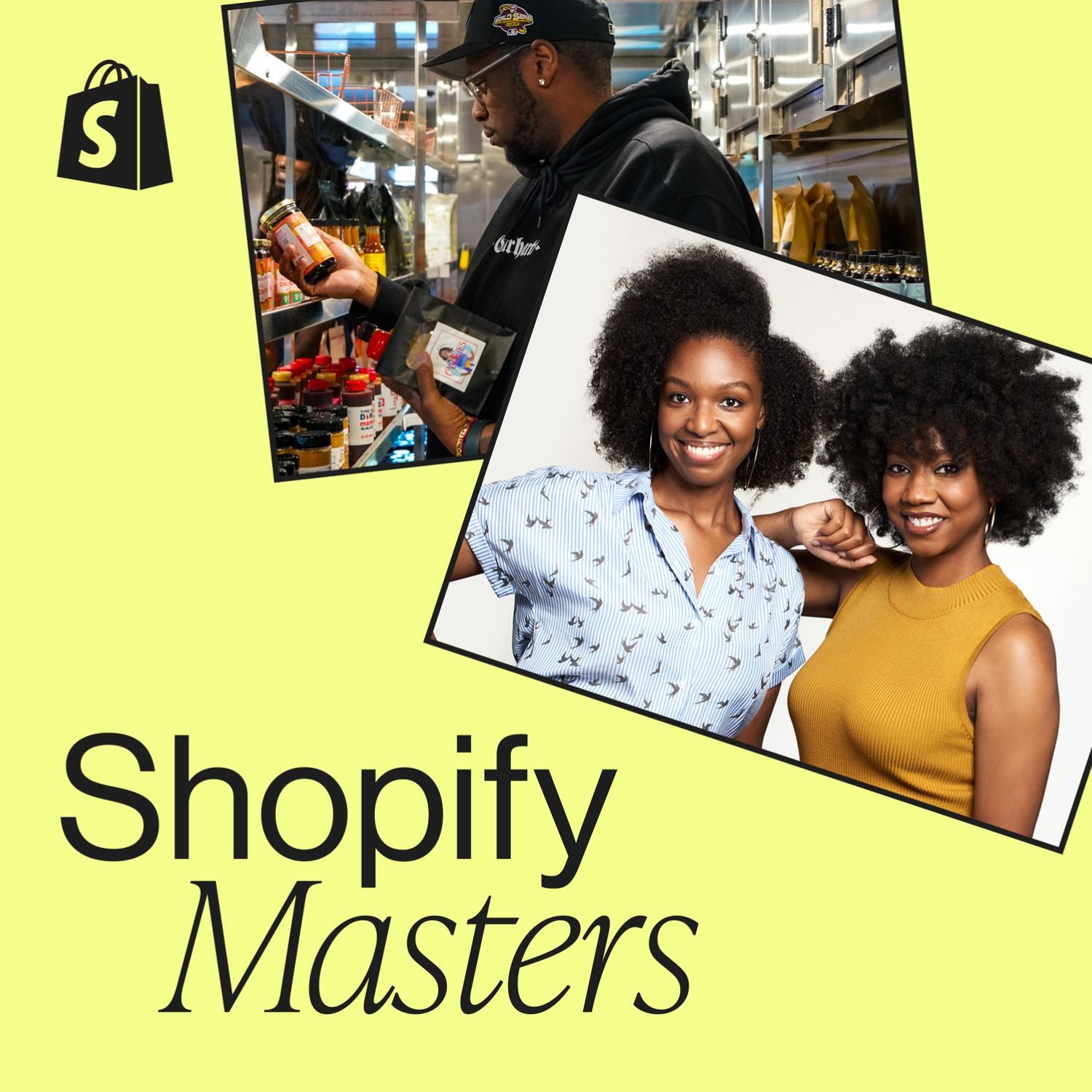
While online analytics are useful, in-person events provide invaluable, unfiltered customer feedback. Sonsie's team observed live interactions at a pop-up and immediately updated their website's product descriptions and FAQs based on the exact questions and surprising perceptions they heard.

An unconventional distribution model, like in-person park drops, is a strategic tool for early founders. It creates a rare opportunity for direct, face-to-face feedback on product and purchasing motivation before scaling into retail channels where that intimate customer connection is lost.