Get your free personalized podcast brief
We scan new podcasts and send you the top 5 insights daily.
Despite the dominance of digital streaming, vinyl records have made a surprising comeback, with revenues surpassing CDs and digital downloads. This trend points to a deep-seated consumer desire for physical ownership, collectibility, and direct artist support that digital formats don't satisfy.

Related Insights
The generation most immersed in digital life is developing a powerful nostalgia for a pre-internet world they've only seen in media. This drives trends like 'digital defiance' and an appreciation for analog products. Brands can tap into this by offering experiences that feel authentic and non-digital.

In an era of infinite, AI-generated content, physical info products (like Alex Hormozi's printed playbooks) have surged in value. Their tangibility signals curation and substance, making customers more likely to pay a premium and actually engage with the material compared to a folder of PDFs.

In the streaming era, where physical sales are crucial for chart placement, listening parties have evolved from industry previews to key marketing events. By creating buzz and encouraging fans to buy physical albums, these events contribute a significant 10% to 20% of an album's vital first-week sales figures.

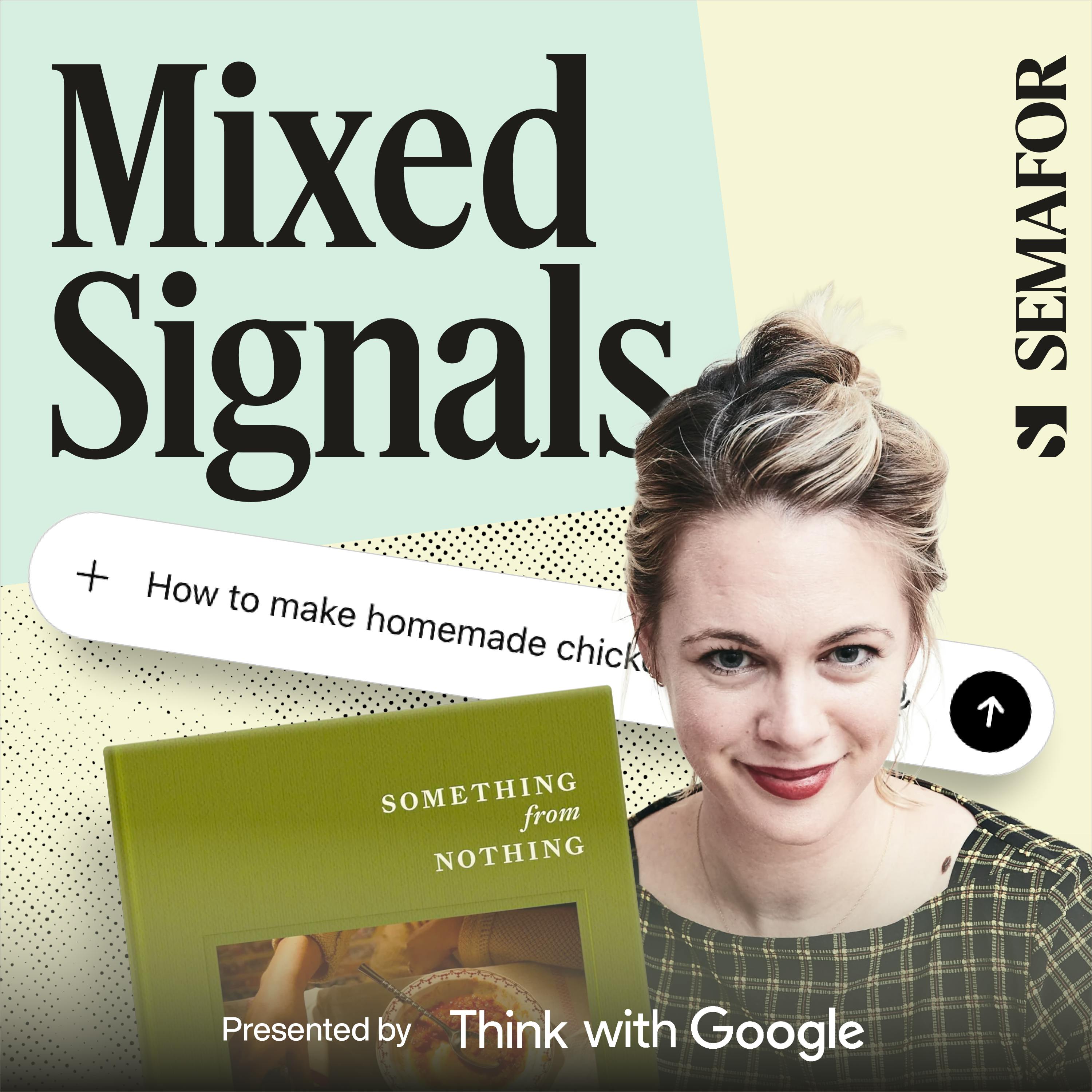
Cookbooks provide a cohesive, themed collection, offering a tangible, screen-free alternative to the endless stream of single-serving digital recipes. This creates a more meaningful and lasting connection with the content, turning a utility into a cherished object.
By selling multiple versions of the same album with minor variations like different colors, Taylor Swift employs a strategy called 'versioning.' This tactic transforms a single purchase into multiple sales from the same customer, creating 'super fans' and boosting profit margins. It's a powerful model for any business with a core product.

Collectibles are on the verge of becoming a major cultural pillar on par with music, sports, or fashion. Social media fuels this by enabling sharing and community-building, turning personal collections into a form of expression and an alternative investment class.

Reacting against digital oversaturation, younger consumers are creating a counter-movement toward "acoustic real experiences." This involves deliberately choosing analog technologies like point-and-shoot cameras and flip phones over their more efficient digital counterparts, creating new market opportunities for founders catering to this desire for tangible, focused experiences.

Collectibles have evolved beyond niche hobbies into a mainstream communication tool, similar to fashion or luxury cars. Consumers use them to signal identity, tribal affiliation, and status. Brands can leverage this behavior to build deeper connections and create a sense of community.
While the functional, mass-market pen industry is collapsing due to digital tools, the ultra-high-end niche is prospering. Pens costing thousands, or even a million dollars, succeed as status symbols and collectibles. This shows that for certain physical products, brand and craftsmanship can create a market immune to technological obsolescence.

While the dominant consumer trend is digital sharing, a growing counter-movement seeks to disconnect. This creates a marketing opportunity to position analog products, like binoculars, not as outdated tools but as instruments for a "screen-free" ritual of being present in the world.
