Get your free personalized podcast brief
We scan new podcasts and send you the top 5 insights daily.
While the functional, mass-market pen industry is collapsing due to digital tools, the ultra-high-end niche is prospering. Pens costing thousands, or even a million dollars, succeed as status symbols and collectibles. This shows that for certain physical products, brand and craftsmanship can create a market immune to technological obsolescence.

Related Insights
While digitization forces legacy pen manufacturers to downsize, Italy's Legami is thriving by ignoring utility and focusing on emotional appeal. Its cute, collectible, animal-themed gel pens have become a viral sensation among children, proving that a low-tech product can dominate by tapping into the cultural zeitgeist for cheerful escapism.
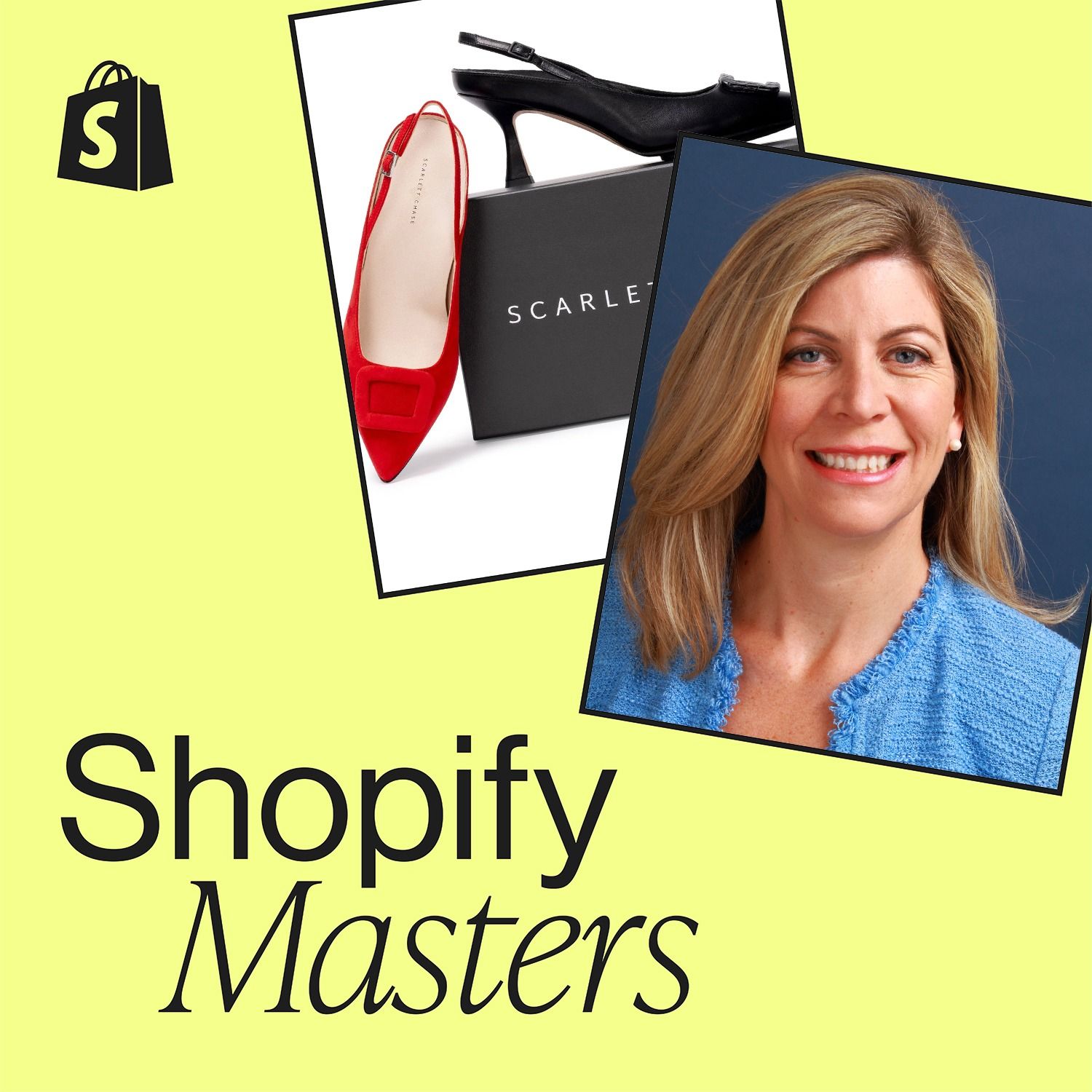
Instead of lowering prices to capture a wider audience, Scarlet Chase embraces a high-end niche. The founder's philosophy is that diluting the product's quality for broader appeal is a mistake. The strategy is to deliver exceptional value to a focused group of customers who can afford and appreciate the investment.
For luxury brands, raising prices is a strategic tool to enhance brand perception. Unlike mass-market goods where high prices deter buyers, in luxury, price hikes increase desirability and signal exclusivity. This reinforces the brand's elite status and makes it more coveted.
In an era of infinite, AI-generated content, physical info products (like Alex Hormozi's printed playbooks) have surged in value. Their tangibility signals curation and substance, making customers more likely to pay a premium and actually engage with the material compared to a folder of PDFs.

Starbucks' limited-edition items, like a "bearista" cup selling for $500 on eBay, create massive hype through engineered scarcity. This strategy shows that for certain brands, limited-run physical goods can be a more potent marketing tool than the core product itself, fostering a collector's frenzy and a lucrative secondary market.

The strategy for reviving print media is not to compete with digital, but to reframe physical scarcity as a luxury feature. By offering a print edition as a hyper-exclusive, expensive product available only in a few elite zip codes, it becomes a status symbol.

In a world of automated ease, corporate gifting and event 'swag' are changing. Mass-produced, low-effort items are losing value. The new status symbol is the hyper-personalized gift that proves deep knowledge of the recipient, signifying power, taste, and genuine human thought.
Reacting against digital oversaturation, younger consumers are creating a counter-movement toward "acoustic real experiences." This involves deliberately choosing analog technologies like point-and-shoot cameras and flip phones over their more efficient digital counterparts, creating new market opportunities for founders catering to this desire for tangible, focused experiences.

Collectibles have evolved beyond niche hobbies into a mainstream communication tool, similar to fashion or luxury cars. Consumers use them to signal identity, tribal affiliation, and status. Brands can leverage this behavior to build deeper connections and create a sense of community.

As AI commoditizes basic functionality, 'good enough' is no longer sufficient and will be considered mediocre. Sustainable advantage will come from the top of the stack: superior design, craft, brand, point of view, and storytelling.
