Get your free personalized podcast brief
We scan new podcasts and send you the top 5 insights daily.
After a trip to Silicon Valley revealed how little they knew about the future of their own industry, Vanguard began venture investing. The goal wasn't financial returns, but to maintain a presence in the innovation ecosystem to understand emerging threats and opportunities.

Related Insights
The government seeks VC involvement not just for capital, but for their expertise in evaluating founders and execution risk. A VC's investment is a powerful signal that helps the government allocate its own funds more efficiently to the most promising companies, essentially outsourcing talent assessment for strategic projects.

While the market trends toward sector specialization, LPs should maintain a significant allocation to generalist VCs. These funds are uniquely positioned to invest in outlier founders and "weird" ideas that don't fit into a specific thesis, which are often the source of the greatest returns.

A robust VC strategy is to identify an inevitable trend, like AI, and invest in the infrastructure that will power it. This means avoiding downstream applications, which are competitive, and instead focusing on upstream suppliers that the entire ecosystem will depend on, ensuring relevance regardless of which application wins.

In VC, where being wrong is the norm (80%+ of the time), the most critical trait is not righteousness but deep curiosity. This learning-first mindset is what uncovers non-obvious opportunities and allows investors to see future market shifts before they become mainstream, according to True Ventures' Jon Callaghan.

While an operating company must commit to a single, coherent strategy, a venture portfolio can invest in opposing models simultaneously (e.g., big vs. small models, open vs. closed source). This allows VCs to win regardless of which future unfolds.

Strategic investors like Sanofi and AbbVie invest in early-stage biotechs not just for financial return, but to monitor disruptive technologies. This gives them a seat at the table to observe innovations that could render their own multi-billion dollar franchises obsolete in the next decade.

Koch Disruptive Technologies would have been shut down if judged on short-term financials, as venture losses appear before winners. The firm was sustained because the leadership valued the strategic learning about disruptive tech that could impact its core businesses, justifying the investment long enough for returns to emerge.

UPMC Enterprises identifies clinical areas where its parent health system is not at the frontier. It then deliberately seeks external investments in those specific areas to bring in new technologies and expertise, rather than only investing in existing internal strengths.

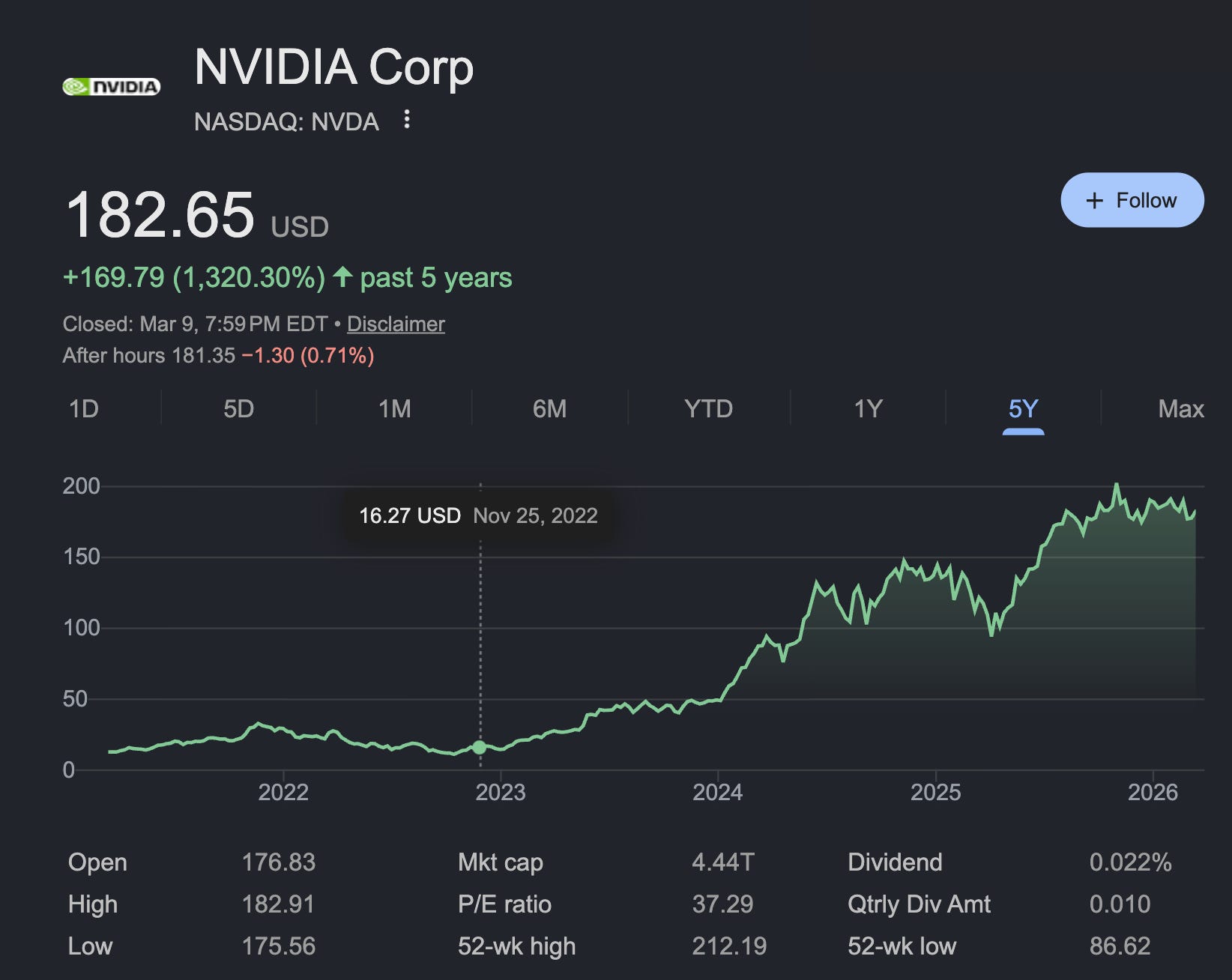
NVIDIA embraces the concept of "zero billion dollar markets," investing heavily in initiatives that have no immediate revenue potential. This long-term R&D strategy, like their decade-long work in autonomous driving, is key to creating and eventually dominating future markets.
For LPs with significant holdings in traditional industries, venture investments in areas like AI serve as a counterbalance. This strategy is less about capturing pure upside and more about mitigating the risk of their existing legacy portfolios becoming obsolete due to technological disruption.
