Get your free personalized podcast brief
We scan new podcasts and send you the top 5 insights daily.
With AI accelerating development from months to days, PMs must focus on unblocking engineers and launching weekly. This supersedes traditional emphasis on long-term, cross-team roadmap alignment, which was crucial when code was more expensive to produce.

Related Insights
As AI tools automate coding and prototyping, the product manager's core function is no longer detailed specification writing. Instead, their value multiplies in judging, facilitating, and making the right strategic decisions quickly. The emphasis moves from the 'how' of building to the 'what' and 'why,' making decision-making the critical skill.

The traditional product management workflow (spec -> engineer build) is obsolete. The modern AI PM uses agentic tools to build, test, and iterate on the initial product, handing a working, validated prototype to engineering for productionalization.
![Building a Personal AI Model Map [AI Operators Bonus Episode] thumbnail](https://d3t3ozftmdmh3i.cloudfront.net/staging/podcast_uploaded_nologo/41472609/41472609-1752234663609-8665756a468e5.jpg)
For the first time, engineering cycles, supercharged by AI, are outpacing marketing and sales. The old model of quarterly product updates is obsolete. Go-to-market teams now need a rapid, weekly cadence of demos and updates to stay aligned with the product's actual capabilities.
AI's rapid capability growth makes top-down product specs obsolete. Product Managers now work bottoms-up with engineers, prototyping and even checking in code using AI tools. This blurs traditional roles, shifting the PM's focus to defining high-level customer needs and evaluating outcomes rather than prescribing features.
![Gokul Rajaram - Lessons from Investing in 700 Companies - [Invest Like the Best, EP.456] thumbnail](https://megaphone.imgix.net/podcasts/a35cb364-fc94-11f0-a24d-836fa963ece3/image/f64963c59af651cbb2d022f3a0dd7199.jpg?ixlib=rails-4.3.1&max-w=3000&max-h=3000&fit=crop&auto=format,compress)
The traditional PM function, which builds sequential, multi-month roadmaps based on customer feedback, is ill-suited for AI. With core capabilities evolving weekly, AI companies must embed research teams directly with customer-facing teams to stay agile, rendering the classic PM role ineffective.

In the fast-moving AI sector, quarterly planning is obsolete. Leaders should adopt a weekly reassessment cadence and define "boundaries for experimentation" rather than rigid goals. This fosters unexpected discoveries that are essential for staying ahead of competitors who can leapfrog you in weeks.
In a rapidly evolving field like AI, long-term planning is futile as "what you knew three months ago isn't true right now." Maintain agility by focusing on short-term, customer-driven milestones and avoid roadmaps that extend beyond a single quarter.

As AI tools accelerate engineering output, the limiting factor in product development is no longer coding speed but the quality of product discovery and strategy. This increases the demand for effective product managers who can feed the more efficient engineering pipeline.

The product development cycle has shifted. Instead of writing a spec, Product Managers use AI coding tools like Bolt.new to build the initial working version of a product. They then hand this functional prototype to engineers for hardening, security, and scaling, dramatically accelerating the process.
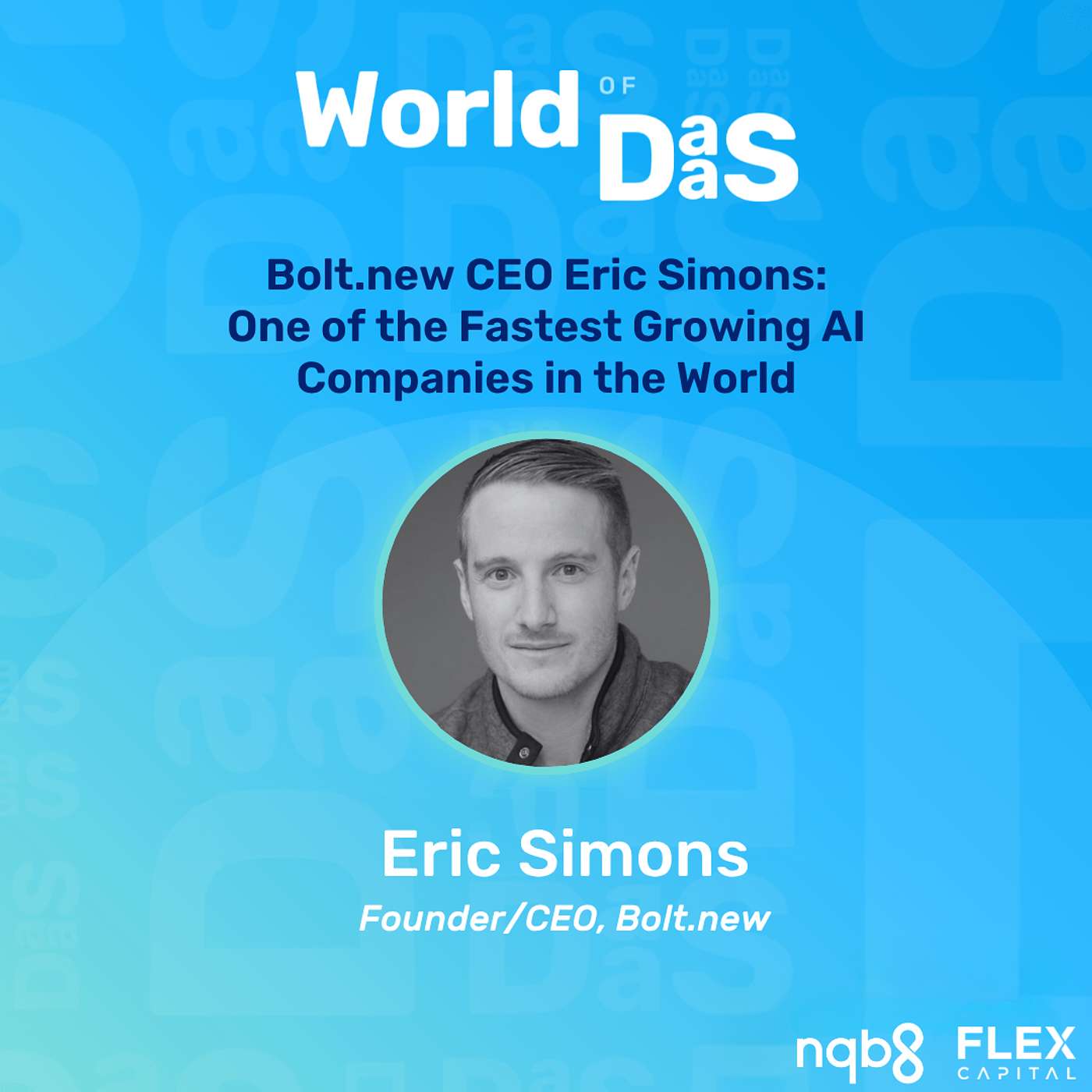
Contrary to fears of fewer PMs, AI-driven development efficiency will increase the need for strategic guidance. This shifts the bottleneck to product strategy, requiring tighter PM alignment and potentially leading to smaller, more senior teams with ratios as low as one PM for every two developers.
