Get your free personalized podcast brief
We scan new podcasts and send you the top 5 insights daily.
While foundational models are metered by tokens, vertical AI solutions in specific domains like healthcare or finance will increasingly compete by charging for measurable business outcomes. Customers will hold these apps accountable for delivering tangible ROI, making outcome-based pricing a key differentiator.

Related Insights
AI enables a fundamental shift in business models away from selling access (per seat) or usage (per token) towards selling results. For example, customer support AI will be priced per resolved ticket. This outcome-based model will become the standard as AI's capabilities for completing specific, measurable tasks improve.

The future business model for health tech will shift from subscriptions (SaaS) to outcomes. Vendors will be paid based on the tangible results they generate, such as cost savings or improved patient health, aligning incentives.

Current AI pricing models, which pass on expensive LLM costs to users, are temporary. As LLM costs inevitably collapse and become commoditized, the winning companies will be those who have already evolved their monetization to be based on the value their product delivers.

In categories like customer support, where AI can handle the vast majority of queries, charging per human agent ('per seat') no longer makes sense. The business model is shifting to be outcome-based, where customers pay for the value delivered, such as per ticket resolved or per successful interaction.

The dominant per-user-per-month SaaS business model is becoming obsolete for AI-native companies. The new standard is consumption or outcome-based pricing. Customers will pay for the specific task an AI completes or the value it generates, not for a seat license, fundamentally changing how software is sold.

Unlike Vertical SaaS which sells software licenses to IT departments, Vertical AI sells outcomes by replacing human labor. This allows it to tap directly into a company's much larger labor P&L, creating a significantly bigger total addressable market and enabling outcome-based pricing models.

The B2B software business model is evolving from licenses and subscriptions toward outcome-based pricing, where customers pay for successful task completion. While currently limited to measurable areas like customer support, this model represents the next major disruptive wave as AI makes more outcomes quantifiable.
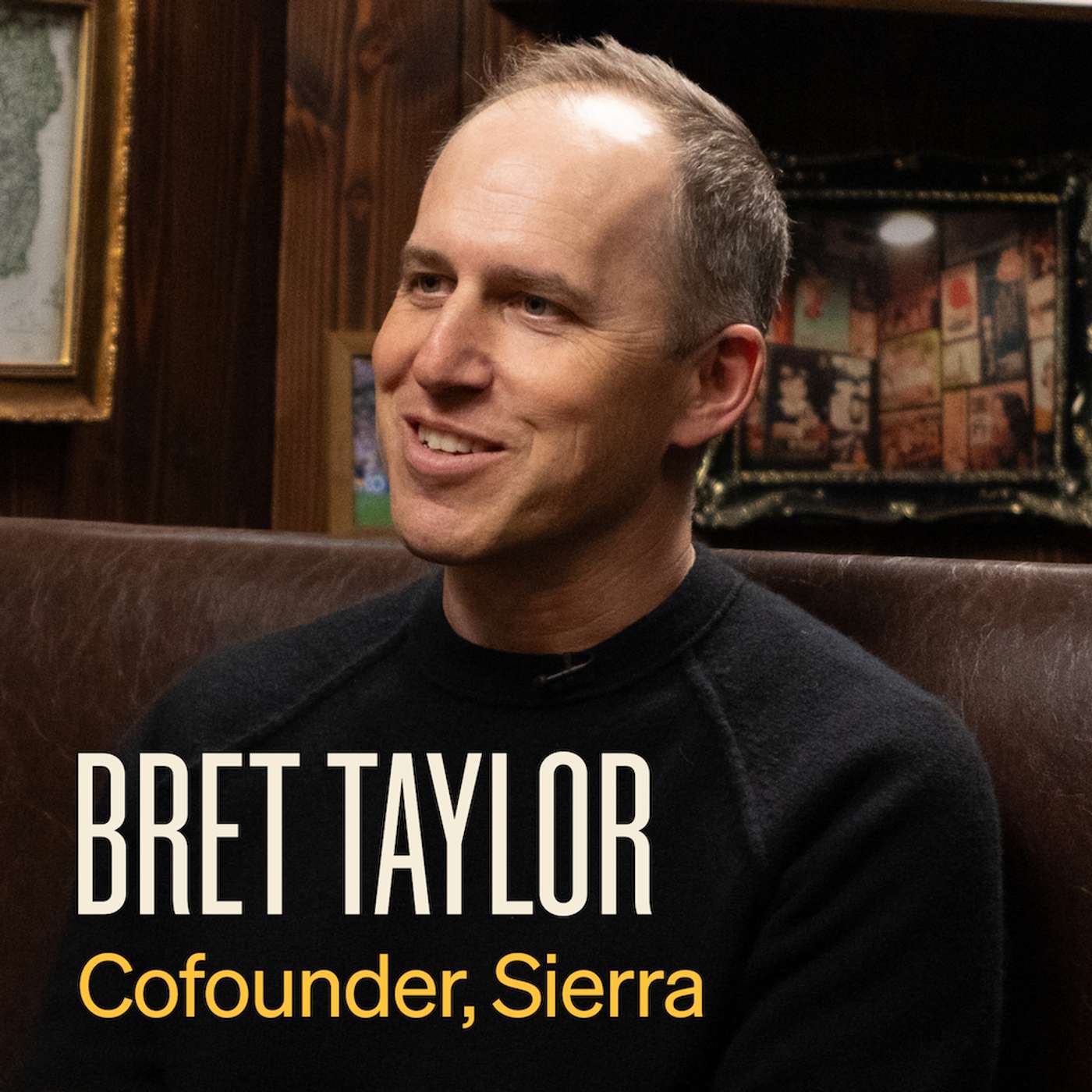
Bret Taylor of Sierra argues outcome-based pricing (charging for a resolved case) is superior to usage-based pricing (charging for tokens). It aligns vendor and customer interests by tying cost directly to business value, not resource consumption. This forces the vendor to improve product effectiveness, not just optimize for usage.
The next major business model shift in software is from seat-based pricing to outcome-based pricing (e.g., paying per task completed). This favors AI-native newcomers, as incumbents will struggle to adapt their GTM and financial models.

In the age of AI, software is shifting from a tool that assists humans to an agent that completes tasks. The pricing model should reflect this. Instead of a subscription for access (a license), charge for the value created when the AI successfully achieves a business outcome.
