Get your free personalized podcast brief
We scan new podcasts and send you the top 5 insights daily.
To compete without a track record, Lux Capital built tangible, non-clichéd value-adds out of necessity, including a public policy group to influence non-dilutive government grants for their portfolio companies.
![[REPLAY] Josh Wolfe – Seeing the Lux (Capital Allocators, EP.65) thumbnail](https://static.libsyn.com/p/assets/f/b/7/6/fb76e1c8bfb69e8dd959afa2a1bf1c87/CA_Square_logo_light_background_6.26.24.jpg)
Related Insights
A16z's decision to add Hollywood agent Michael Ovitz to their board was controversial but genius. It directly led to modeling the firm after Creative Artists Agency (CAA), a novel approach in venture capital. This shows the power of seeking board-level expertise from outside your industry to challenge core assumptions and unlock game-changing strategies.

A top-tier VC's primary value isn't just capital; it's the immediate credibility they lend to a startup that may not have earned it yet. This credibility is then 'harvested' to attract elite talent, future funding, and crucial brand momentum.
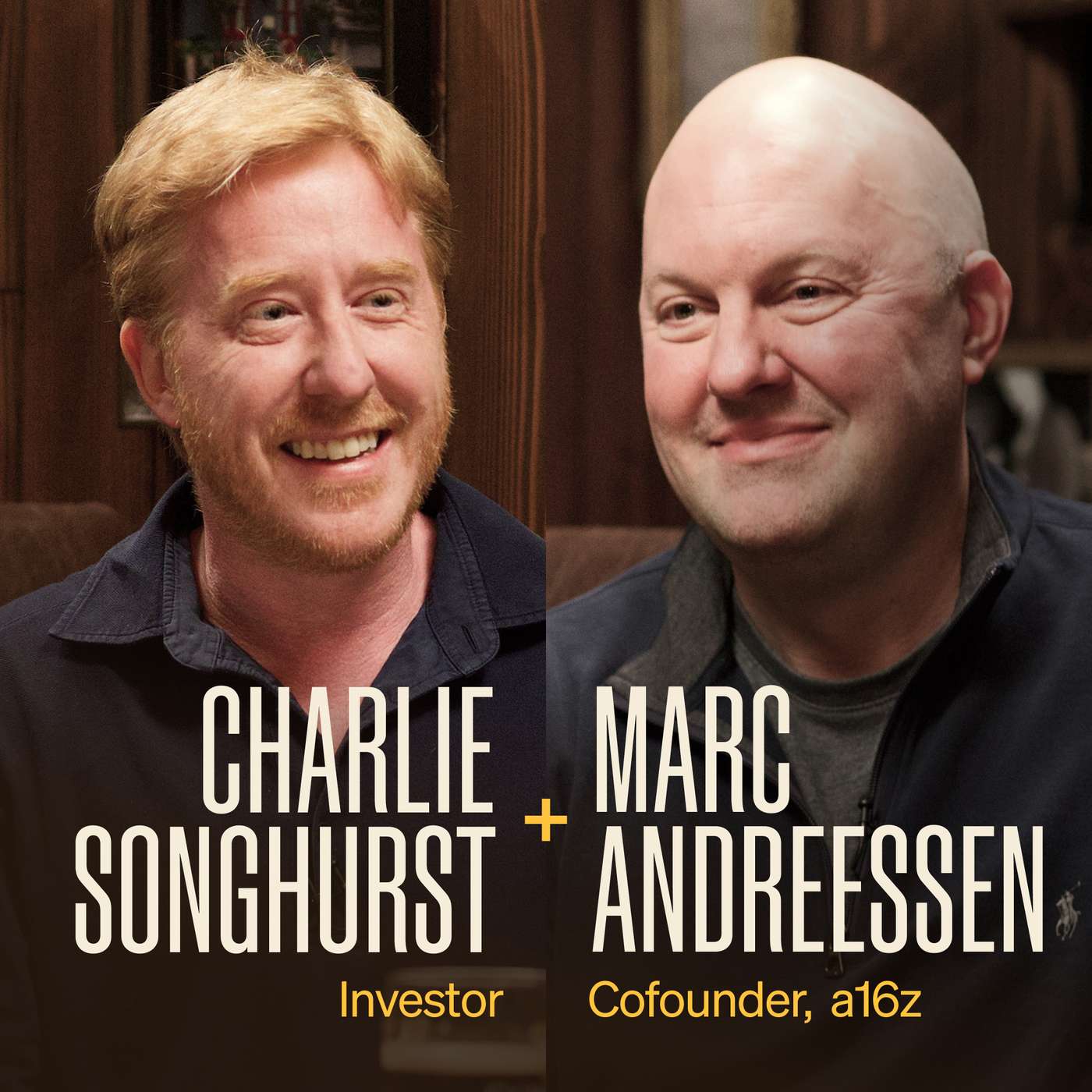
While every VC has a network, true sourcing edge comes from building a brand and belief system that resonates deeply with founders. This makes founders proactively seek you out, creating a high-quality inbound channel with deals that competitors aren't seeing, allowing a small fund to punch above its weight.

Bill Conway of The Carlyle Group challenged Lux Capital's founders with two critical questions: Why does the world need another venture fund, and what will be your durable competitive advantage against giants like Sequoia and Kleiner? Answering these defined their strategy.
Founders should press VCs on how they specifically envision working together. A strong investor can articulate a nuanced plan tailored to the team's unique needs and the founder's working style, moving beyond a generic menu of services to show true alignment and understanding of the business's goals.

The expectation for venture capitalists has shifted. Founders no longer just want finance professionals; they demand investors who have direct operational experience and have been "in the trenches" of building a company. This change reflects a move towards more hands-on, value-add investing.

Resist the common trend of chasing popular deals. Instead, invest years in deeply understanding a specific, narrow sector. This specialized expertise allows you to make smarter investment decisions, add unique value to companies, and potentially secure better deal pricing when opportunities eventually arise.

Competing to be a founder's "first call" is a crowded, zero-sum game. A more effective strategy is to be the "second call"—the specialist a founder turns to for a specific, difficult problem after consulting their lead investor. This positioning is more scalable, collaborative, and allows for differentiated value-add.

To foster contrarian thinking and prevent groupthink, Lux Capital allows each investment partner one "silver bullet" per fund. This enables a partner with deep conviction to make an investment even without team consensus, mitigating the risk of missing a brilliant, non-obvious opportunity.
Small, dedicated venture funds compete against large, price-insensitive firms by sourcing founders *before* they become mainstream. They find an edge in niche, high-signal communities like the Thiel Fellowship interviewing committee or curated groups of technical talent. This allows them to identify and invest in elite founders at inception, avoiding bidding wars and market noise.
