Get your free personalized podcast brief
We scan new podcasts and send you the top 5 insights daily.
Through his agency Elevator Studio, Dan Fleischmann acquires stakes in brands by bartering services such as influencer marketing rather than just charging fees. Alternatively, he blends structures by providing cash alongside marketing services in exchange for bonus equity. This model lets service providers convert standard marketing cash flow into asymmetric capital gains.
Related Insights
Instead of a standard affiliate deal, propose creating ad content for a brand to run with their own ad spend. In exchange, accept a lower commission (e.g., 20% vs. 40%). This provides the influencer with passive income and free brand exposure, while the brand gets authentic, high-performing ads.

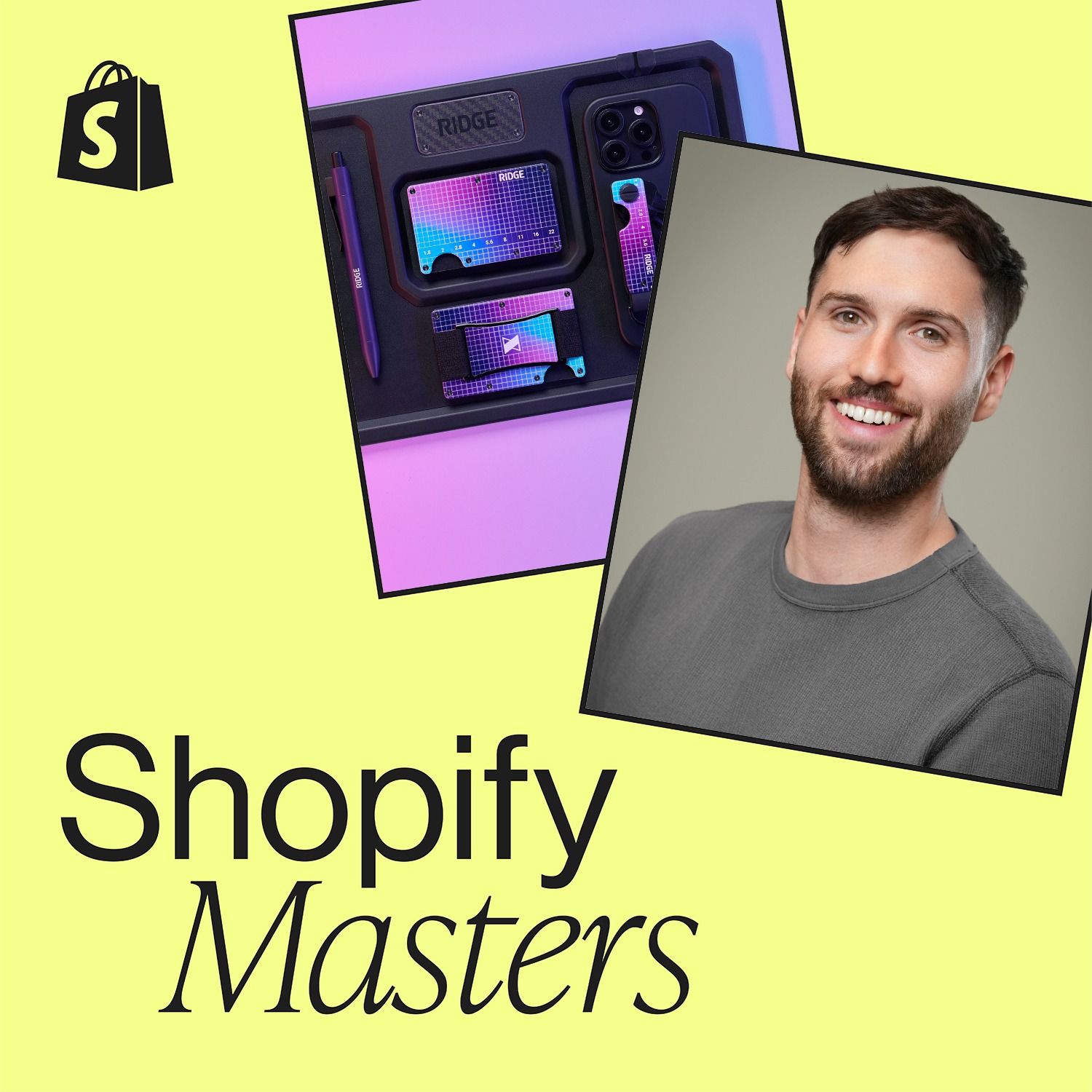
Instead of scaling his ad agency, the founder saw that one client, Ridge, had more potential than the rest combined. He folded his agency's operations and team into Ridge in exchange for equity, transitioning from a service provider to an operator focused on a single, high-growth asset.
To achieve deep alignment with a key influencer, offer them a significant profit share (e.g., 25%) of a single product rather than equity in the parent company. This structure incentivizes performance for a specific launch without diluting overall ownership, making it a powerful GTM tool.

Top talent agencies are evolving their business model for the creator economy. Instead of simple commissions, they now take equity and a seat on the cap table of creator-founded brands, reflecting their deep involvement in packaging, distribution, and marketing—acting more like a co-founder than an agent.

For a niche equipment brand, securing a top-tier athlete can be transformative. Rather than a small cash deal, offering a significant equity stake (e.g., 25%) turns the athlete into a co-owner, incentivizing them to actively build the brand among peers.

Instead of running their own ads, an influencer can propose a deal to create ad content for a partner brand. The brand funds the ad spend, and the influencer accepts a reduced commission (e.g., 20% instead of 40%) on sales. This generates risk-free revenue and free brand exposure for the influencer.
Chasing a traditional endorsement from a corporate giant like Pepsi is an outdated model for top creators. Gary Vaynerchuk argues the modern power move is to leverage a massive audience to get equity in a relevant startup. This provides far greater long-term financial upside and positions the creator as a business partner.

Top-tier creators are evolving their business models beyond simple sponsorships. They now leverage their influence to secure equity stakes or a percentage of sales they generate, enabling them to capture long-term upside and align more deeply with the brands they promote.

For operators with a unique, high-demand skill like political strategy, taking equity for services is a superior model to traditional VC. It captures 100% of the upside and avoids the distractions and economic dilution of fundraising, LP management, and board responsibilities.
Instead of a simple affiliate deal, structure high-stakes influencer partnerships like a co-founder agreement. Grant significant profit/exit share but require ongoing work and include clauses that revoke the stake if commitments aren't met.
