Get your free personalized podcast brief
We scan new podcasts and send you the top 5 insights daily.
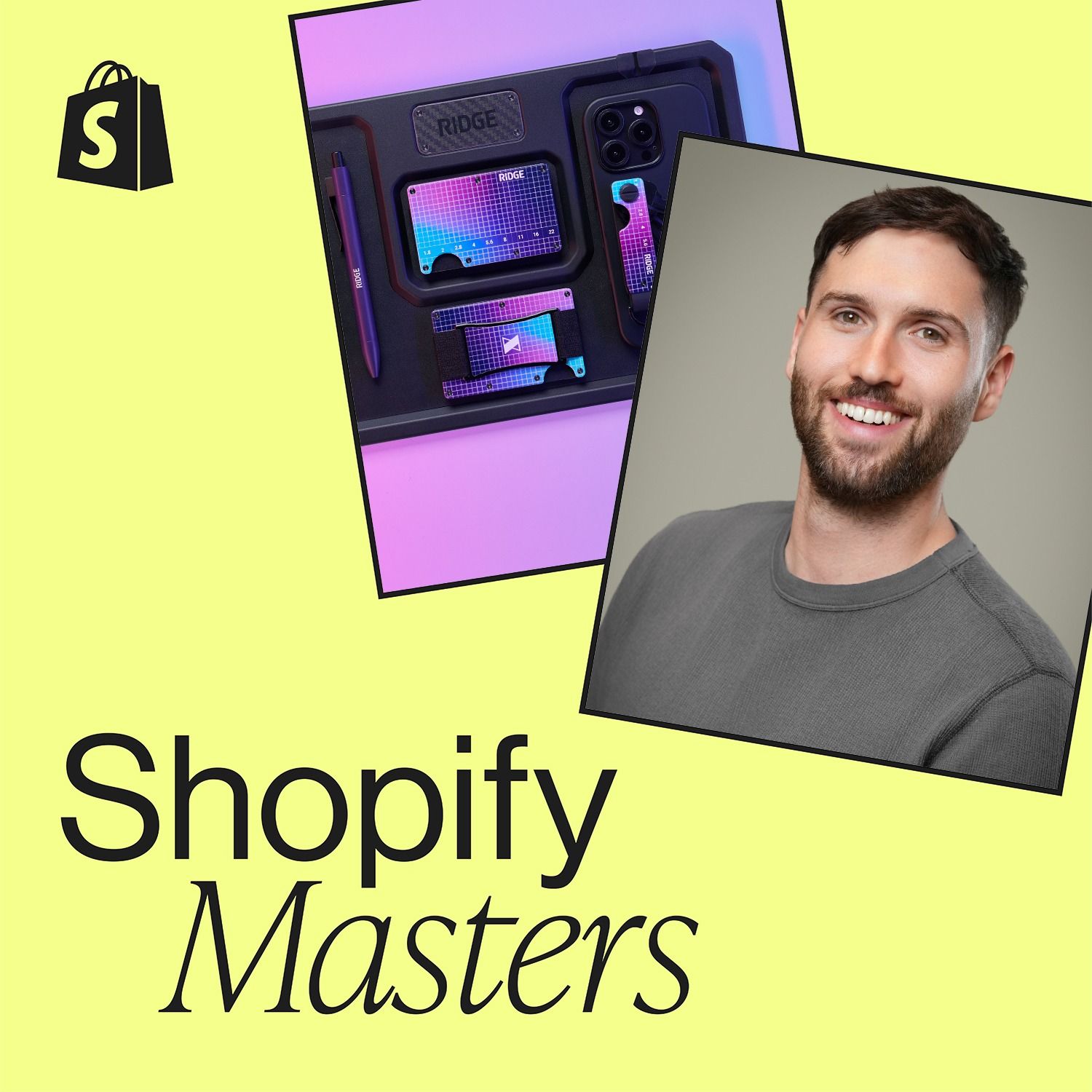
Instead of scaling his ad agency, the founder saw that one client, Ridge, had more potential than the rest combined. He folded his agency's operations and team into Ridge in exchange for equity, transitioning from a service provider to an operator focused on a single, high-growth asset.
Related Insights
Serial acquirer Lifco improves post-acquisition performance by having sellers retain an ownership stake in their business. This goes beyond typical earn-outs, keeping the founder's expertise and incentives aligned with the parent company for long-term growth, rather than just hitting short-term targets.
Merge's founder believes a startup's first $10M in revenue can be achieved through the founders' sheer force of will. However, scaling to $100M requires a fundamental shift: building a strong leadership team, focusing on enterprise sales, and creating scalable systems—a completely different company.

When scaling a local service business like a chiropractic office, acquiring existing practices is a more efficient growth path than building new ones from scratch. It's often possible to find owners willing to sell for very little, making it easier to retrofit them into your model.

The independent sponsor model excels in the lower middle market by transforming founder-led businesses. Core value is created not just by growth, but by building out management teams and systems to de-risk the company, enabling it to be sold at a higher multiple.

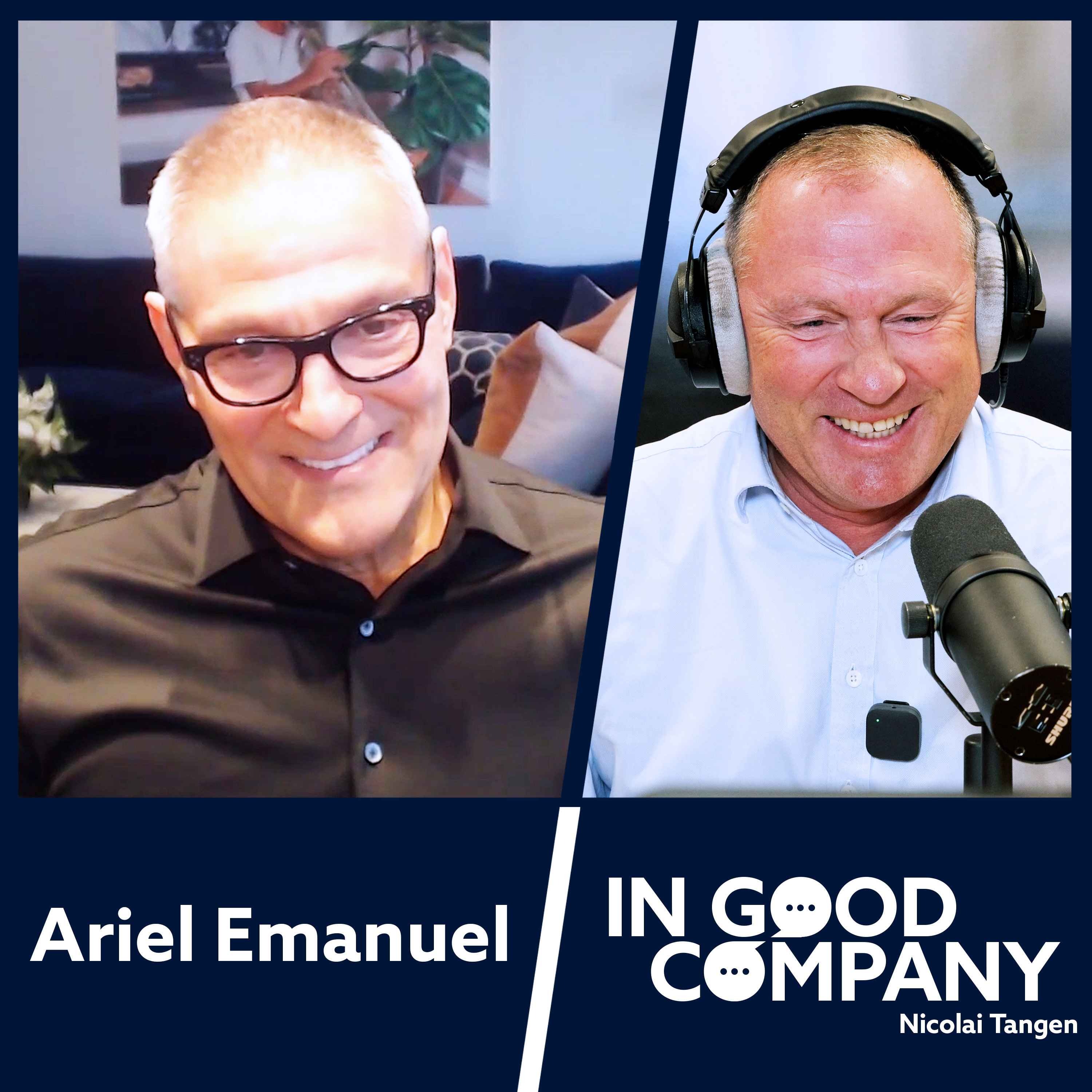
Emanuel's agency, Endeavor, used its unique position representing global talent to identify undervalued sports and entertainment properties. By acquiring these localized assets (like UFC), they could apply their global infrastructure to unlock massive value that the original owners couldn't access, capturing 90% of the value instead of a 10% agent fee.
To scale his company Exit Five, the founder (the "Visionary") promoted his COO to CEO (the "Integrator"). This structure, from the book *Traction*, allows the creator to focus on ideas and content while the operator runs the business, manages the team, and implements processes.

Ari Emanuel's core strategy was to identify localized companies or talent with global potential. By leveraging Endeavor's global platform, they could significantly increase an asset's value, allowing them to transition from a representation role to a more lucrative ownership position. This model focuses on unlocking latent global demand.

Viewing acquisitions as "consolidations" rather than "roll-ups" shifts focus from simply aggregating EBITDA to strategically integrating culture and operations. This builds a cohesive company that drives incremental organic growth—the true source of value—rather than just relying on multiple arbitrage from increased scale.

Vista Equity Partners grows companies by identifying the top 20% of customers with the highest LTV, understanding their common traits, and then focusing all acquisition efforts exclusively on finding more of them while cutting channels that bring in low-value clients.

Instead of keeping its M&A strategy in-house, Composecure, under Dave Cote, spun out its capital allocation arm into a separate public company, Resolute Holdings. This allows the market to apply a high-growth 'asset manager' multiple to the M&A potential, separate from the core operating business.
![CompoSecure: Heavy Metal - [Business Breakdowns, EP.232] thumbnail](https://megaphone.imgix.net/podcasts/6a0322c8-b087-11f0-b5ae-835d92fb36c4/image/9d584d132c15ae048ca7a0ec6b1f3ff7.jpg?ixlib=rails-4.3.1&max-w=3000&max-h=3000&fit=crop&auto=format,compress)