Get your free personalized podcast brief
We scan new podcasts and send you the top 5 insights daily.
Sustainable brand Repurpose only launches products that satisfy three core criteria: performing as well as conventional alternatives, being genuinely sustainable (third-party certified), and maintaining an affordable price point for mass-market appeal. This trifecta is non-negotiable for any product bearing their brand name.

Related Insights
In its early years, Repurpose tried to build a national presence with a limited budget. The founder now advises against this "peanut butter spreading" approach, recommending that new brands concentrate their marketing spend on specific, high-affinity geographic markets to achieve deeper penetration and better ROI.
e.l.f.'s core strategy isn't just affordability; it's the democratization of high-end beauty. The company intentionally identifies top-performing prestige products, re-engineers them with an 'e.l.f. twist,' and offers them at a dramatically lower price point. This creates incredible value and disrupts the market from the bottom up.

Although founded on sustainability, Repurpose discovered consumers cared more about the direct health impacts of toxins (like microplastics and PFAS) than abstract environmental benefits. They adapted their messaging to lead with "non-toxic" and personal safety, which proved more effective at driving conversion.
Environmentally friendly products often fail to gain mass adoption based on their eco-credentials alone. To break through, they should emulate brands like Tesla and Method Soap by focusing on superior design and branding to become desirable, elevated products that also happen to be sustainable.

When developing a new 'clean' beauty product, formulators often mistakenly benchmark only against existing clean competitors. This limits innovation. By benchmarking against top-performing conventional products, brands can achieve superior performance without compromising on 'clean' standards.
True brand leadership in sustainability involves being proactive, not reactive. Instead of waiting for consumer demand or government regulations to force change, innovate ahead of the curve by developing environmentally friendly products and processes from the start.

Kaylee Bratt learned from her first brand, Sesto, that consumers prioritize efficacy. People won't buy a sustainable product if it doesn't work well. Performance must be the primary message, with sustainability as a supporting benefit, not the sole purchasing driver.
Repurpose strategically pairs "workhorse" essentials, like paper plates, with highly innovative, "aspirational" items. These unique products generate press and retailer excitement, building a brand cachet that helps sell the more commoditized items in their portfolio, creating a balanced and effective product strategy.
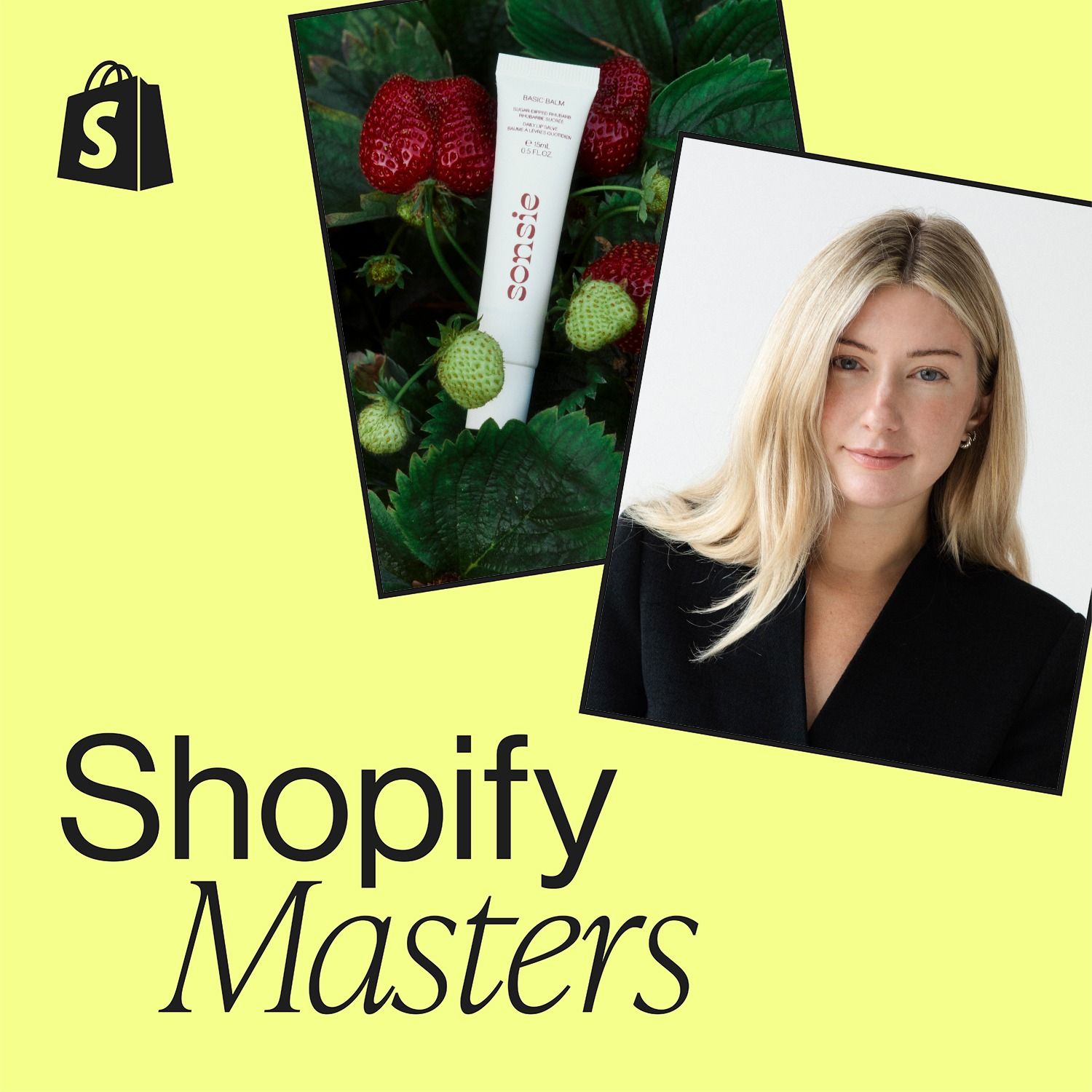
Game-changing sustainable materials, like Sonsie's at-home compostable packaging, already exist. The primary barrier to mainstream use isn't a lack of innovation but slow adoption by brands. Widespread adoption is required to increase manufacturing volume, drive down costs, and make sustainability the standard.
Instead of just listing sustainable features, Wild Rye makes them relatable. To market a ski jacket made from recycled fishing nets, they featured a sponsored athlete who is a commercial fisherwoman in the summer. This created an authentic story that connected the product feature to a real person, making it more tangible and emotionally resonant.