Get your free personalized podcast brief
We scan new podcasts and send you the top 5 insights daily.
When advising a homeless founder, Jason Calacanis rejects the "hustle at all costs" narrative. He stresses applying Maslow's hierarchy of needs: the first step isn't building the product, but getting a marketable skill, a job, and stable housing. The startup can only come after safety is established.

Related Insights
Aspiring founders should resist starting a company until they've experienced multiple full project cycles, from messy conception to messy deployment. This repetition builds an invaluable intuition for timelines, processes, and what 'good' looks like, a crucial foundation for setting credible goals and leading a team.

Don't start by trying to build a massive company. The most successful founders, from Dropbox to Meta, often began by solving a small, tangible problem they personally faced. This process of solving a real problem is the most reliable way to uncover a much bigger, more significant opportunity.
New founders should reframe their first venture as an exercise in building their "founder muscle." By mentally writing it off as a zero, they can reduce the immense pressure and focus on the real goal: learning the craft. This mindset increases the odds of success on a subsequent venture.

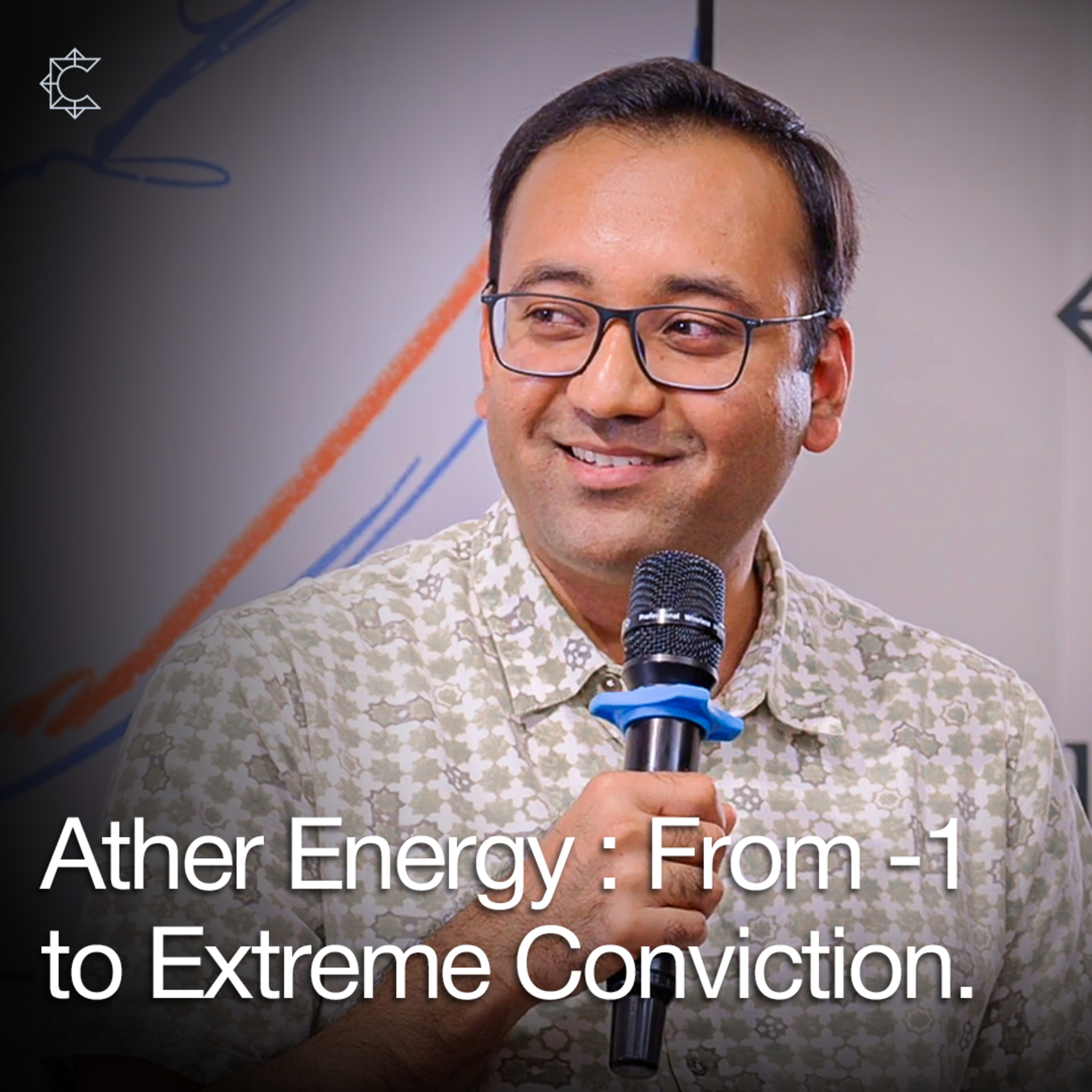
Before officially starting, founders are in a '-1 to 0' phase. Instead of rushing, they should take months or even a year to find a core purpose they can commit to for a decade. This deep conviction provides immense peace, prevents reactive pivots, and sets a stable foundation for the long term.
If you don't have an industry or idea, don't start with product brainstorming. Start by identifying groups of people you'd genuinely enjoy serving. The foundation of a sustainable business is a founder's deep connection to their customer, which provides motivation to solve their problems.

Instead of seeking a soul-fulfilling first venture, focus on a business that pays the bills. This practical approach builds skills and provides capital to pursue your true passion later, without the pressure of monetization.
Don't start with your passion project. Instead, identify a marketable skill that solves a current need and build a profitable, minimum viable business around it. This generates cash flow and an audience that you can leverage later when you pivot to your true passion.

Instead of searching for a market to serve, founders should solve a problem they personally experience. This "bottom-up" approach guarantees product-market fit for at least one person—the founder—providing a solid foundation to build upon and avoiding the common failure of abstract, top-down market analysis.

Don't force your passion to be your profession immediately. Instead, chase a profitable business idea first. This approach builds fundamental business skills and financial resources. Once you have a stable foundation, you can afford to pursue your passion with greater freedom.
The true test for a viable entrepreneurial idea isn't market potential, but whether your passion for it can rationally justify the inevitable personal costs. If you cannot justify losing sleep, time with friends and family, and other enjoyments, the idea isn't strong enough to sustain you through the difficult journey.
