Get your free personalized podcast brief
We scan new podcasts and send you the top 5 insights daily.
The play's forced marriages are not a happy resolution but a pragmatic compromise. Shakespeare suggests this is the only way to prevent the characters from dying or killing themselves, framing the seemingly unhappy ending as a work of practical, necessary governance.

Related Insights
Societies with rampant polygyny suffered from "young male syndrome"—a surplus of unpartnered men causing chaos. Adopting monogamy as a cultural norm gave these men a stake in society, redirecting their energy from competition and violence towards family and community building, ultimately allowing those cultures to flourish.

Major philosophical texts are not created in a vacuum; they are often direct products of the author's personal life and historical context. For example, Thomas Hobbes wrote 'Leviathan,' which argues for an authoritarian ruler, only after fleeing the chaos of the English Civil War as a Royalist. This personal context is crucial for understanding the work.

The dramatic tension in 19th-century novels hinges on the near-impossibility of divorce. Marriage was an irreversible, high-stakes decision, making courtship the central drama. The speaker jokes that while liberal divorce laws benefited society, they were "very bad for the English novel" because they removed this fundamental, life-altering conflict.
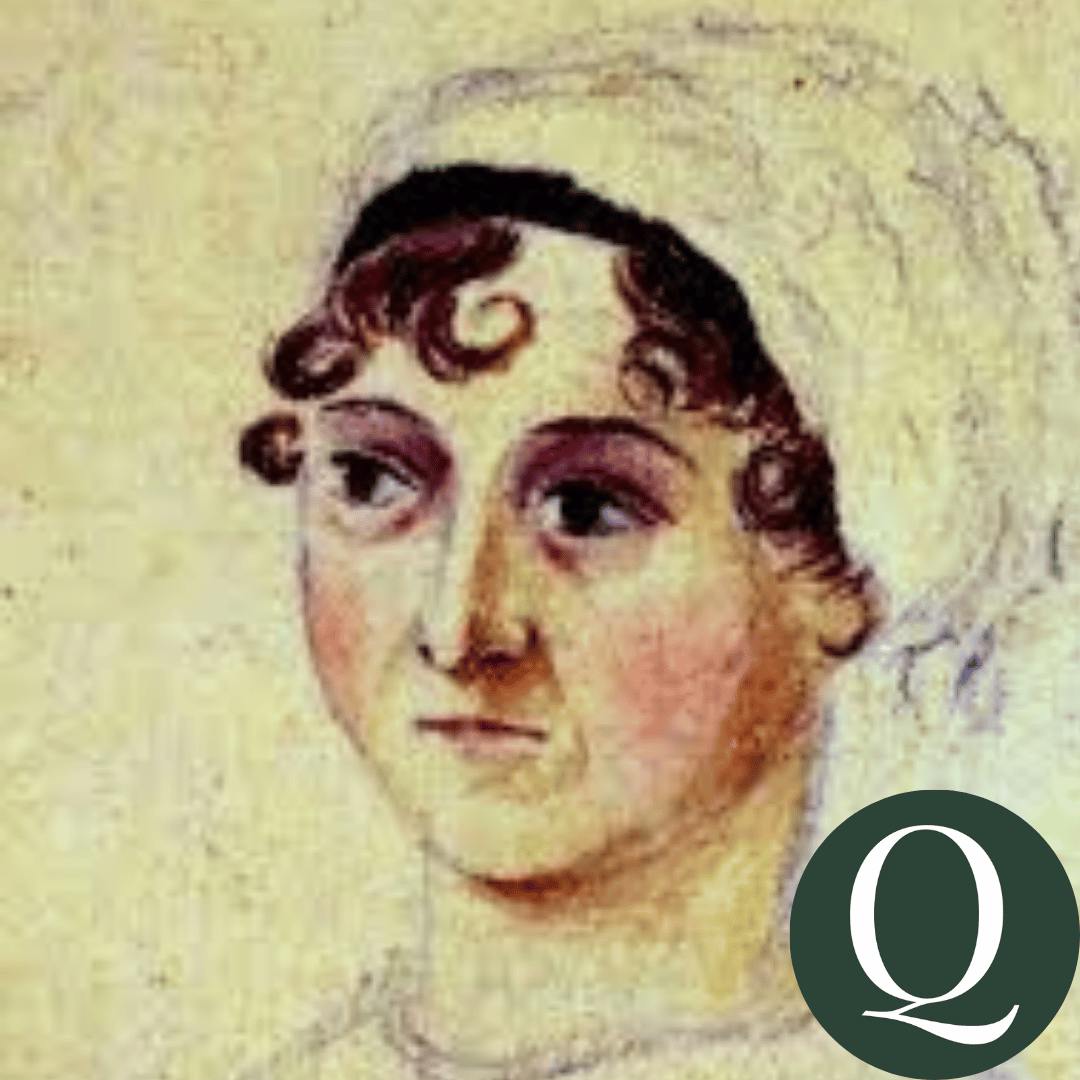
The true horror of Charlotte Lucas's sensible marriage to the idiotic Mr. Collins in 'Pride and Prejudice' is revealed through a subtle, euphemistic announcement of her pregnancy. This easily missed detail forces the reader to confront the unspoken sexual reality of their transactional union, a shocking element hidden in plain sight.
Historically, marriage was a pragmatic institution for resource sharing, political alliances, and acquiring in-laws. The now-dominant concept of marrying for love and personal attraction is a relatively recent cultural development, primarily from the 18th and 19th centuries.

Contrary to the belief that Shakespeare wrote purely for the stage, he was highly aware of his reading audience. He knew people copied speeches for pirated anthologies and that his plays were sold as quartos, so he intentionally included passages for a literate elite who would dissect the text.
The play explores a "fertility crisis" where the state requires a population to exist. Isabella's dilemma and forced marriage are framed as being pushed into the "sex market" for demographic reasons, as shutting down brothels means even virtuous women must procreate to sustain the state.
Modern audiences struggle with Shakespeare because hundreds of words have subtly changed meaning over 400 years (e.g., 'generous' meant 'noble'). This cumulative semantic drift makes the original text functionally a different language, requiring prior study, not just cultural appreciation, to understand.
The Greeks used tragedy to foster kindness. By watching decent people fall due to small mistakes, audiences felt pity for the character and fear for themselves. This recognition of shared human fallibility, which Aristotle identified, is a powerful path to empathy.

A feminist reading suggests the play's Christian "measure for measure" standard, when applied literally, crushes its main female character, Isabella. Her expectations are violated and she ends up in a forced marriage, highlighting the system's inherent gender bias and making it a skeptical critique of Christianity.