Get your free personalized podcast brief
We scan new podcasts and send you the top 5 insights daily.
Contrary to the belief that Shakespeare wrote purely for the stage, he was highly aware of his reading audience. He knew people copied speeches for pirated anthologies and that his plays were sold as quartos, so he intentionally included passages for a literate elite who would dissect the text.

Related Insights
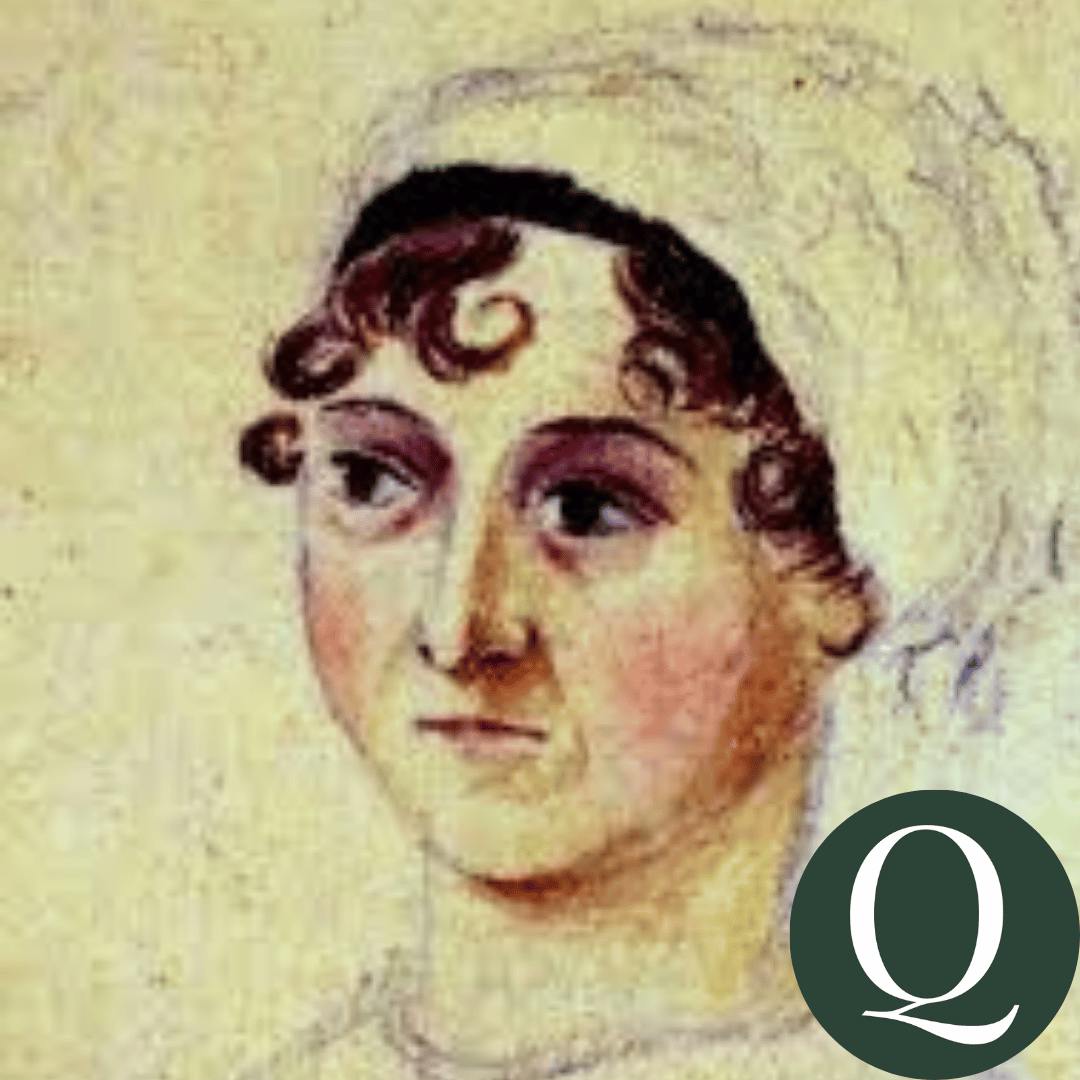
To make early novels feel like true accounts, authors like Jane Austen used em dashes to redact sensitive information like names or locations. This stylistic choice mimicked protecting real identities, adding a layer of authenticity and intrigue for readers.

The art of great storytelling lies not just in the conclusion but in the skill of prolonging the journey. The creator knows the ending but strategically uses red herrings and tension to keep the audience engaged and away from the truth for as long as possible.

In a move of supreme confidence, Austen sometimes concludes a chapter with a definitive statement from a character's perspective that the reader must discern is completely false. The line 'Her power with him was gone forever' in 'Persuasion' is the opposite of the truth, a trick that rewards attentive readers.
When knowledgeable readers disagree on a novel's interpretation, the root cause is often a fundamental divergence in their innate temperaments. Authors deliberately leave ambiguity, which allows readers' pre-existing dispositions—such as a desire for controversial readings—to shape their conclusions.
While reading great literature is essential, analyzing poorly written books can be a more effective learning tool for writers. The flaws in craft are more visible, allowing an aspiring writer to deconstruct the mechanics of storytelling and see how a narrative works (or doesn't).

An ancient tablet recounting the flood story omits phrases like "he said," which are standard in later texts. This suggests it was a script for a live narrator performing different character voices, capturing literature at the exact moment it was transitioning from oral performance to written text.

Unlike watching a movie as an observer, reading makes you embody the character, lighting up the brain as if you're living their experiences. This unique power to generate deep empathy is why books face such intense banning efforts from those who want to control who children empathize with.
Modern audiences struggle with Shakespeare because hundreds of words have subtly changed meaning over 400 years (e.g., 'generous' meant 'noble'). This cumulative semantic drift makes the original text functionally a different language, requiring prior study, not just cultural appreciation, to understand.
Playwrights like Shakespeare used the em dash to guide actors on performance. It visually represented aposiopesis—speech deliberately broken off—to show thinking pauses, interruptions, or shifts in thought, adding a new layer of expressiveness to written dialogue.
To master writing, one should physically copy out well-written articles, similar to how a music student transcribes a composer's score. This practice forces an intimate understanding of the author's choices in syntax, rhythm, and sentence structure.