Get your free personalized podcast brief
We scan new podcasts and send you the top 5 insights daily.
The key to effective ads was visually demonstrating the app's core feedback loop: a user misspeaking, the app instantly catching it with color-coded highlights, and then turning green on a corrected attempt. This visual proof of efficacy was more powerful than just describing benefits.

Related Insights
Breeze's most effective ads are raw, unedited videos of the founder. In one example, he filmed himself calling a customer to refund their $560 order after a coin flip. That single ad cost $560 to make but generated an estimated $500,000 in sales, proving authenticity trumps production value.

The most powerful audio ads don't just describe a product; they use sound to evoke a sensory experience. As with Coca-Cola's classic ad featuring a can opening and pouring over ice, specific sounds can create a vivid mental picture, making visuals unnecessary.

AI can now analyze video ads frame by frame, identifying the most compelling moments and justifying its choices with sophisticated creative principles like color theory and narrative juxtaposition. This allows for deep qualitative analysis of creative effectiveness at scale, surpassing simple A/B testing.

The emotional state you're in when recording a video ad is directly transferred to the viewer. You cannot fake excitement or encouragement. Be self-aware and only record when you genuinely possess the energy you want the audience to feel. A technically perfect script will fail if delivered with low energy.
Don't save your best proof points for the end of an ad. To combat distraction, establish authority immediately by stating a powerful credibility marker—like running an eight-figure business or having an Inc. 5000 award—in the first few seconds. This frames the rest of your message and compels the audience to listen.
Top creators like Mr. Beast relentlessly A/B test thumbnails and video intros to maximize views. AI video platforms now bring this data-driven experimentation to SMBs, allowing them to rapidly test variations of spokespeople, demographics, and creative elements to optimize ad performance.

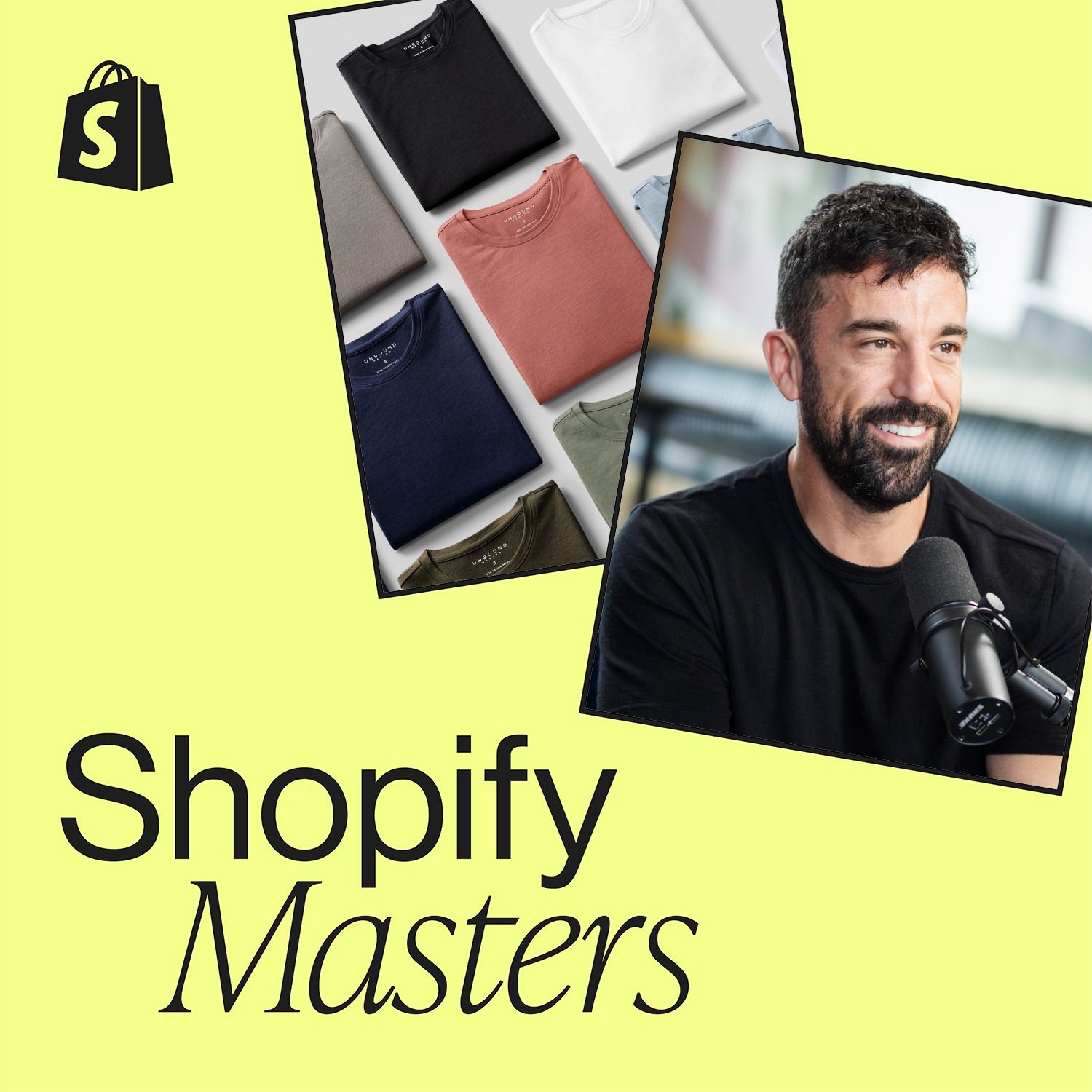
The CEO of Unbound Merino found that his most polished, creative ads often underperformed. Conversely, ads he felt were cheesy or made him uncomfortable—specifically, founder-led videos—were highly effective, showing that authenticity can trump production value.
While OpenAI and Anthropic ran abstract, niche, or philosophical ads, Google demonstrated a tangible, heartwarming use case for its AI (planning a room remodel). For a mainstream Super Bowl audience unfamiliar with the technology, showing a simple, delightful product experience is far more effective than trying to explain complex concepts or engage in industry inside jokes.
When asked to create an ad about Ramp's cutting-edge development team, the speaker ignored abstract concepts like "sprint cycles." Instead, he told the story of a uniquely brilliant developer named Calvin. This approach makes technical superiority relatable and memorable by focusing on a real person, not an impersonal process or feature.

Businesses often conclude static images work better than video after A/B testing. This is typically because their video ads are poorly made. A high-quality, engaging video will beat a high-quality image, but a good image will always beat a bad video. The problem is creative execution, not the format itself.
