Get your free personalized podcast brief
We scan new podcasts and send you the top 5 insights daily.
The PLA's 2027 objectives are defined by three specific pillars: "strategic counterbalance" (keeping the US out), "strategic decisive victory" (winning a Taiwan conflict), and "strategic deterrence and control" (stabilizing the periphery). Understanding this framework is key to deciphering their priorities.

Related Insights
The ultimate global competition is for AI supremacy. Realizing the US has an advantage due to its access to advanced chips, China views controlling Taiwan's semiconductor industry not just as a territorial goal, but as a critical step to winning the AI race.

China's showcase of advanced military hardware, like its new aircraft carrier, is primarily a psychological tool. The strategy is to build a military so 'forbiddingly huge' that the US would hesitate to engage, allowing China to achieve goals like reabsorbing Taiwan without fighting. This suggests their focus is on perceived power to deter intervention.

China has built full-sized replicas of key government buildings in Taiwan's capital, including the presidential office. Military drills at these sites focus on capturing or killing Taiwan's leadership in the first hours of a war, revealing a clear "decapitation strike" strategy designed to achieve a swift victory before outside intervention is possible.
The PLA's nuclear expansion is a defensive strategy to achieve "strategic counterbalance." The goal is to build a secure second-strike capability (a "nuclear shield") that makes any US nuclear first strike untenable, thereby deterring American intervention in a conventional regional conflict.
The 2027 readiness target for a Taiwan invasion was always a 'no earlier than' date. Recent, widespread purges of top military leaders over command and control issues mean the PLA will likely not be ready, pushing the feasible timeline to 2028 or later.

Xi Jinping's widespread purges, aimed at consolidating power and rooting out corruption, have hollowed out the People's Liberation Army's experienced leadership. This creates a significant capabilities gap and operational readiness problem, potentially jeopardizing the military's ability to meet Xi's own 2027 deadline for being capable of invading Taiwan.
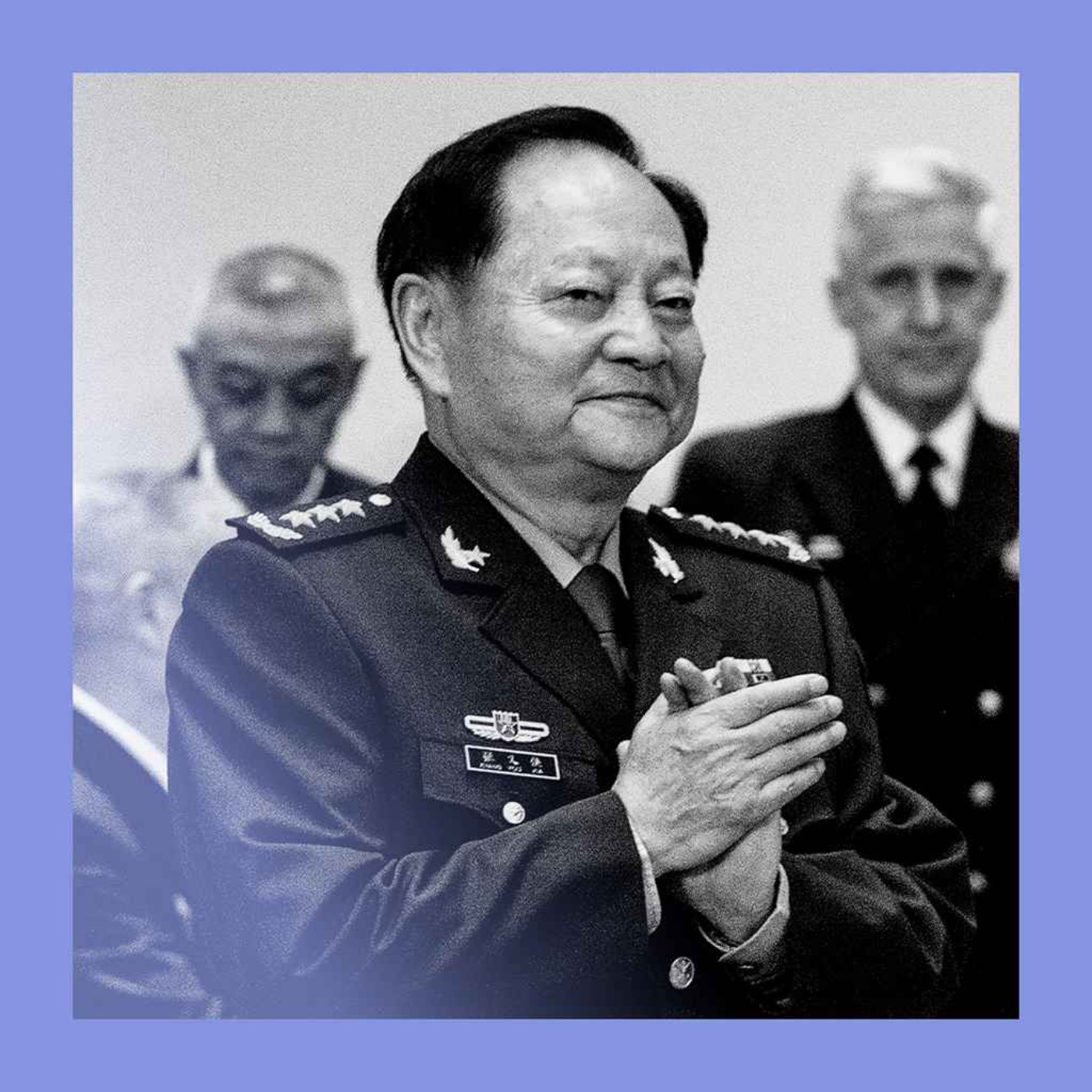
Analyzing public PLA doctrine offers a unique window into their strategic thinking and perceptions. This "big picture" view complements the granular, technical detail found in classified intelligence, which often focuses on specific capabilities while missing the broader strategic intent.
The PLA's 2027 goal is widely misconstrued as a specific invasion date. In reality, it represents a milestone for achieving key military capabilities—creating the *option* to invade, not a scheduled plan. This shifts the focus from a ticking clock to countering specific PLA developments.
The widely cited 2027 date for China to be ready to invade Taiwan is an American intelligence assessment, not a public Chinese declaration. It aligns with the PLA's internal modernization deadline for achieving "intelligentised warfare" capabilities, including AI and advanced networks.

China concentrates its diplomatic and military resources on regions crucial to its core interests—its immediate neighbors like Taiwan and Japan. This long-standing "periphery diplomacy" explains its choice to use economic leverage, rather than direct intervention, in more distant conflicts like Iran.
