Get your free personalized podcast brief
We scan new podcasts and send you the top 5 insights daily.
The 2027 readiness target for a Taiwan invasion was always a 'no earlier than' date. Recent, widespread purges of top military leaders over command and control issues mean the PLA will likely not be ready, pushing the feasible timeline to 2028 or later.

Related Insights
By removing his most experienced commanders, Xi has reduced China's short-term operational readiness for a Taiwan conflict. However, the new generation of promoted generals could be more loyalist "wolf warriors," increasing long-term belligerence.

Xi Jinping's sweeping purge of senior military leaders, including those in charge of nuclear and missile forces, has hollowed out the PLA's command structure. This internal instability and lack of experienced leadership strongly suggest that China is not prepared for a major military operation, such as an invasion of Taiwan, in the immediate future.
Despite ambitions for 2027, China is currently ill-positioned for an immediate invasion of Taiwan. The combination of disrupted energy supplies, a fragile domestic economy, and internal military purges by Xi makes a large-scale, energy-intensive conflict strategically unwise at this moment.

Xi Jinping's widespread anti-corruption purges have hollowed out the People's Liberation Army's top leadership, including heads of its critical missile forces. This internal instability and leadership vacuum strongly suggest that China's military is not prepared for a major, complex operation like an invasion of Taiwan in the near future.

Xi Jinping's widespread purges, aimed at consolidating power and rooting out corruption, have hollowed out the People's Liberation Army's experienced leadership. This creates a significant capabilities gap and operational readiness problem, potentially jeopardizing the military's ability to meet Xi's own 2027 deadline for being capable of invading Taiwan.
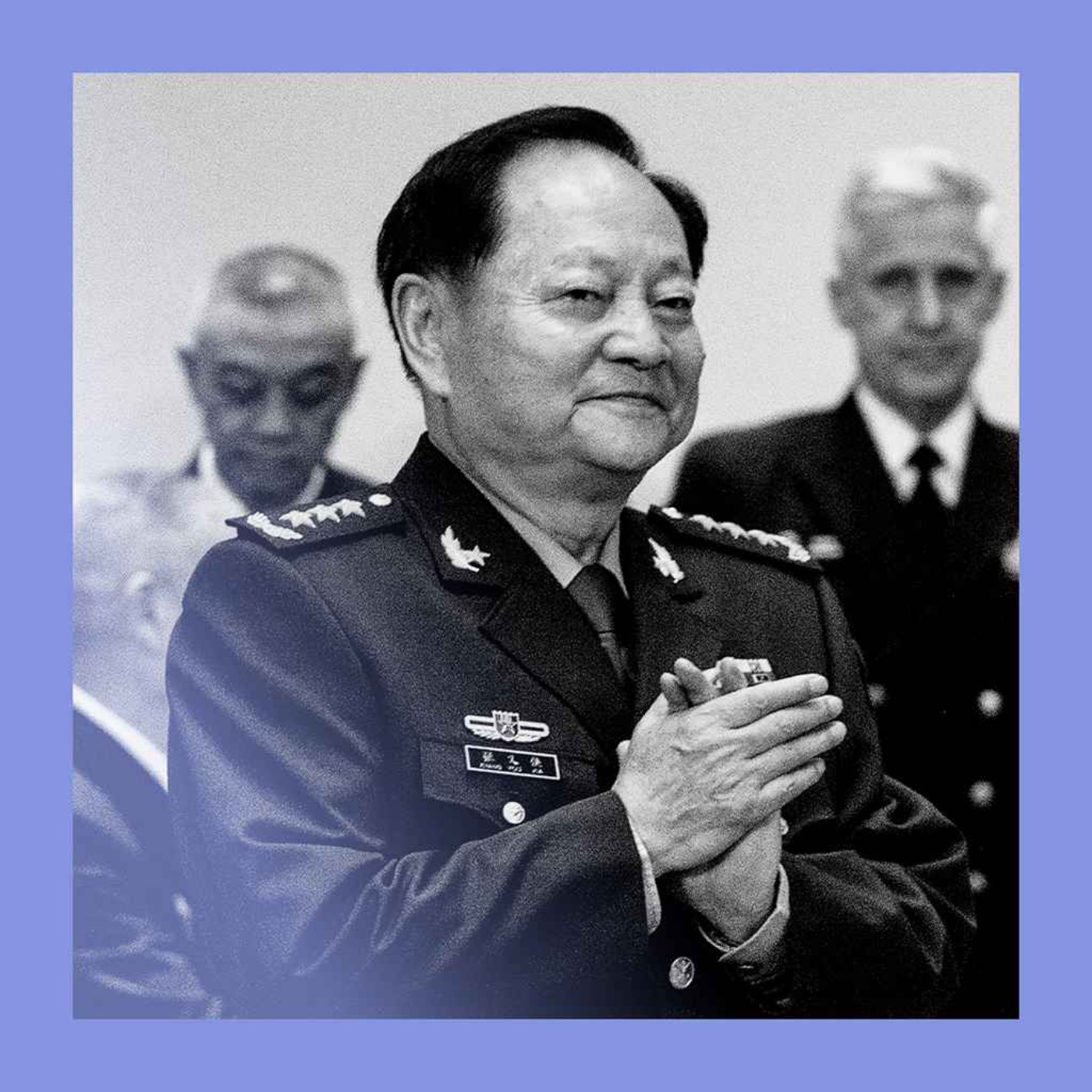
Contrary to widespread fear, the probability of a Chinese invasion of Taiwan before 2028 is extremely low (~5%). China believes its goal of 'peaceful reunification' is progressing, its military is in disarray after deep purges, and it views President Trump as an accommodating US leader on the Taiwan issue.

The official narrative of China's top general leaking nuclear secrets is likely a cover for a deeper power struggle between President Xi and the military establishment. The ongoing purges are a sign of internal conflict for control, making an invasion of Taiwan less likely due to a destabilized command structure.

Xi Jinping's willingness to decapitate his military leadership suggests he feels secure about the external environment. He perceives no immediate crisis over Taiwan, giving him the political space to conduct a thorough and disruptive internal consolidation.
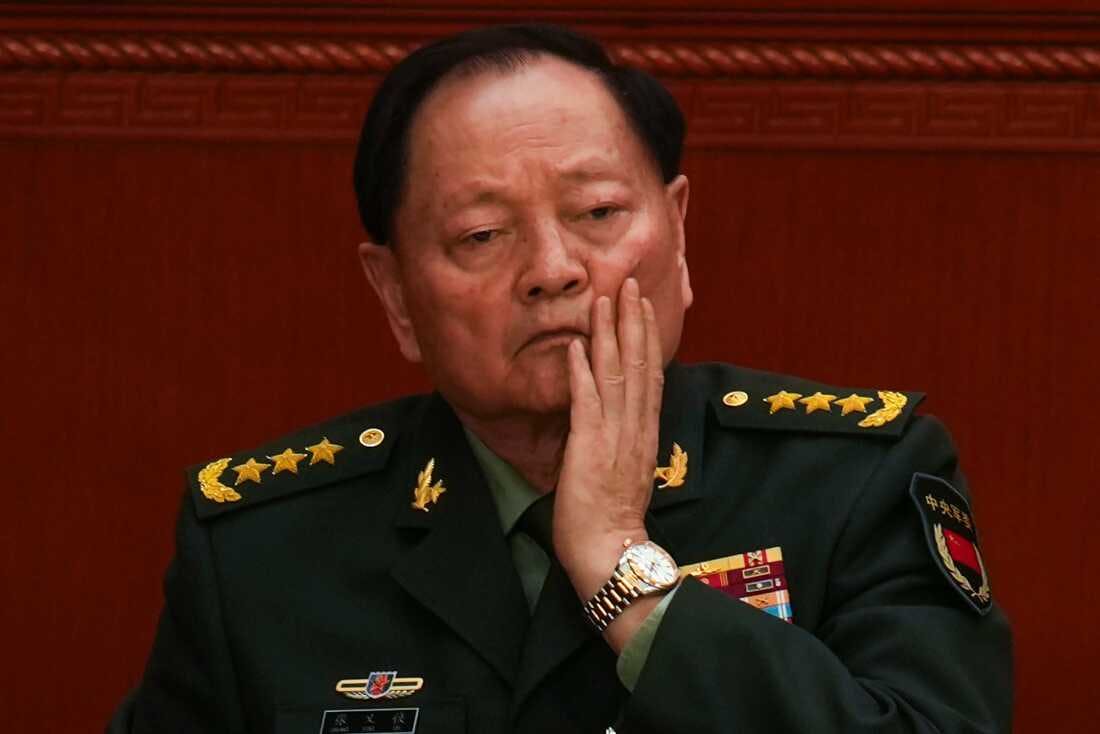
The recent purges have wiped out an entire generational cohort of PLA leaders, not just individuals. This creates a significant succession crisis and leadership vacuum, forcing Xi to promote a new, untested generation of officers with whom he has no established trust.
China currently believes its strategy of coercion against Taiwan is succeeding, making a near-term military invasion unlikely. However, 2028 is a critical year. If Taiwan's pro-independence party wins re-election, Beijing may reassess its strategy and consider more dramatic military action.