Get your free personalized podcast brief
We scan new podcasts and send you the top 5 insights daily.
By stocking his fridge like a high-end vending machine with products he's invested in or considering, Sharma gets direct, unfiltered feedback from guests. This turns his home into a constant, low-cost market research lab to test products and gather authentic copy for landing pages.

Related Insights
To truly understand customers, go to their natural environment—their home or shop. Observing their context reveals far more than sterile office interviews. This practice, internally branded "Listen or Die," ensures the entire team stays connected to the user's reality.
Instead of paying for traditional focus groups, early-stage founders can post product ideas, like packaging designs, on social media. This provides an instantaneous and free feedback loop directly from potential customers, enabling rapid, data-informed iteration before committing to costly production.
In the early stages, the primary benefit of producing a dozen videos a week isn't just marketing; it's accelerated learning. This high volume of output generates rapid feedback, allowing founders to quickly discover which pain points, use cases, and messaging angles truly resonate with their audience.

Founder Amanda Bradford used informal 'wine nights' with target users for customer research. This casual setting generated crucial feedback, like reordering the app's onboarding flow, proving that valuable insights don't require a formal, 'scientific' process to be effective.
For new food brands with a great product, the highest ROI comes from getting people to taste it. Self-funded companies can leverage their longer timeline to build a loyal customer base through a robust sampling program, delaying expensive and less effective paid media buys.

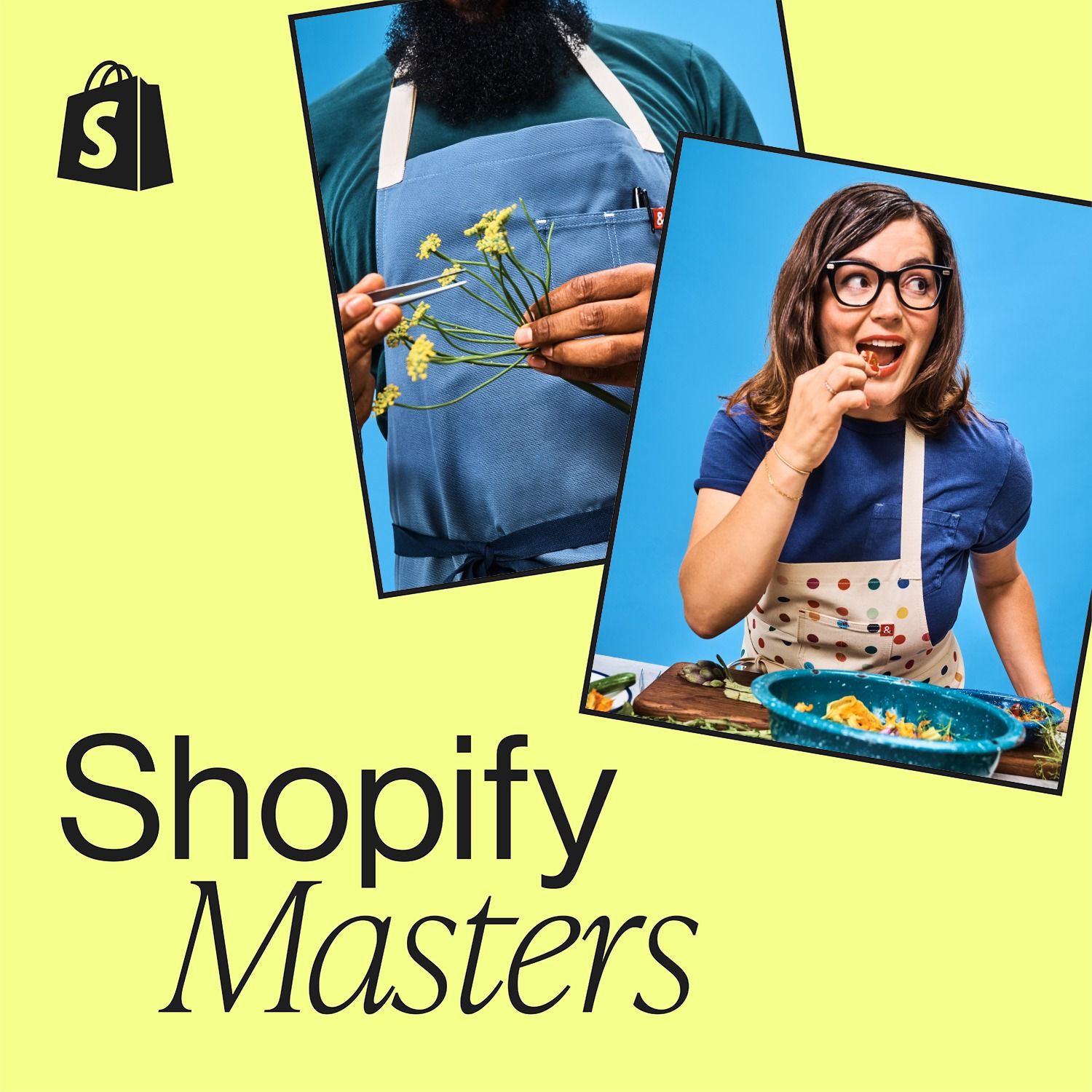
Hedley & Bennett founder Ellen Bennett, a line cook herself, used top chefs as a real-time focus group. By asking her target audience directly what was wrong with existing products and what they needed, she gathered all the building blocks to create a superior product without formal R&D.
An unconventional distribution model, like in-person park drops, is a strategic tool for early founders. It creates a rare opportunity for direct, face-to-face feedback on product and purchasing motivation before scaling into retail channels where that intimate customer connection is lost.
Instead of traditional, costly focus groups, founders can leverage Large Language Models (LLMs) to conduct "synthetic research." These tools can simulate consumer reactions to brand names, providing rapid, low-cost feedback to guide decision-making.
To ensure market fit, Kōv Essentials records TikTok videos unboxing manufacturing samples and directly asks for community feedback on the design. For products the founder can't personally test, they send samples to a dedicated test group of customers, building hype and de-risking new product launches.
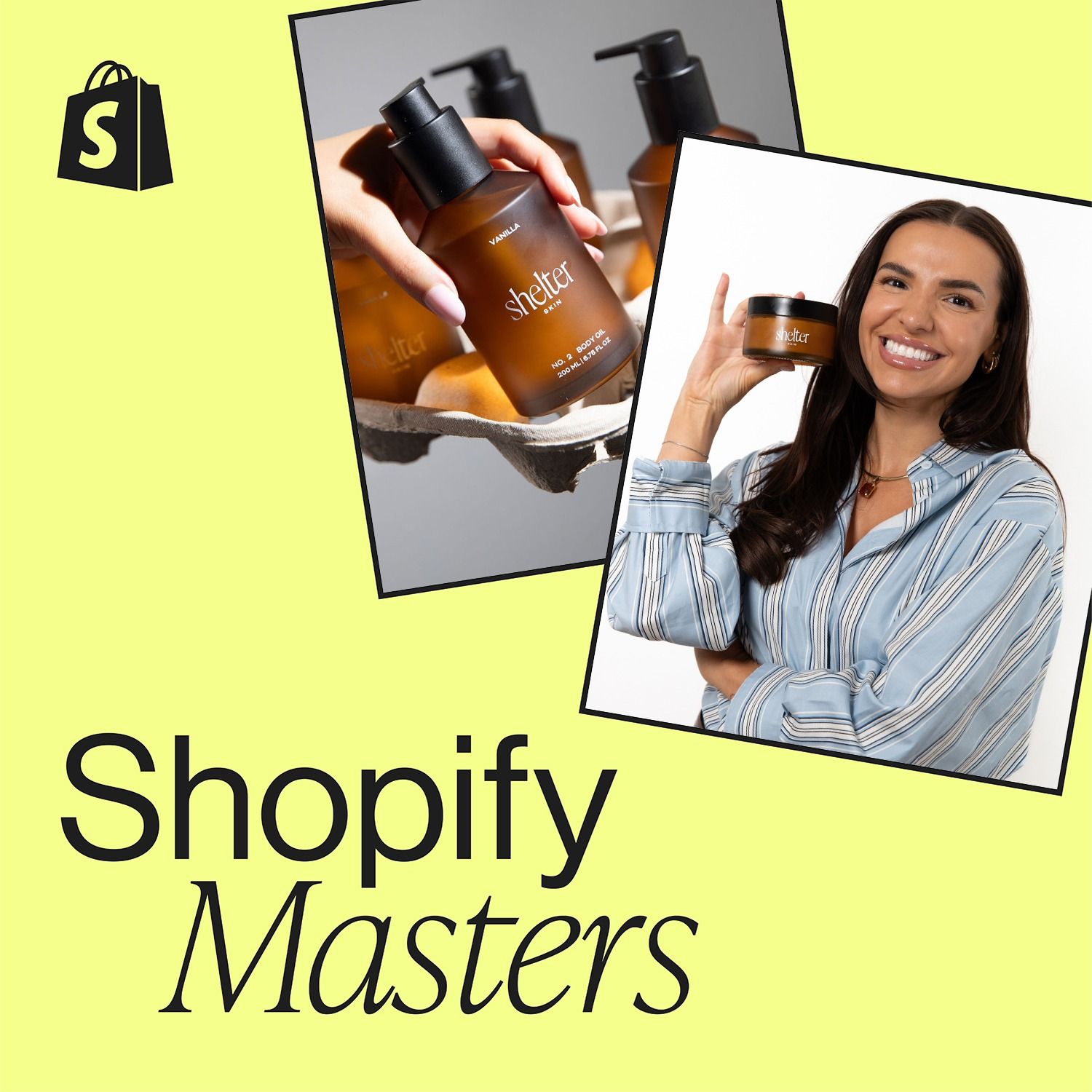
Shelter Skin's founder uses her personal Instagram following as a real-time focus group. By posting polls about packaging and product details, she gets immediate data from her ideal customers, eliminating the cost and time of traditional market research and fostering community co-creation.