Get your free personalized podcast brief
We scan new podcasts and send you the top 5 insights daily.
For McCartney, songwriting is a therapeutic dialogue. He describes taking a guitar into a private room as akin to seeing a psychiatrist, where the instrument helps him process complex emotions and "talks back" by revealing a song, as it did after his mother's death.

Related Insights
Springsteen directly links the emotional neglect of his youth to the relentless drive in his music. He describes his career as a 'desperate, lifelong effort to rebuild' a sense of home, turning deep-seated pain into his primary source of creative fuel.

Long before it was a mainstream topic, Bugsy Malone used rap to “transcend depression.” By vocalizing his struggles, he connected deeply with an audience that felt seen and understood, proving that authentic vulnerability resonates regardless of societal trends.

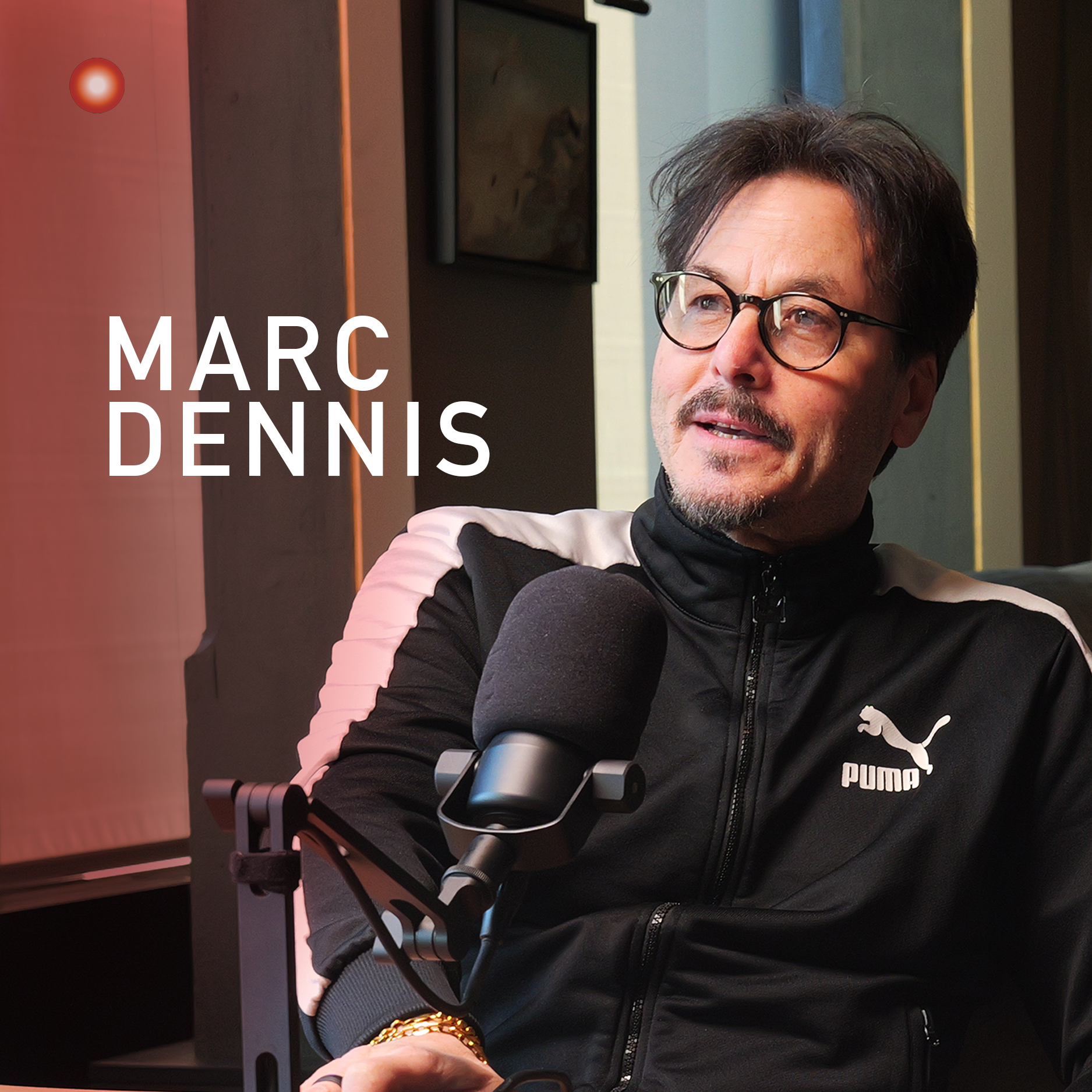
Artist Marc Dennis started writing his memoir not for an audience, but as a way to communicate with his younger brother after he passed away. This deeply personal, therapeutic act of writing daily letters evolved into a broader collection of life stories and memories, born from grief rather than ambition.
Artists can become emotionally detached from their own work over time. Experiencing profound personal hardship, while devastating, can be a 'gift' that forces a reconnection with the visceral emotions their music explores. This allows them to see their art through the fans' eyes again, understanding the catharsis their audience experiences on a much deeper level.
Matthew McConaughey reveals a paradoxical use of writing. He initially journaled "so I could forget," clearing his mind. Decades later, he published those same entries to "remember" and reconnect with his core beliefs, using the process as a form of self-therapy to combat his own doubt.

Listening to sad music when you're sad isn't self-indulgent; it's therapeutic. It stimulates the brain's right hemisphere, which processes aesthetics, helping you to better understand your confusing emotions and facilitating the healing process.
McGraw recorded "Live Like You Were Dying" at 2 a.m. only after seeing his grieving uncle. He felt a specific "melancholy" and "magic in the air." This illustrates that great creative work often depends on recognizing and acting upon a specific, unrepeatable emotional moment.

The Beatles and their peers didn't read or write music. Instead, they relied on a peer-to-peer system of sharing chords and riffs—a direct "mind to mind" transfer of ideas. This informal, oral tradition allowed for rapid, intuitive creation and collaboration, bypassing formal structures.
The collective trauma of WWII bombings forced Liverpudlians to develop resilient humor to cope. McCartney explains this cultural trait was inherited by The Beatles and became a key part of their public identity, allowing them to disarm the press and connect with audiences globally.
Paul McCartney notes that while he found subjects like Shakespeare boring in grammar school, the concepts he learned—like the structure of a rhyming couplet—later seeped into his songwriting. This shows how formal education, even when unappreciated, can provide a latent framework for future creative breakthroughs.