Get your free personalized podcast brief
We scan new podcasts and send you the top 5 insights daily.
Non-strategic capital is just a transaction. A strategic investor, however, becomes a partner who can accelerate growth through their network, expertise, and credibility. This alignment is critical because bringing on an investor is like a marriage; they must add more value than just their check.

Related Insights
In a non-control deal, an investor cannot fire management. Therefore, the primary diligence focus must shift from the business itself to the founder's character and the potential for a strong partnership, as this relationship is the ultimate determinant of success.

To sell a company from a position of weakness, first secure a strategic partnership. This creates dependency and leverage, reframing the eventual acquisition talk around a proven, shared success rather than a failing business.
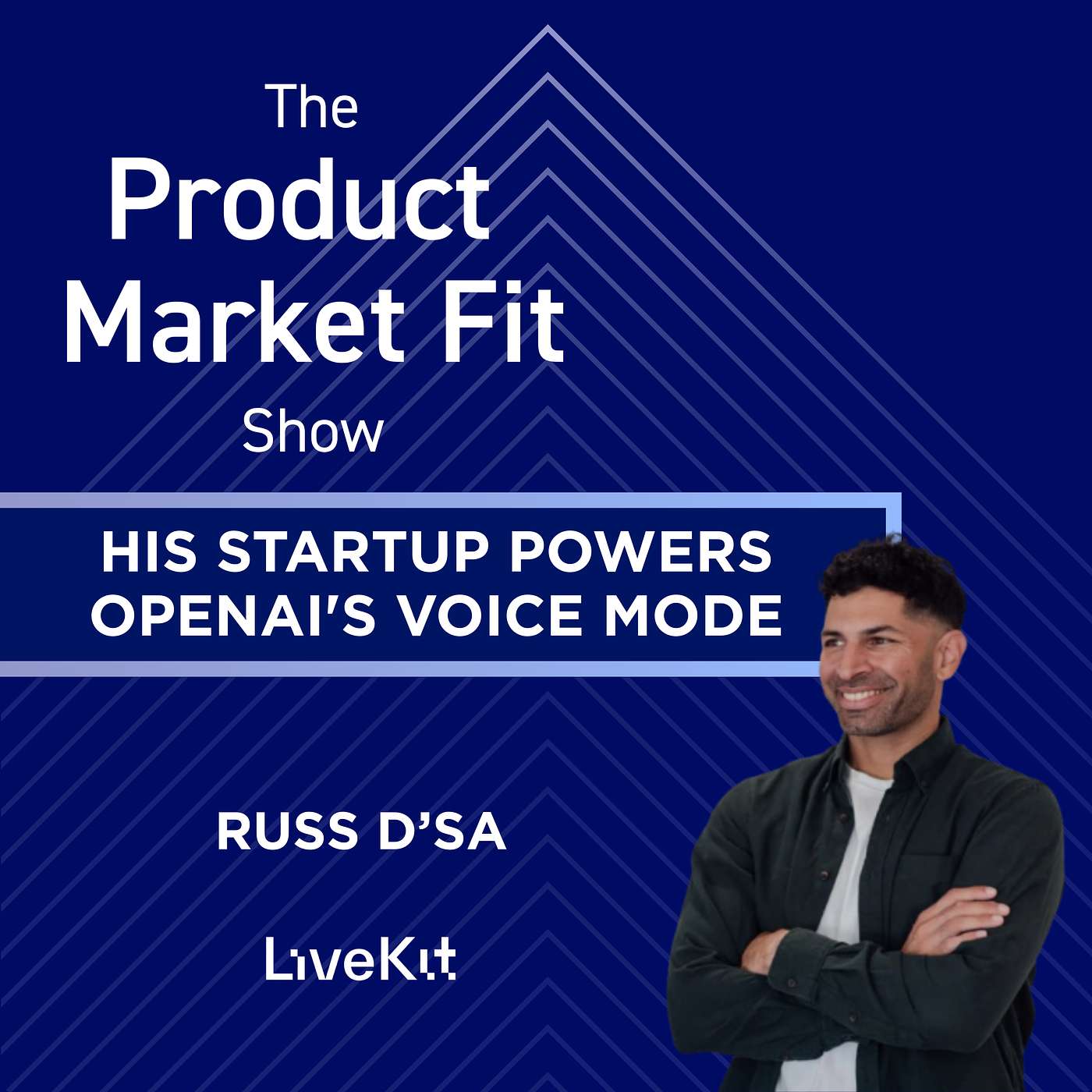
Value-add isn't a pitch deck slide. Truly helpful investors are either former operators who can empathize with the 0-to-1 struggle, or they actively help you get your first customers. They are the first call in a crisis or the ones who will vouch for you on a reference call when you have no other credibility.

Founders should press VCs on how they specifically envision working together. A strong investor can articulate a nuanced plan tailored to the team's unique needs and the founder's working style, moving beyond a generic menu of services to show true alignment and understanding of the business's goals.
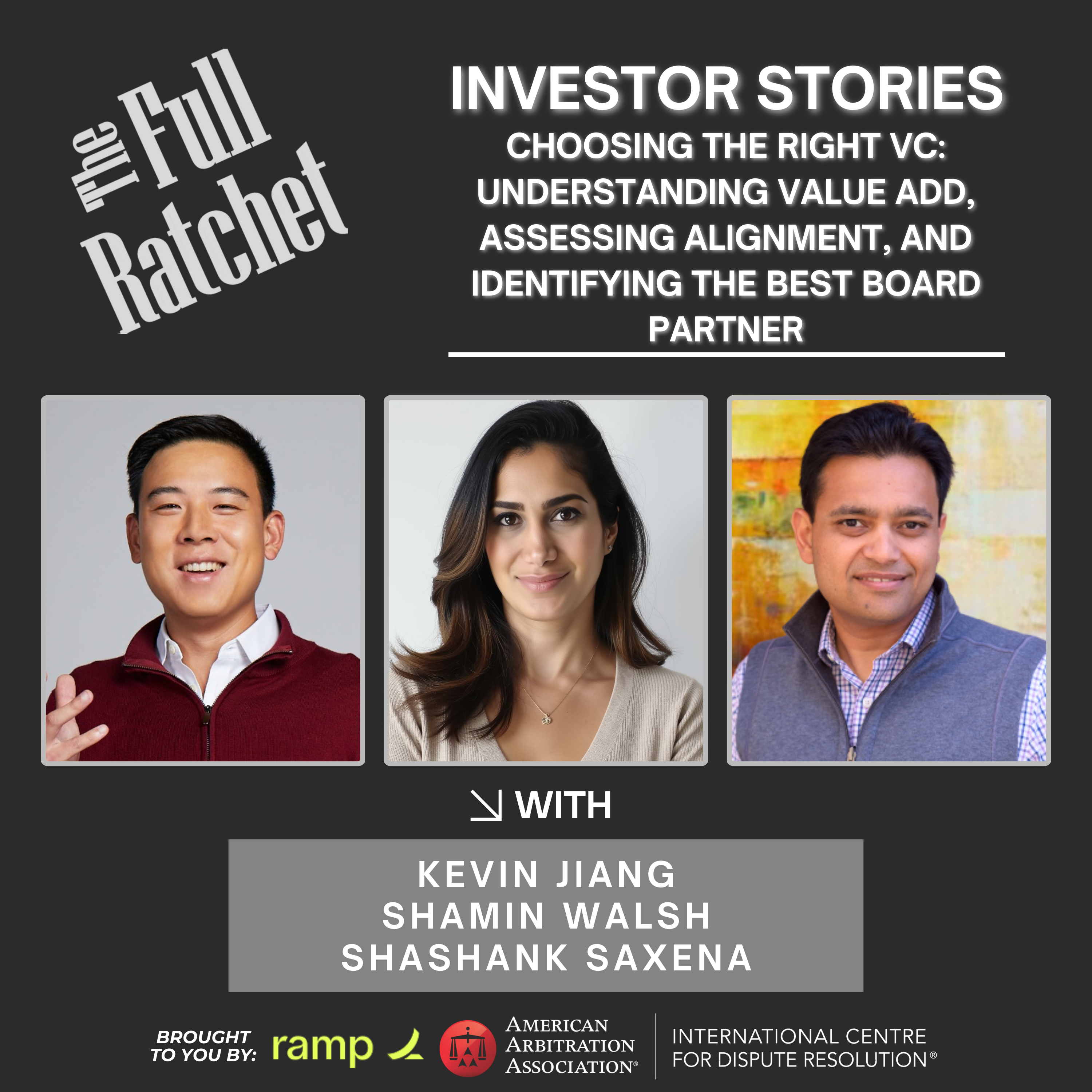
When fundraising, the most critical choice isn't the VC fund's brand but the specific partner who will join the board. Sophisticated founders vet the individual's strengths, weaknesses, and working style, as that person has a more direct impact on the company than the firm's logo on a term sheet.
The ideal founder-investor dynamic is built on a shared, unique vision—like being "in on a secret together." When an investor deeply believes in a startup's specific approach, it fosters the trust needed for radical honesty about challenges, which in turn unlocks their network and resources for help.

Seeking "strategic capital" from customers who have their own innovation funds creates powerful alignment. This model makes the customer an investor, providing direct feedback on product implementation and scaling while allowing them to share in the financial upside, ensuring a mutually beneficial partnership.
Reframe the pitch meeting from a judgment session to a mutual evaluation. Founders are selecting a partner for 7-10 years and must assess the investor for chemistry and fit, rather than just seeking capital from a position of need.

During due diligence on a venture firm, asking portfolio founders why they chose that investor is critical. If the answer is simply "they had money," it implies the VC offers no strategic value—like recruiting help or corporate relationships—and is not a top-tier partner.

While getting a design partner to pay is good validation, getting them to invest in your company is the ultimate form of commitment. This aligns incentives at the deepest level, ensuring you get consistent, high-quality feedback and strategic support from top decision-makers.
