Get your free personalized podcast brief
We scan new podcasts and send you the top 5 insights daily.
Don't try to create entirely new consumer behaviors. Rohan Oza's fund, Carvu, focuses on identifying huge, established categories like soda or pet food and creating an elevated, "better-for-you" version. This strategy leverages existing demand while offering a premium alternative.

Related Insights
Rohan Oza's market research is simple yet effective: he wanders grocery aisles, looking at each category and asking what he wouldn't personally buy due to poor ingredients or outdated branding. The numerous "no's" represent market opportunities for better, upgraded products.
Fruitist achieved a $1 billion valuation by transforming the blueberry from a supporting ingredient into a standalone snack or meal replacement. By engineering a jumbo-sized, consistent product, they created a new product category and unlocked premium pricing.

A market can seem established, but if existing products are visually unappealing and fail to create an emotional connection, a new entrant can win purely on branding and packaging that captures attention and meets a consumer's need state.

After investing in a struggling apple cider vinegar drink on Shark Tank, Rohan Oza immediately shut down the original company. He then co-founded Poppy, completely rebranding the name, packaging, and positioning it as a "modern soda," leading to a multi-billion dollar exit.
Eric Ryan knew Method couldn't compete as just another cleaning brand against giants like P&G. Instead, he created the "premium home care" category, which blended design, sustainability, and fragrance. This prevented incumbents from simply extending their existing product lines to compete directly.

According to Shopify's President, the key to building the next wave of billion-dollar brands isn't capturing a slice of an existing market, but creating a new one entirely. Brands like Skims and Gymshark succeeded by redefining their categories (shapewear, athletic apparel), effectively creating new TAM rather than just competing for it.

A smart growth strategy is to ignore fleeting micro-trends and instead focus on proven bestsellers. By creating variations and expanding on successful designs, brands can develop entirely new product categories based on existing customer love.

Spot & Tango entered the massive ($40B) and crowded dog food market. The founder saw this not as a threat, but an opportunity. The market's huge size and lack of a single 'category killer' meant there was ample room for a differentiated brand to succeed.

The founders identified a mismatch between the modern, Gen Z pickle consumer on TikTok and the outdated, homogenous branding on store shelves. By targeting a neglected category with bold design and unique flavors, they faced less competition and stood out to both consumers and retail buyers.

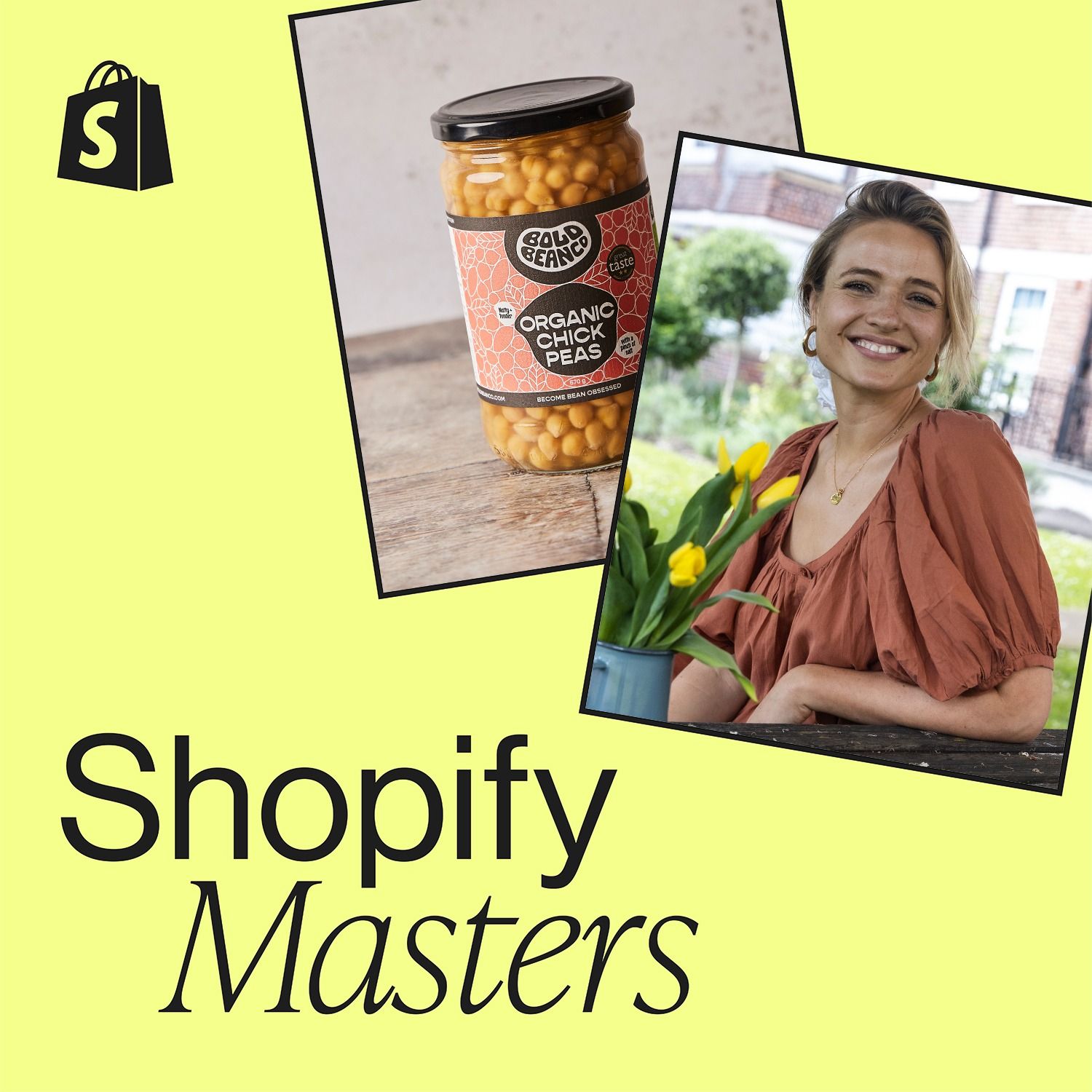
Bold Bean Co. found that creating a premium product in a "forgotten, dull" category like beans was a strategic advantage. The novelty makes consumers talk. People find it entertaining to become obsessed with beans, generating more word-of-mouth than launching yet another premium chocolate brand.