Get your free personalized podcast brief
We scan new podcasts and send you the top 5 insights daily.
Ideas are developed systematically. Podcasts explore nascent questions (rehearsals). A developed idea becomes a Substack column to test a thesis (preview). A collection of successful theses forms a book, which in turn becomes the primary currency for lucrative speaking engagements.
Related Insights
The primary value of a company podcast isn't its audience size. Instead, view each long-form episode as an inexpensive production day that generates a wealth of raw footage. This material can then be sliced into dozens of short clips to fuel a high-volume organic social media strategy.

Instead of struggling to write a blog post alone, discuss the topic on a podcast first. The collaborative dialogue helps flesh out ideas and provides a transcript that is much easier to edit into a coherent written piece than starting from a blank page.
It is far easier to extract deep knowledge from experts, like a CEO, through a conversational podcast than by asking them to produce a polished written essay. Podcasting lowers the activation energy for sharing complex ideas.
The host explicitly uses the podcast episode to talk through his "Theory of Weird Markets" because he has writer's block. He believes he can articulate the theory better verbally at this stage. This public "rough draft" serves to organize his thoughts and solicit feedback, acting as a tool to cure his creative block before committing the idea to writing.

Big Cabal Media repurposes content from its paid conferences, like "Naira Life," into free YouTube masterclasses and podcast series. This strategy creates a virtuous cycle: the high-quality content attracts new subscribers and builds brand authority, which in turn drives ticket sales for future events from an engaged, pre-warmed audience.

Instead of reactively chopping up content, strategically pre-plan podcast episodes to capture specific quotes and segments. This ensures you create assets perfectly suited for repurposing across diverse channels, from social media to printed annual reports, maximizing your investment.
Identify an expert who hasn't written a book on a specific topic. Train an AI on their entire public corpus of interviews, podcasts, and articles. Then, prompt it to structure and synthesize that knowledge into the book they might have written, complete with their unique frameworks and quotes.

Instead of relying on unpredictable Hollywood deals, Gladwell's Pushkin Industries uses a multi-layered approach. A narrative podcast is the low-cost first version, which is then expanded into more profitable audiobooks and print books to reach different audiences with the same core material.

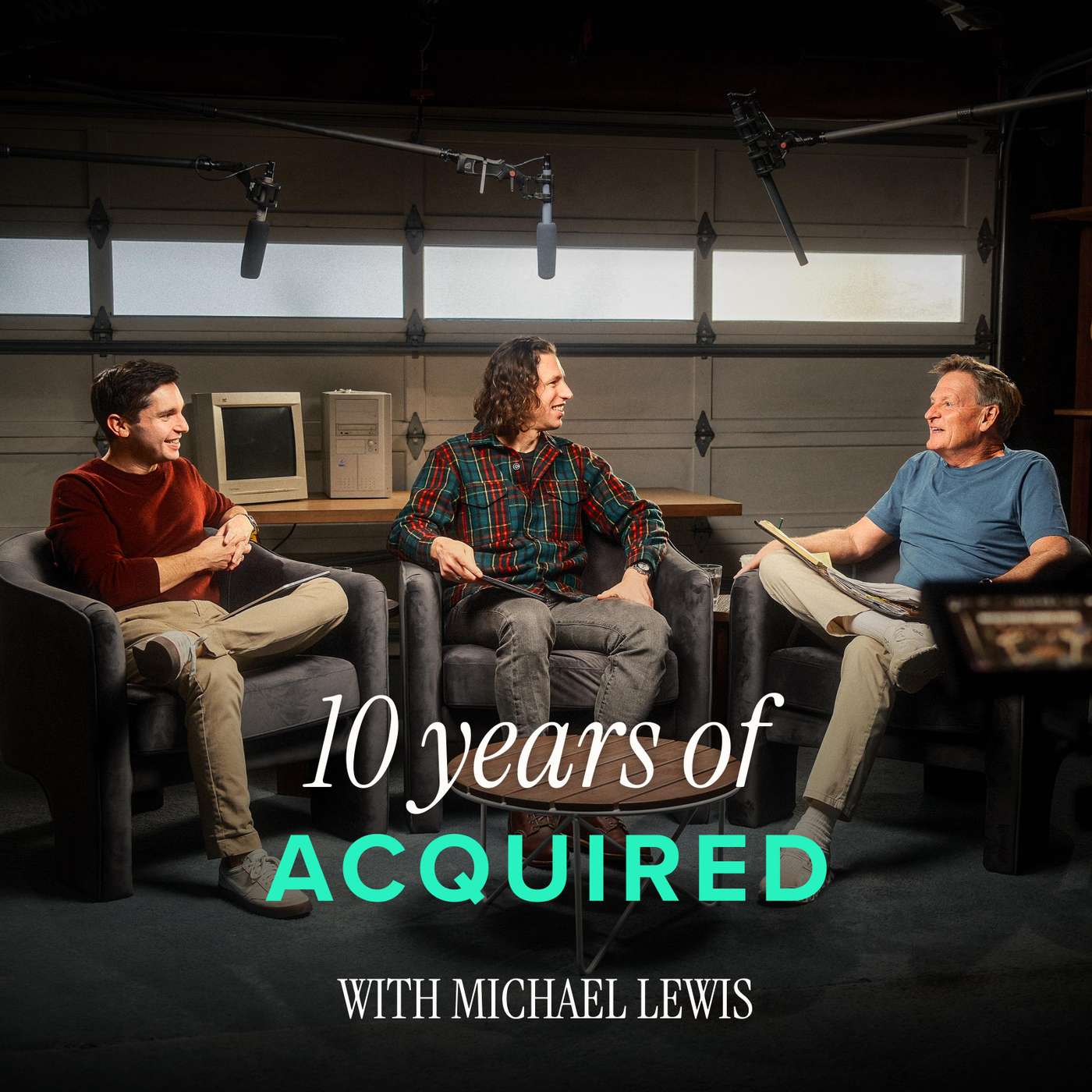
Author Michael Lewis notes his books feel like new startups, while Acquired's podcast format builds a compounding audience. When they release a new "book" (episode), it's automatically delivered to their entire subscriber base, creating a powerful growth flywheel that traditional media lacks.
A single podcast episode serves as a content hub that can be repurposed into social posts, newsletters, and videos. This "compound content return" builds a lasting asset, freeing you from the daily content treadmill required by social media.
