Get your free personalized podcast brief
We scan new podcasts and send you the top 5 insights daily.
For a seed investor, the most critical downside protection isn't a legal term in a document, but the implicit guarantee that the founder will never quit. This psychological commitment is the ultimate, unwritten liquidation preference.

Related Insights
In a non-control deal, an investor cannot fire management. Therefore, the primary diligence focus must shift from the business itself to the founder's character and the potential for a strong partnership, as this relationship is the ultimate determinant of success.

After realizing their initial idea was wrong, the founder tried to return $200K to angel investors. The investors refused, stating their investment was in the founders, not the specific idea. They insisted the team take the money and pivot, demonstrating that early-stage bets are often on people's potential to find a solution.

To win the best pre-seed deals, investors should engage high-potential talent during their 'founder curious' phase, long before a formal fundraise. The real competition is guiding them toward conviction on their own timeline, not battling other VCs for a term sheet later.
Unlike in private equity, an early-stage venture investment is a bet on the founder. If an early advisor, IP holder, or previous investor holds significant control, it creates friction and hinders the CEO's ability to execute. QED's experience shows that these situations are untenable and should be avoided.

When meeting Cursor's founder, the investor felt an "electric energy" even as the founder was pivoting away from his original idea. This highlights that for elite early-stage investors, the founder's intrinsic drive and potential are the constant to bet on, as ideas will inevitably change.
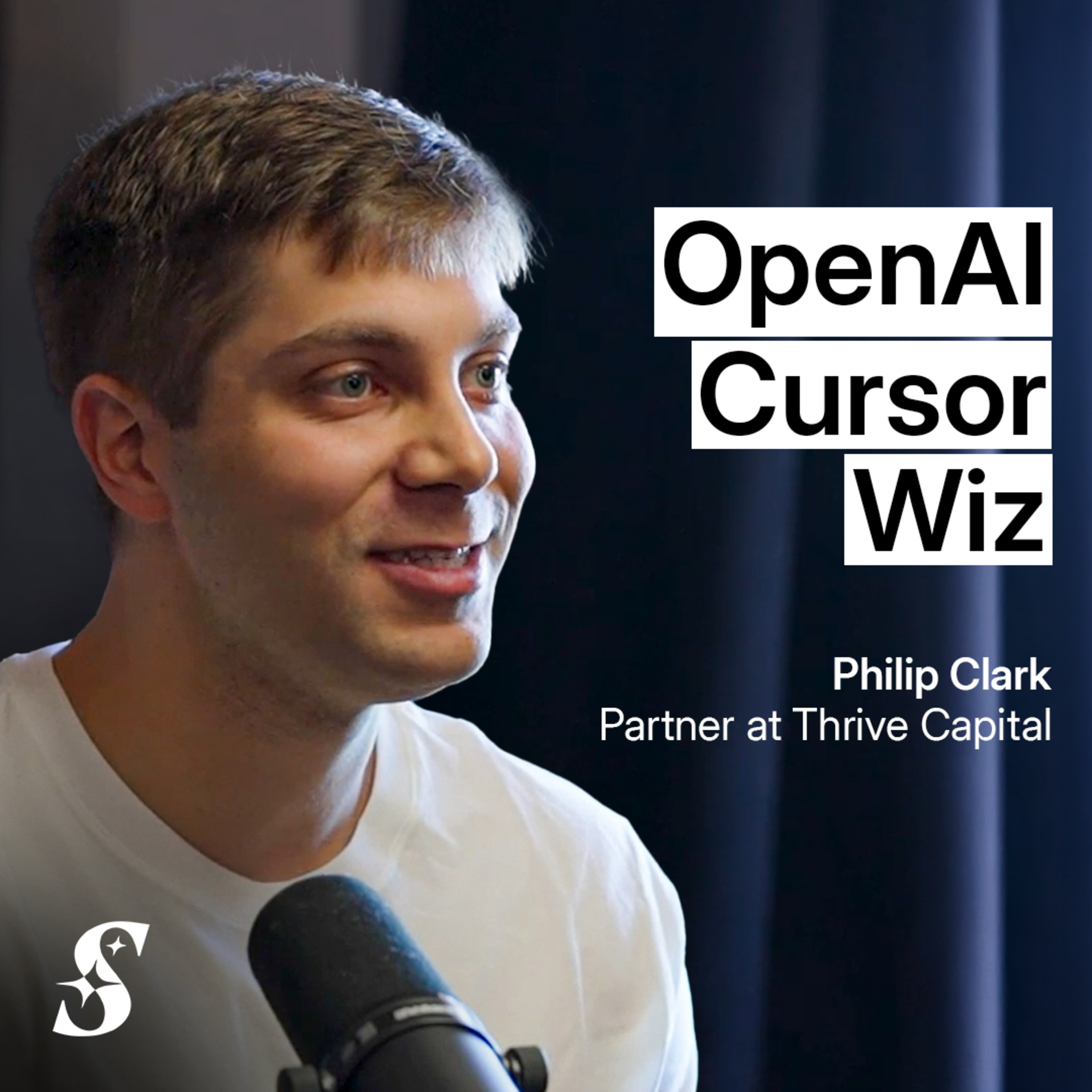
While assessed during diligence, the true caliber of a founder—their passion, authenticity, and ability to "run through walls"—becomes starkly clear after the deal closes. This distinction is not subtle; the impact of a truly exceptional founder versus an average one is immediately evident in the business's trajectory.
When founders invest their own money, it signals an unparalleled level of commitment and belief. This act serves as a powerful 'magnetic pull,' de-risking the opportunity in the eyes of external investors and making them significantly more likely to commit their own capital.

Beyond the network and money, a key YC benefit is the profound psychological impact of having respected partners who genuinely believe in your mission. For a lonely early-stage founder, this support transforms the journey from a solitary struggle into feeling like they're "playing for the home team," which raises the stakes and boosts motivation.

A truly exceptional founder is a talent magnet who will relentlessly iterate until they find a winning model. Rejecting a partnership based on a weak initial idea is a mistake; the founder's talent is the real asset. They will likely pivot to a much bigger opportunity.

Seed funds can win deals against multistage giants by highlighting the inherent conflict of interest. A seed-only investor is fully aligned with the founder to maximize the Series A valuation, whereas a multistage investor may want a lower price for their own follow-on investment.
