Get your free personalized podcast brief
We scan new podcasts and send you the top 5 insights daily.
While simple artificial flavors like orange soda are cheap to produce from a few molecules, the flavor of aged cheese is far more complex. The sheer number and variety of molecules required to artificially replicate these distinct flavors makes the process prohibitively expensive, preventing vegan cheese from achieving cost parity with its dairy counterpart.

Related Insights
The market timing for ambitious food tech was poor. The venture capital boom that lifted companies like Beyond Meat and Oatly cooled just as innovators like Climax Foods were tackling the difficult, expensive science of creating a zero-compromise vegan cheese. The market shift squeezed funding before a breakthrough could be achieved, leaving the product category waiting for its "Oatly moment."
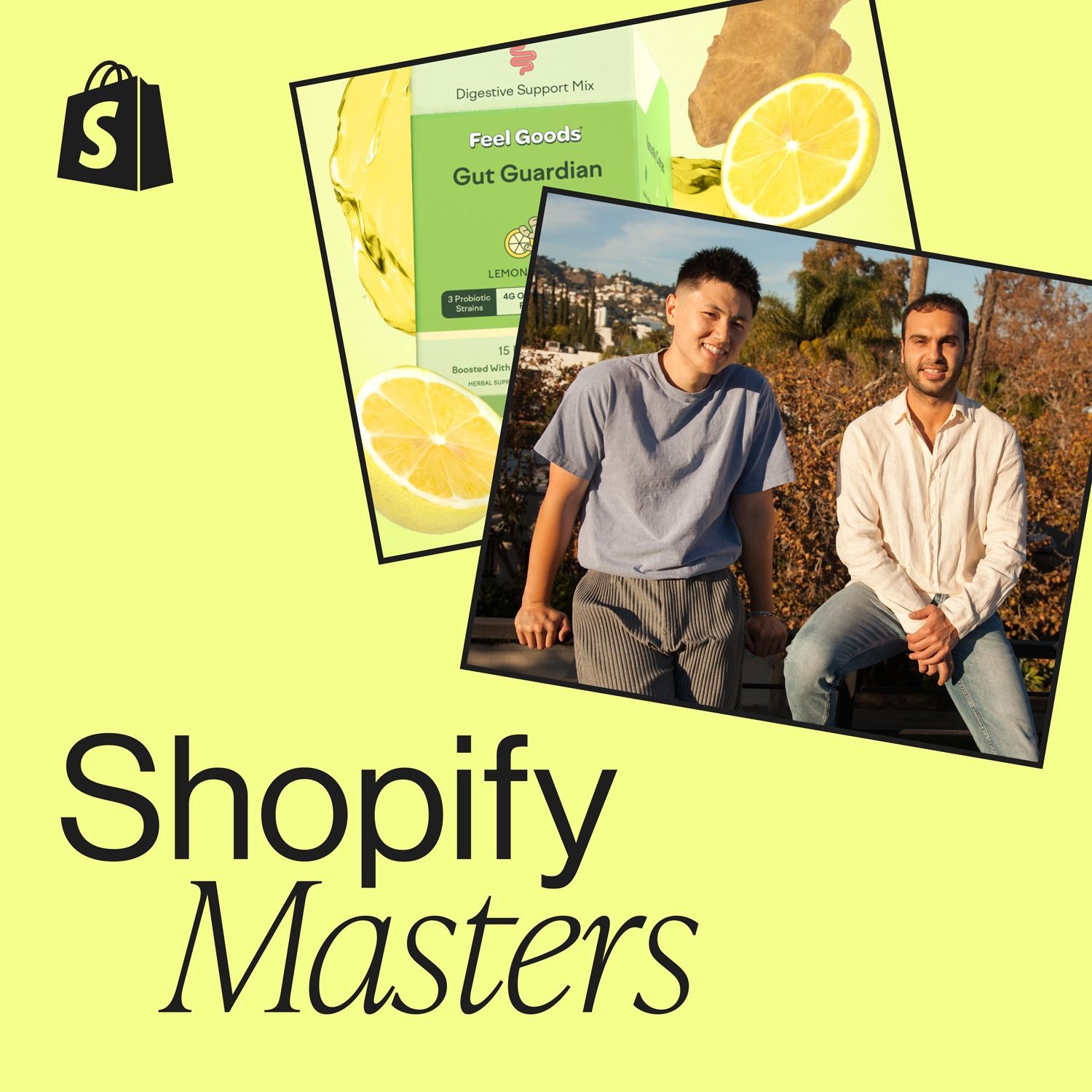
Feel Goods learned that perfecting a formula in a kitchen is misleading. Moving to a manufacturer introduces new suppliers and larger ingredient quantities, which drastically alters the final product's taste and consistency. This makes initial small-batch R&D far less valuable for scaling.
In biomanufacturing, purifying a product is a major cost. Using an organism that secretes the product directly into the media eliminates the need for cell lysis and reduces endotoxin concerns. This simplification of downstream processing can cut total production costs by 25-33%, a significant competitive advantage.

Whey, once a low-value byproduct of cheesemaking that was often fed to pigs or spread on fields, is now a highly profitable product. Modern cheese plants are designed specifically to harvest and process whey into high-demand whey protein isolates, fundamentally changing the business model of cheese production.

Persisting with a difficult, authentic, and more expensive production process, like using fresh ingredients instead of flavorings, is not a liability. It is the very thing that builds a long-term competitive advantage and a defensible brand story that copycats cannot easily replicate.

The consumer demand for protein, partly fueled by GLP-1 drug users, is causing dairy producers to ramp up whey protein production. Since cheese is a byproduct of whey, massive new cheese plants are being built, which will flood the market with cheap, soft cheeses while aged varieties become scarce.
The scientific challenge for vegan cheese is milk's casein protein, which creates a unique network that binds fat and water, yielding cheese's signature melt and stretch. Plant proteins are structured entirely differently and cannot replicate this function. As a result, alternatives rely on less effective bases like oil and starch, which fail to mimic the texture and flavor complexity.
Digitizing smell has been impossible until now because the human nose has over 300 sensory "channels," compared to just three for color (RGB). This complexity required mature AI to create the high-dimensional "map" needed to interpret and organize scent data, a task too complex for previous technologies.

Foods manufactured with a "bliss point" of fat, salt, and sugar chemically alter your taste preferences. To appreciate natural flavors, you must undergo a period of retraining your taste buds, as they crave what you consistently feed them, not what is actually nutritious.

To create its complex non-alcoholic cocktails, Curious Elixirs had to first partner with food scientists to invent foundational ingredients, like non-alcoholic gentian extract, that didn't exist. True category creation required building the supply chain, not just the end product.