Get your free personalized podcast brief
We scan new podcasts and send you the top 5 insights daily.
Unlike watching a movie as an observer, reading makes you embody the character, lighting up the brain as if you're living their experiences. This unique power to generate deep empathy is why books face such intense banning efforts from those who want to control who children empathize with.

Related Insights
Face-to-face contact provides a rich stream of non-verbal cues (tone, expression, body language) that our brains use to build empathy. Digital platforms strip these away, impairing our ability to connect, understand others' emotions, and potentially fostering undue hostility and aggression online.

Contrary to the belief that banning a book increases its sales (the Streisand effect), the current wave of book bans is successfully creating a chilling effect. This leads to decreased sales and access for authors, particularly those from marginalized groups.
By signaling that stories about girls are not for boys, society discourages boys from exercising empathy for female perspectives. Author Shannon Hale argues this isn't just about book choice; it's a cultural practice that trains boys to devalue female experiences, upholding patriarchal power structures.
Author Shannon Hale posits that a core driver of why boys are discouraged from reading about girls is a deep, often unacknowledged homophobia. The fear is that if a boy empathizes too strongly with a female character, it might somehow alter his sexual orientation.
People watched the movie 'Contagion' during the pandemic rather than reading scientific papers because the human brain is wired to learn through first-person stories, not lists of facts. Narratives provide a simulated, experiential perspective that taps into ancient brain mechanisms, making the information more memorable, understandable, and emotionally resonant.
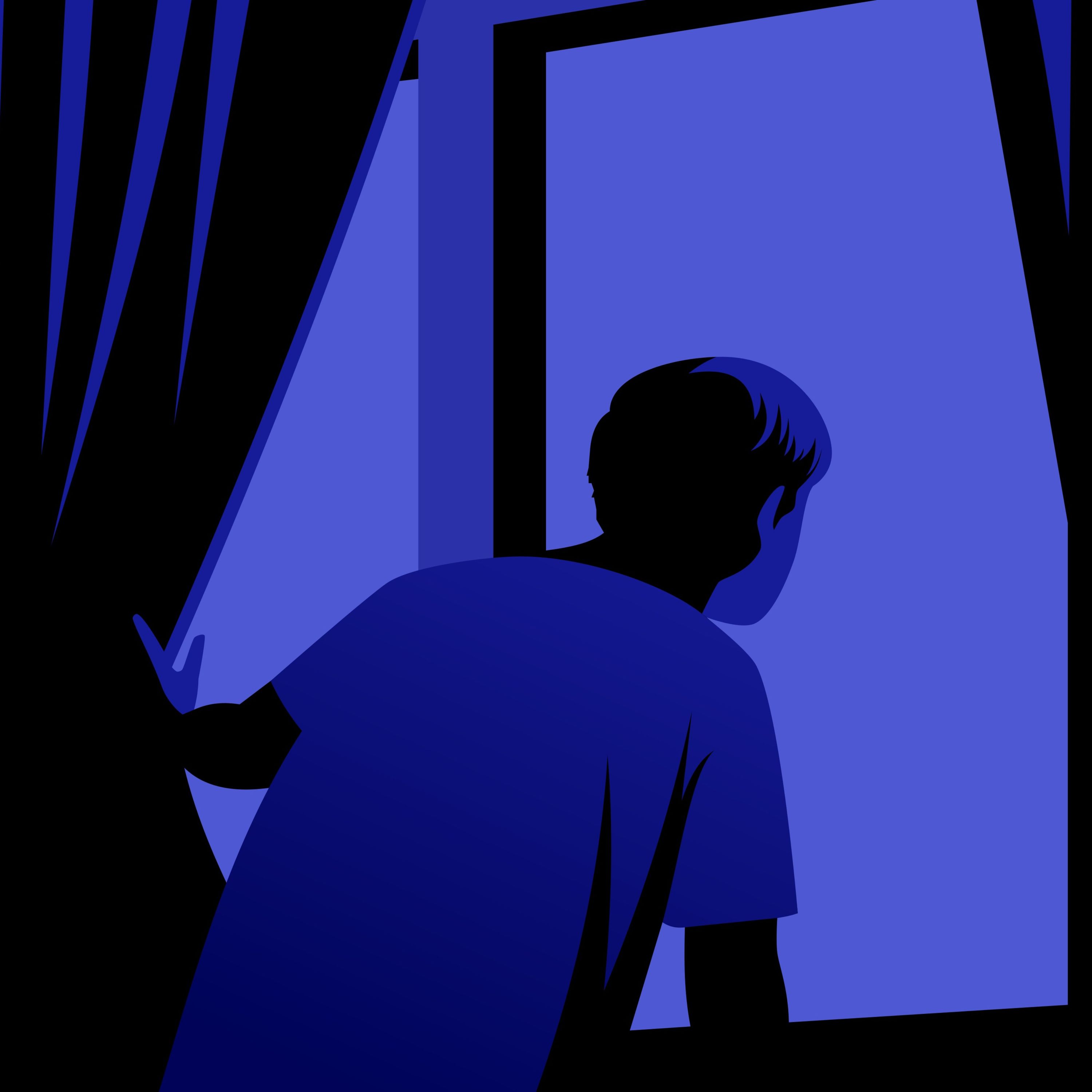
Contrary to stereotypes that horror fans are depraved, research indicates they often possess higher-than-average cognitive empathy. To experience fear while watching a scary movie, a viewer must be able to adopt the perspective of the protagonist. The fear is generated not by the monster itself, but by empathizing with someone like us who is in danger.
When presented with direct facts, our brains use effortful reasoning, which is prone to defensive reactions. Stories transport us, engaging different, more social brain systems. This allows us to analyze a situation objectively, as if observing others, making us more receptive to the underlying message.
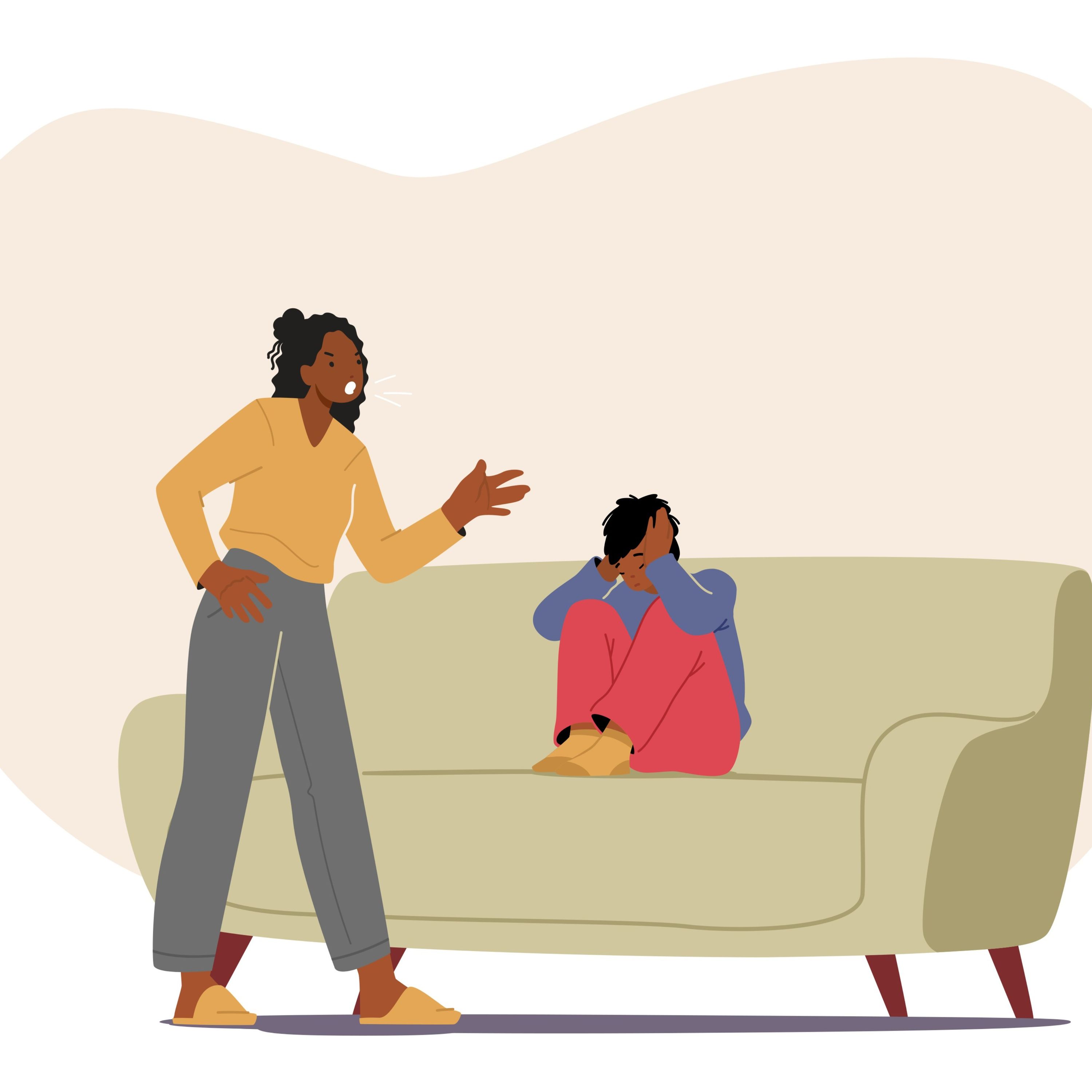
Schools often stick to an outdated canon not by choice, but as a defensive move against parental fear and book-banning efforts. Author Shannon Hale argues parents are familiar with classics and view them as 'safe,' preventing teachers from introducing more relatable contemporary literature.
Contrary to its modern, somewhat endearing meaning, the term "bookworm" was originally a pejorative. It compared people who read excessively to insects that burrowed into and damaged books. It was an early equivalent of telling someone to "touch grass" or that they have "brain rot" from media consumption.

Long novels, now the gold standard for deep focus, were once considered dangerous “junk food” that distracted people from prayer and duty. This historical pattern suggests our current panic over digital media may be similarly shortsighted and lacking perspective.