Get your free personalized podcast brief
We scan new podcasts and send you the top 5 insights daily.
Michelle Khare's content strategy is a defensive moat. By pursuing logistically insane projects—like running 7 marathons on 7 continents in a week—she makes her show format extremely difficult and expensive to replicate, deterring the copycats prevalent on YouTube.

Related Insights
The founders initially feared their data collection hardware would be easily copied. However, they discovered the true challenge and defensible moat lay in scaling the full-stack system—integrating hardware iterations, data pipelines, and training loops. The unexpected difficulty of this process created a powerful competitive advantage.

Unlike creators who burn out from repetitive content, Khare's "Challenge Accepted" format inherently provides novelty. Each episode is a new life experience—from Taekwondo to astronaut training—which keeps her engaged and prevents the fatigue of staying in one lane.
Persisting with a difficult, authentic, and more expensive production process, like using fresh ingredients instead of flavorings, is not a liability. It is the very thing that builds a long-term competitive advantage and a defensible brand story that copycats cannot easily replicate.

Counterintuitively, by creating scarcity with an 8-10 video annual schedule, Khare makes each ad spot a premium, high-demand opportunity. This quality-over-quantity approach attracts better brand partners and avoids the creator burnout common with high-frequency publishing.
The most defensible content strategy is one that competitors cannot replicate. Gong Labs achieved this by analyzing the proprietary call data within their own platform to produce unique, data-driven insights. This provided immense value to their audience while subtly demonstrating the power of their product.

The podcast Acquired has built its competitive advantage by investing weeks of deep research per episode, a model that is economically unviable for new creators. The scale they've achieved now justifies the high upfront investment, but this creates a powerful moat that is nearly impossible for a newcomer to overcome from a standing start.

True defensibility comes from successfully navigating successive challenges that weed out competitors. Many have an idea, fewer can build it, even fewer can maintain shipping cadence and distribution, and only a handful can raise capital at scale, leaving a 2-3 horse race.
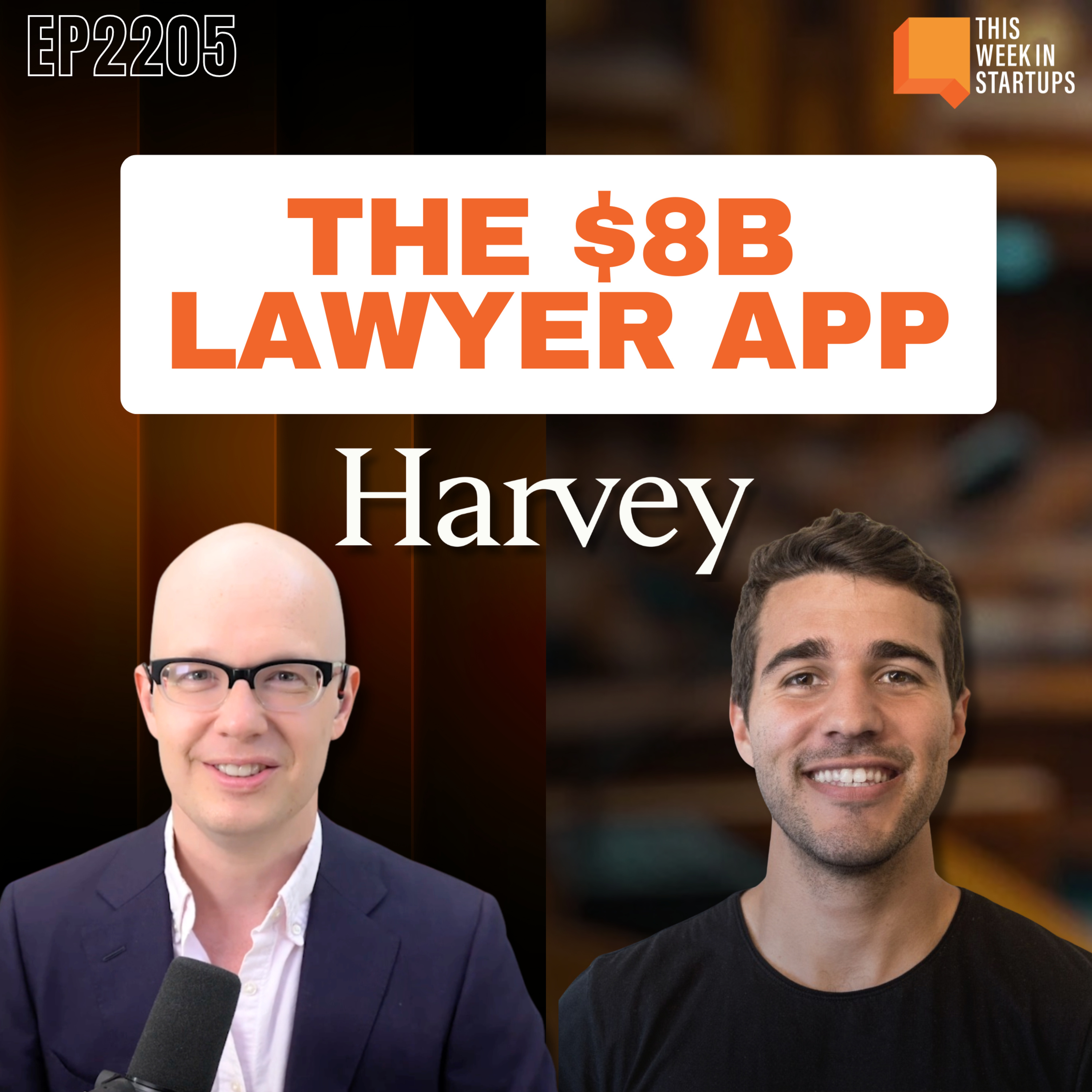
Initially, Khare made three videos "for the algorithm" and one passion project monthly. When her passion projects (e.g., training with stunt doubles) consistently outperformed the others, she went all-in on them, marking a major inflection point for her channel's growth.
Drawing from Verkada's decision to build its own hardware, the strategy is to intentionally tackle difficult, foundational challenges early on. While this requires more upfront investment and delays initial traction, it creates an immense competitive barrier that latecomers will struggle to overcome.
In-person events create a powerful, hard-to-replicate competitive moat. While rivals can easily copy your digital products or content with AI, they cannot replicate the unique community, experience, and brand loyalty fostered by well-executed IRL gatherings.
