Get your free personalized podcast brief
We scan new podcasts and send you the top 5 insights daily.
A16z argues we are in the "Wright Brothers moment" of AI. Regulating foundational models now—which are essentially just math—would stifle fundamental discovery, akin to trying to regulate flight experiments before airplanes existed. The focus should be on application-level harms, not the underlying technology development.

Related Insights
A key distinction in AI regulation is to focus on making specific harmful applications illegal—like theft or violence—rather than restricting the underlying mathematical models. This approach punishes bad actors without stifling core innovation and ceding technological leadership to other nations.

The emphasis on long-term, unprovable risks like AI superintelligence is a strategic diversion. It shifts regulatory and safety efforts away from addressing tangible, immediate problems like model inaccuracy and security vulnerabilities, effectively resulting in a lack of meaningful oversight today.
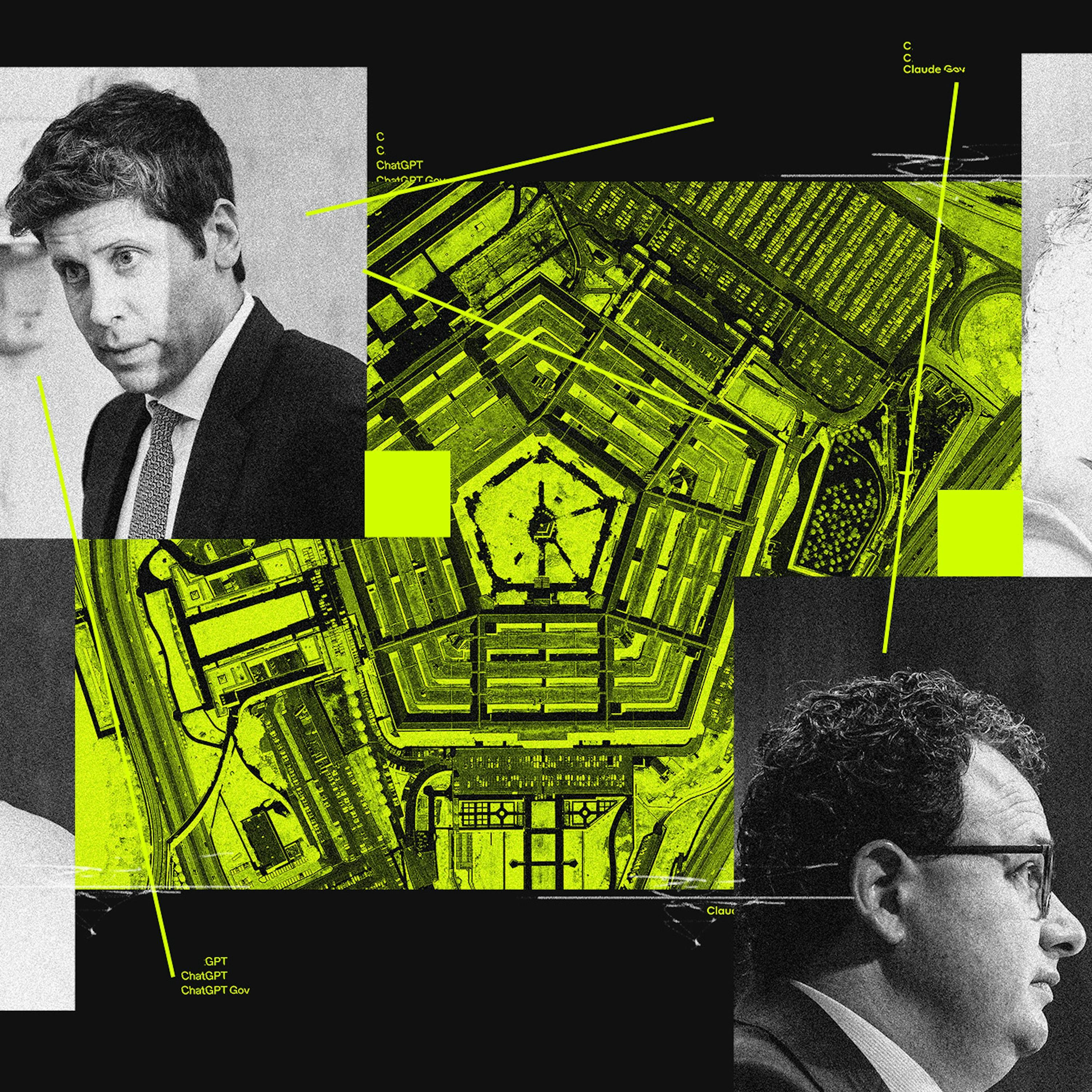
When addressing AI's 'black box' problem, lawmaker Alex Boris suggests regulators should bypass the philosophical debate over a model's 'intent.' The focus should be on its observable impact. By setting up tests in controlled environments—like telling an AI it will be shut down—you can discover and mitigate dangerous emergent behaviors before release.

Instead of trying to legally define and ban 'superintelligence,' a more practical approach is to prohibit specific, catastrophic outcomes like overthrowing the government. This shifts the burden of proof to AI developers, forcing them to demonstrate their systems cannot cause these predefined harms, sidestepping definitional debates.

Mark Cuban advocates for a specific regulatory approach to maintain AI leadership. He suggests the government should avoid stifling innovation by over-regulating the creation of AI models. Instead, it should focus intensely on monitoring the outputs to prevent misuse or harmful applications.
Silicon Valley's economic engine is "permissionless innovation"—the freedom to build without prior government approval. Proposed AI regulations requiring pre-approval for new models would dismantle this foundation, favoring large incumbents with lobbying power and stifling the startup ecosystem.

Undersecretary Rogers warns against "safetyist" regulatory models for AI. She argues that attempting to code models to never produce offensive or edgy content fetters them, reduces their creative and useful capacity, and ultimately makes them less competitive globally, particularly against China.

A16z advocates for a "gap analysis" approach to AI regulation. Instead of assuming a legal vacuum exists, lawmakers should first examine how existing, technology-neutral laws—like consumer protection or civil rights statutes—already apply to AI harms. New legislation should only target clearly identified gaps.
An FDA-style regulatory model would force AI companies to make a quantitative safety case for their models before deployment. This shifts the burden of proof from regulators to creators, creating powerful financial incentives for labs to invest heavily in safety research, much like pharmaceutical companies invest in clinical trials.
The history of nuclear power, where regulation transformed an exponential growth curve into a flat S-curve, serves as a powerful warning for AI. This suggests that AI's biggest long-term hurdle may not be technical limits but regulatory intervention that stifles its potential for a "fast takeoff," effectively regulating it out of rapid adoption.