Get your free personalized podcast brief
We scan new podcasts and send you the top 5 insights daily.
China is systematically identifying and cultivating top STEM talent from a young age through a national 'Genius Program.' By fast-tracking these students through intensive training, it has created a direct pipeline of elite engineers and scientists who go on to found and lead major tech companies like TikTok and DeepSeek.

Related Insights
The Chinese government's intense desire for technological self-sufficiency and global leadership paradoxically reduces investment risk. Beijing now "desperately" needs its deep science companies to succeed, making another unpredictable, Jack Ma-style crackdown on the industry less likely than in previous years.

Facing semiconductor shortages, China is pursuing a unique AI development path. Instead of competing directly on compute power, its strategy leverages national strengths in vast data sets, a large talent pool, and significant power infrastructure to drive AI progress and a medium-term localization strategy.

While the US education system focuses on inclusivity with mantras like 'No Child Left Behind,' often dismantling gifted programs, China's public schools operate under the slogan 'Produce talent quickly and early.' This fundamental difference prioritizes cultivating elite talent and competitiveness over ensuring no one feels left out.
Contrary to the assumption that China's elite talent programs are purely for STEM, they also recruit top humanities students. These individuals are later employed by major AI companies like DeepSeq to help models better understand human intelligence, literature, and history, acknowledging that AI development requires more than just technical skills.

China's harsh, deflationary economic environment and intense domestic competition, while causing many companies to fail, effectively hones a select few into highly resilient and efficient champions. These survivors are now prepared for successful global expansion.
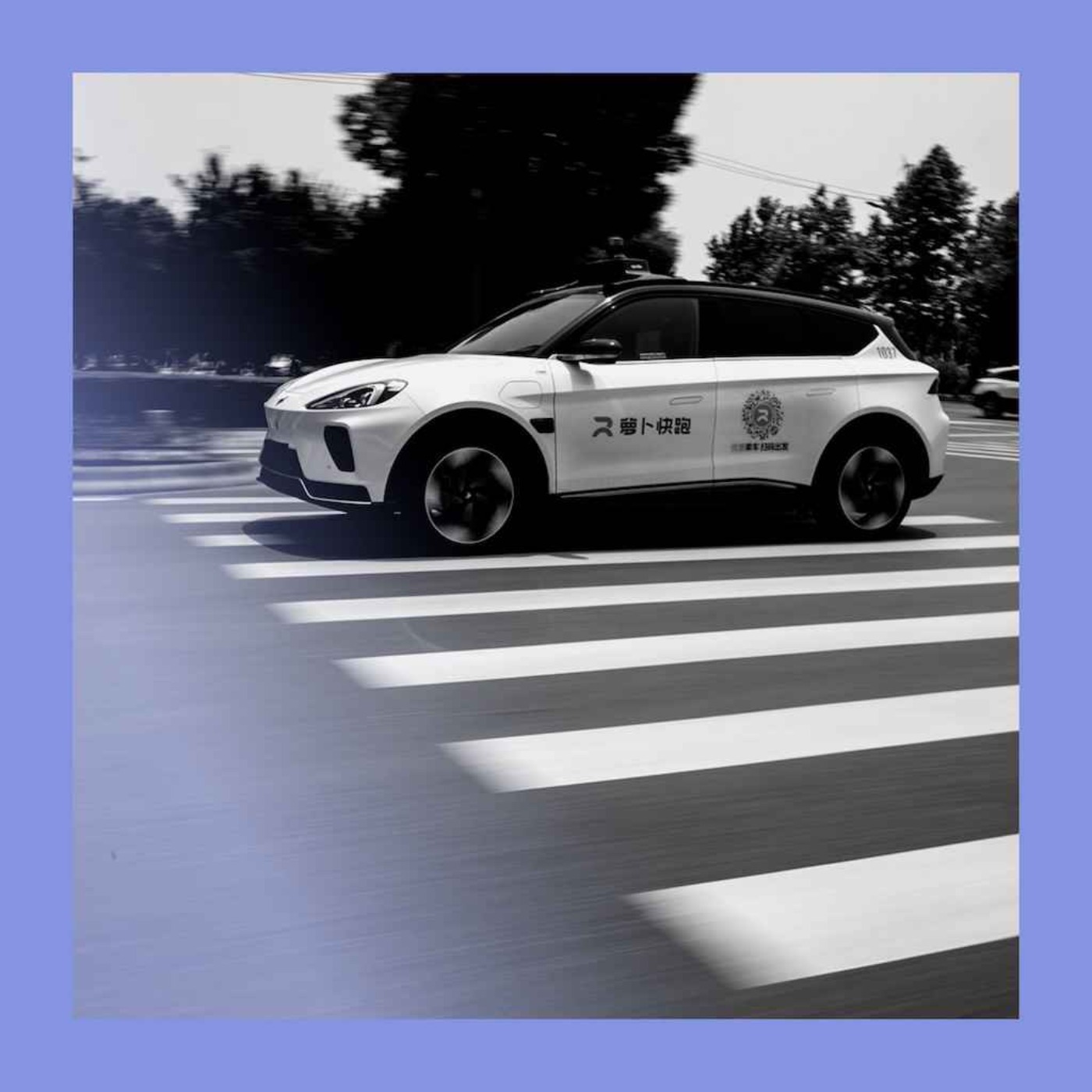
Counterintuitively, China leads in open-source AI models as a deliberate strategy. This approach allows them to attract global developer talent to accelerate their progress. It also serves to commoditize software, which complements their national strength in hardware manufacturing, a classic competitive tactic.

China's greatest asset in the AI race is its human capital. It produces the world's largest number of STEM graduates, creating a deep talent pool of engineers and scientists that makes it a formidable, long-term competitor to the United States.

China identifies top talent early through a brutally selective system, not a mass-production factory. Graduates from these programs disproportionately found and lead the nation's most important tech and AI companies, directly linking this educational pipeline to its global technology ambitions.
China is transitioning from its role as the world's factory floor to its primary source of highly educated talent. With the most numerous tertiary-educated population, China is now a key input for human capital in global supply chains, attracting companies for complex R&D and drug discovery trials, not just low-cost manufacturing.

A significant advantage for students selected into China's elite "genius" streams is that they get to bypass the dreaded 'Gaokao' high school exam. This frees them from a rigid, stressful curriculum, allowing them to specialize early in subjects like computer science and make faster progress toward advanced breakthroughs.