Get your free personalized podcast brief
We scan new podcasts and send you the top 5 insights daily.
Modern AI tools are creating a new "product builder" archetype where roles blur. Product managers now write code to build V1s, while designers lead projects end-to-end. Teams use tools like Gamma and NotebookLM to shrink time-to-value, making product reviews more visual and PRDs less textual.

Related Insights
The traditional handoff model is obsolete. AI-powered tools create a fluid environment where designers work in code for final polish and engineers iterate directly in design tools. This fosters a new, more integrated "builder" role, breaking down historical silos between disciplines.

The future of product management is a hybrid with UX design. PMs will be expected to be 'builders' who go beyond specs to create initial designs and functional prototypes, using AI tools to accelerate this process and enabling smaller, more agile teams.

The historical separation between product management, design, and engineering is dissolving. AI assistants handle the coding, allowing a single person to define the product (PM), ensure high-quality aesthetics and UX (designer), and direct the technical implementation (engineer), thus converging the three roles.

AI tools are blurring the lines between product, design, and engineering. The future PM will leverage AI to not only spec features but also create mockups and even write and check in code for smaller tasks, owning the entire lifecycle from idea to delivery.

AI tools are blurring the lines between roles. Vercel SVP Aparna Sinha notes that product managers can now build and test working products, not just prototypes. This allows for hyper-efficient, small teams—sometimes just one person—to achieve the output of a full squad.

To adapt to AI-driven workflows, Microsoft's LinkedIn combined product managers, designers, and engineers into a single "full stack builder" role. This structural change eliminates communication bottlenecks and empowers individuals to leverage AI tools for end-to-end product development, drastically increasing speed.
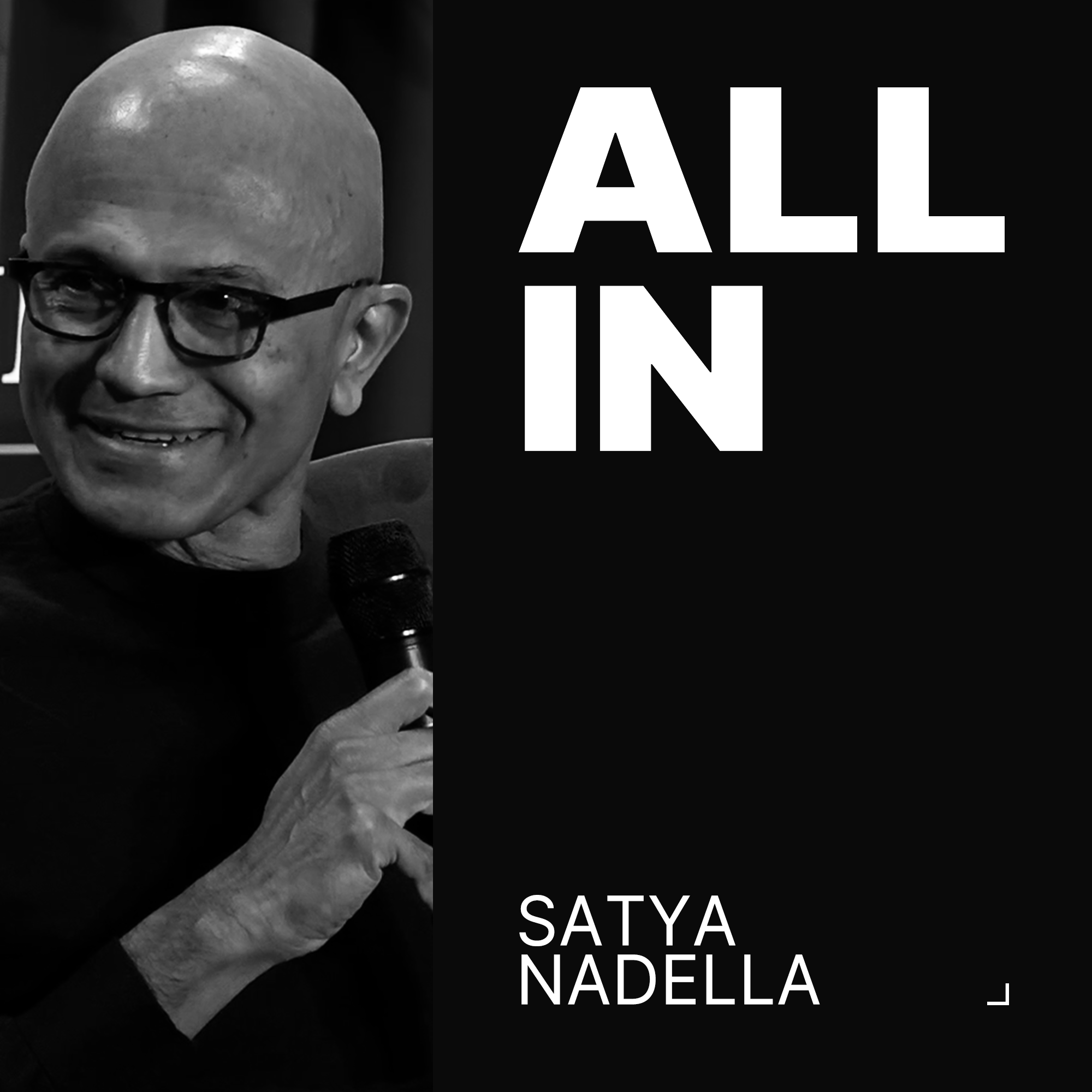
Dylan Field predicts that AI tools will blur the lines between design, engineering, and product management. Instead of siloed functions, teams will consist of 'product builders' who can contribute across domains but maintain a deep craft in one area. Design becomes even more critical in this new world.

AI agents empower individuals to perform tasks outside their core roles. At OpenAI, designers now write significant code, and PMs build functional prototypes. This blurs the lines between engineering, design, and product, unifying them under the umbrella of being "builders."

AI's rise means traditional product roles are merging. Instead of identifying as a PM or designer, focus on your core skills (e.g., visual aesthetics, systems thinking) and use AI to fill gaps. This 'builder' mindset, focused on creating end-to-end, is key for future relevance.

AI tools empower individuals to perform tasks traditionally siloed in other functions (e.g., PMs designing). This blurs the lines between specialized roles, leading to a "collapse" where one person can take a product from idea to prototype, fundamentally changing team structures.
