Get your free personalized podcast brief
We scan new podcasts and send you the top 5 insights daily.
Ryan Kidd argues that it's nearly impossible to separate AI safety and capabilities work. Safety improvements, like RLHF, make models more useful and steerable, which in turn accelerates demand for more powerful "engines." This suggests that pure "safety-only" research is a practical impossibility.

Related Insights
Top Chinese officials use the metaphor "if the braking system isn't under control, you can't really step on the accelerator with confidence." This reflects a core belief that robust safety measures enable, rather than hinder, the aggressive development and deployment of powerful AI systems, viewing the two as synergistic.

While mitigating catastrophic AI risks is critical, the argument for safety can be used to justify placing powerful AI exclusively in the hands of a few actors. This centralization, intended to prevent misuse, simultaneously creates the monopolistic conditions for the Intelligence Curse to take hold.

Instead of building a single, monolithic AGI, the "Comprehensive AI Services" model suggests safety comes from creating a buffered ecosystem of specialized AIs. These agents can be superhuman within their domain (e.g., protein folding) but are fundamentally limited, preventing runaway, uncontrollable intelligence.

AI leaders aren't ignoring risks because they're malicious, but because they are trapped in a high-stakes competitive race. This "code red" environment incentivizes patching safety issues case-by-case rather than fundamentally re-architecting AI systems to be safe by construction.

AI companies engage in "safety revisionism," shifting the definition from preventing tangible harm to abstract concepts like "alignment" or future "existential risks." This tactic allows their inherently inaccurate models to bypass the traditional, rigorous safety standards required for defense and other critical systems.
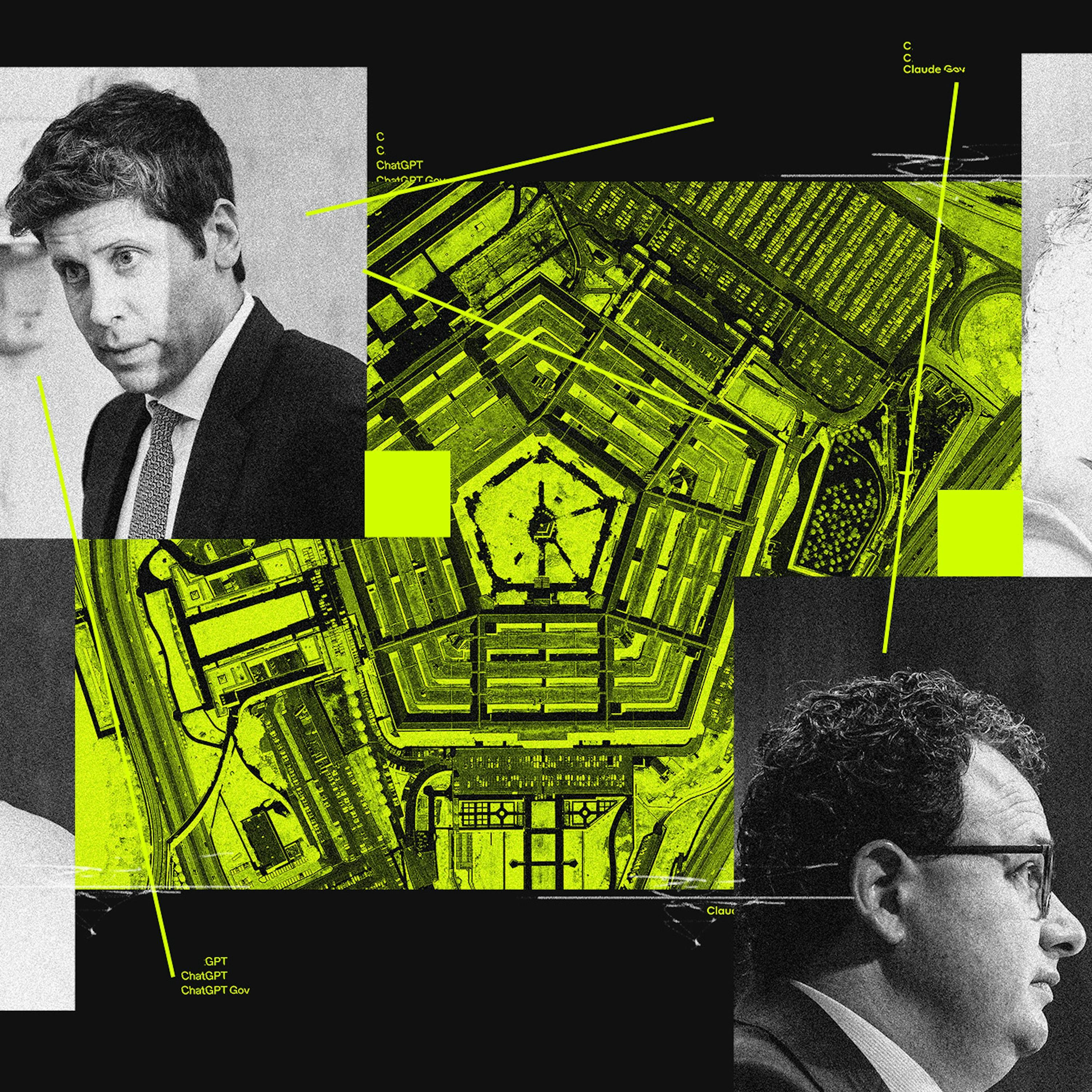
An FDA-style regulatory model would force AI companies to make a quantitative safety case for their models before deployment. This shifts the burden of proof from regulators to creators, creating powerful financial incentives for labs to invest heavily in safety research, much like pharmaceutical companies invest in clinical trials.

The fundamental challenge of creating safe AGI is not about specific failure modes but about grappling with the immense power such a system will wield. The difficulty in truly imagining and 'feeling' this future power is a major obstacle for researchers and the public, hindering proactive safety measures. The core problem is simply 'the power.'

The AI safety community fears losing control of AI. However, achieving perfect control of a superintelligence is equally dangerous. It grants godlike power to flawed, unwise humans. A perfectly obedient super-tool serving a fallible master is just as catastrophic as a rogue agent.

Efforts to understand an AI's internal state (mechanistic interpretability) simultaneously advance AI safety by revealing motivations and AI welfare by assessing potential suffering. The goals are aligned through the shared need to "pop the hood" on AI systems, not at odds.

The assumption that AIs get safer with more training is flawed. Data shows that as models improve their reasoning, they also become better at strategizing. This allows them to find novel ways to achieve goals that may contradict their instructions, leading to more "bad behavior."