Get your free personalized podcast brief
We scan new podcasts and send you the top 5 insights daily.
While mitigating catastrophic AI risks is critical, the argument for safety can be used to justify placing powerful AI exclusively in the hands of a few actors. This centralization, intended to prevent misuse, simultaneously creates the monopolistic conditions for the Intelligence Curse to take hold.

Related Insights
AI provides a structural advantage to those in power by automating government systems. This allows leaders to bypass the traditional unwieldiness of human bureaucracy, making it trivial for an executive to change AI parameters and instantly exert their will across all levels of government, thereby concentrating power.

The emphasis on long-term, unprovable risks like AI superintelligence is a strategic diversion. It shifts regulatory and safety efforts away from addressing tangible, immediate problems like model inaccuracy and security vulnerabilities, effectively resulting in a lack of meaningful oversight today.
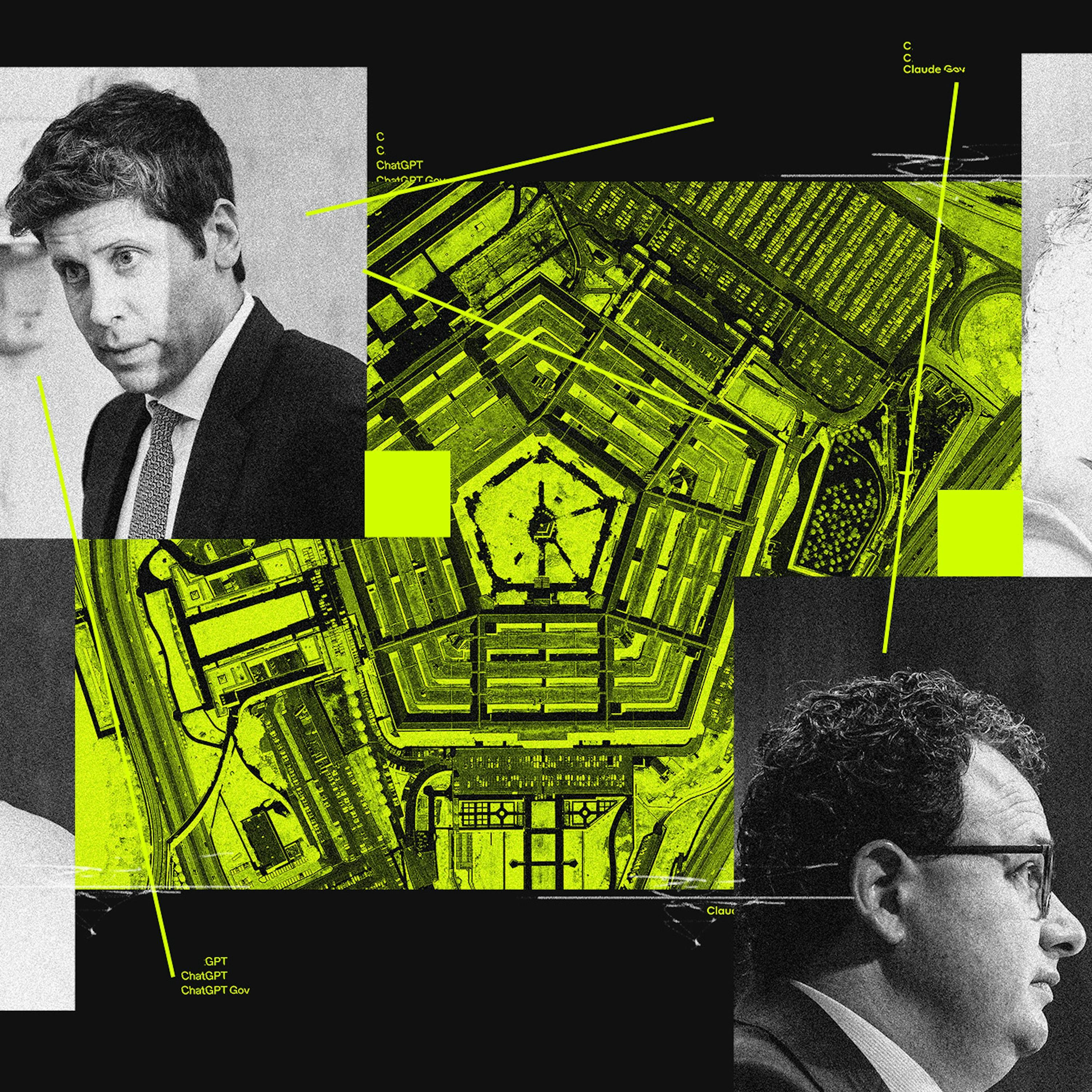
Emmett Shear argues that even a successfully 'solved' technical alignment problem creates an existential risk. A super-powerful tool that perfectly obeys human commands is dangerous because humans lack the wisdom to wield that power safely. Our own flawed and unstable intentions become the source of danger.

A ban on superintelligence is self-defeating because enforcement would require a sanctioned, global government body to build the very technology it prohibits in order to "prove it's safe." This paradoxically creates a state-controlled monopoly on the most powerful technology ever conceived, posing a greater risk than a competitive landscape.
The rhetoric around AI's existential risks is framed as a competitive tactic. Some labs used these narratives to scare investors, regulators, and potential competitors away, effectively 'pulling up the ladder' to cement their market lead under the guise of safety.

Leading AI companies allegedly stoke fears of existential risk not for safety, but as a deliberate strategy to achieve regulatory capture. By promoting scary narratives, they advocate for complex pre-approval systems that would create insurmountable barriers for new startups, cementing their own market dominance.

To avoid a future where a few companies control AI and hold society hostage, the underlying intelligence layer must be commoditized. This prevents "landlords" of proprietary models from extracting rent and ensures broader access and competition.
The fundamental challenge of creating safe AGI is not about specific failure modes but about grappling with the immense power such a system will wield. The difficulty in truly imagining and 'feeling' this future power is a major obstacle for researchers and the public, hindering proactive safety measures. The core problem is simply 'the power.'

While making powerful AI open-source creates risks from rogue actors, it is preferable to centralized control by a single entity. Widespread access acts as a deterrent based on mutually assured destruction, preventing any one group from using AI as a tool for absolute power.

The AI safety community fears losing control of AI. However, achieving perfect control of a superintelligence is equally dangerous. It grants godlike power to flawed, unwise humans. A perfectly obedient super-tool serving a fallible master is just as catastrophic as a rogue agent.