Get your free personalized podcast brief
We scan new podcasts and send you the top 5 insights daily.
Companies like Airbnb, Uber, and DoorDash now offer overlapping services like restaurant reservations, grocery delivery, and car rentals. This convergence erases differentiation, forcing them to compete as 'super apps.' The next battleground will likely be on user experience and the notoriously high service fees.

Related Insights
The threat to companies like DoorDash isn't a new AI delivery service. It's an AI agent that optimizes consumer choice between DoorDash, Uber Eats, and direct ordering. The brand that "owns the agent" wins by commoditizing the underlying service providers, even if their operations remain superior.

Uber's success against competitors in ridesharing or food delivery stems from its integrated platform. While rivals operate as monoline businesses (either rides or eats), Uber's ability to cross-leverage its ecosystems allows it to grow faster and achieve greater profitability.
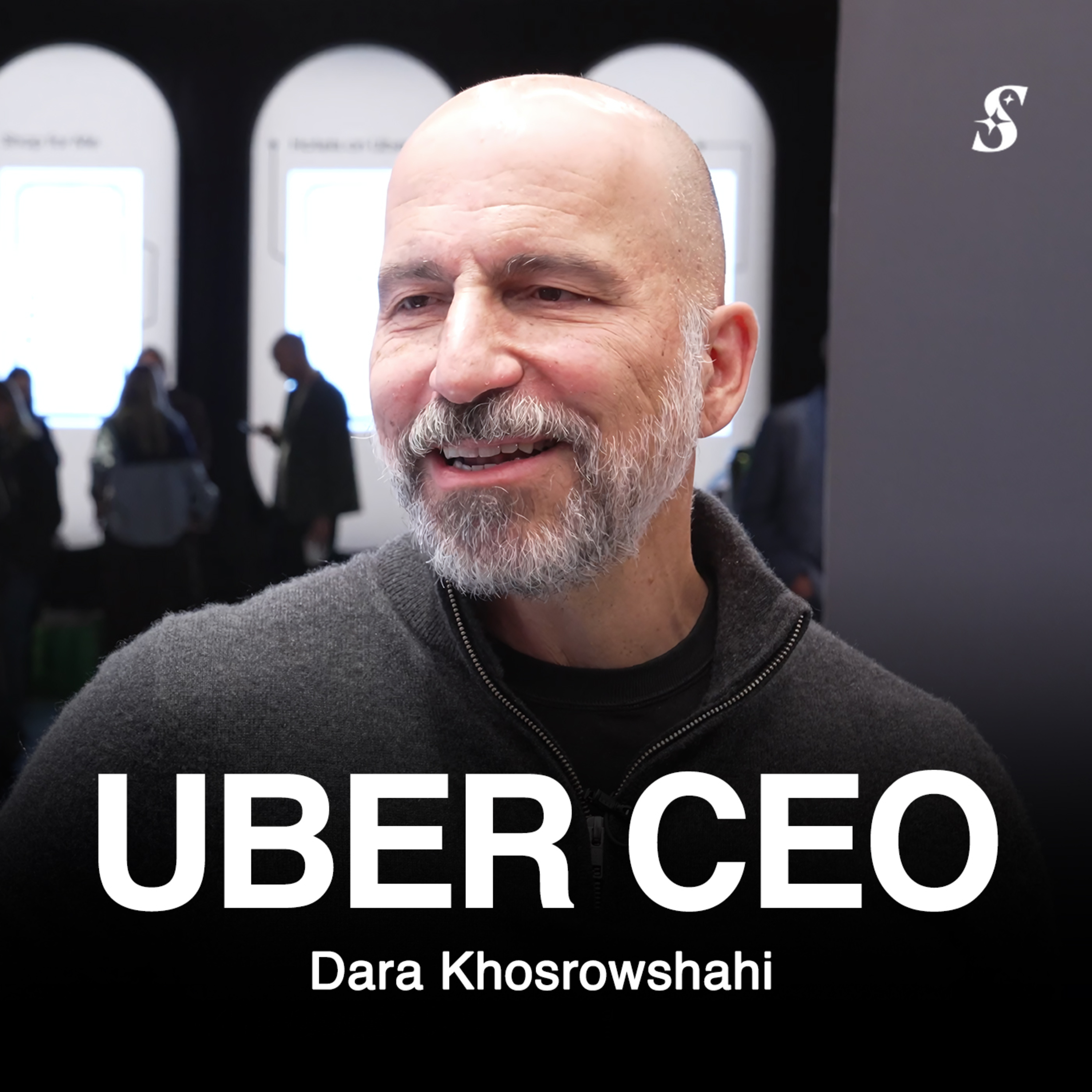
Companies like Uber and DoorDash build moats on customer lock-in. AI agents will eliminate this by automatically price-shopping for users, commoditizing demand. This shifts the competitive battleground to supply-side aggregation, lowering barriers to entry for new players.
Analysts wrongly assumed Uber and Airbnb would only compete with taxis and hotels. By allowing anyone to supply a car or room, they flooded the market, which drove down prices and unlocked a massive new customer base that previously couldn't afford those services.

By partnering with Uber Eats to offer restaurants free delivery, Toast directly attacks the high-fee model of competitors like DoorDash. This forces DoorDash into a dilemma: ignore a major threat or compete by cannibalizing its own high-margin core business.
![Toast: Sticky SaaS - [Business Breakdowns, EP.247] thumbnail](https://megaphone.imgix.net/podcasts/25197a00-5b76-11f1-9c11-6fcdb710edc5/image/b8f3db4ca7ffd3c5807c493f9f0ad981.jpg?ixlib=rails-4.3.1&max-w=3000&max-h=3000&fit=crop&auto=format,compress)
The "DoorDash Problem" posits that AI agents could reduce service platforms like Uber and Airbnb to mere commodity providers. By abstracting away the user interface, agents eliminate crucial revenue streams like ads, loyalty programs, and upsells. This shifts the customer relationship to the AI, eroding the core business model of the App Store economy's biggest winners.
Apps like Uber and Airbnb are converging by offering identical services (cars, hotels). This suggests their core platforms are now commodities, forcing them into a feature war for market share—a pattern previously seen when all social media apps adopted features like 'Stories' and 'Reels'.
Dominant aggregator platforms are often misjudged as being vulnerable to technological disruption (e.g., Uber vs. robo-taxis). Their real strength lies in their network, allowing them to integrate and offer new technologies from various providers, thus becoming beneficiaries rather than victims of innovation.

Khosrowshahi draws a parallel to travel metasearch, where value ultimately accrued to consolidated suppliers (Expedia), not aggregators. He believes because the mobility and delivery markets are dominated by a few large players, Uber will retain power even if AI front-ends become popular.

Airbnb's CEO aims to create the "Amazon for services." By adding car rentals, grocery delivery, and airport rides, the company is moving beyond its core lodging product to capture every dollar a traveler spends. This is a classic platform strategy to increase customer lifetime value by dominating the entire ecosystem.