Get your free personalized podcast brief
We scan new podcasts and send you the top 5 insights daily.
As a newcomer to biotech, Celcuity's CEO used search firms to recruit his initial senior leadership team. Those leaders then used their extensive personal networks to hire the entire 90-person sales force through internal referrals, ensuring a strong cultural fit and high-caliber team.

Related Insights
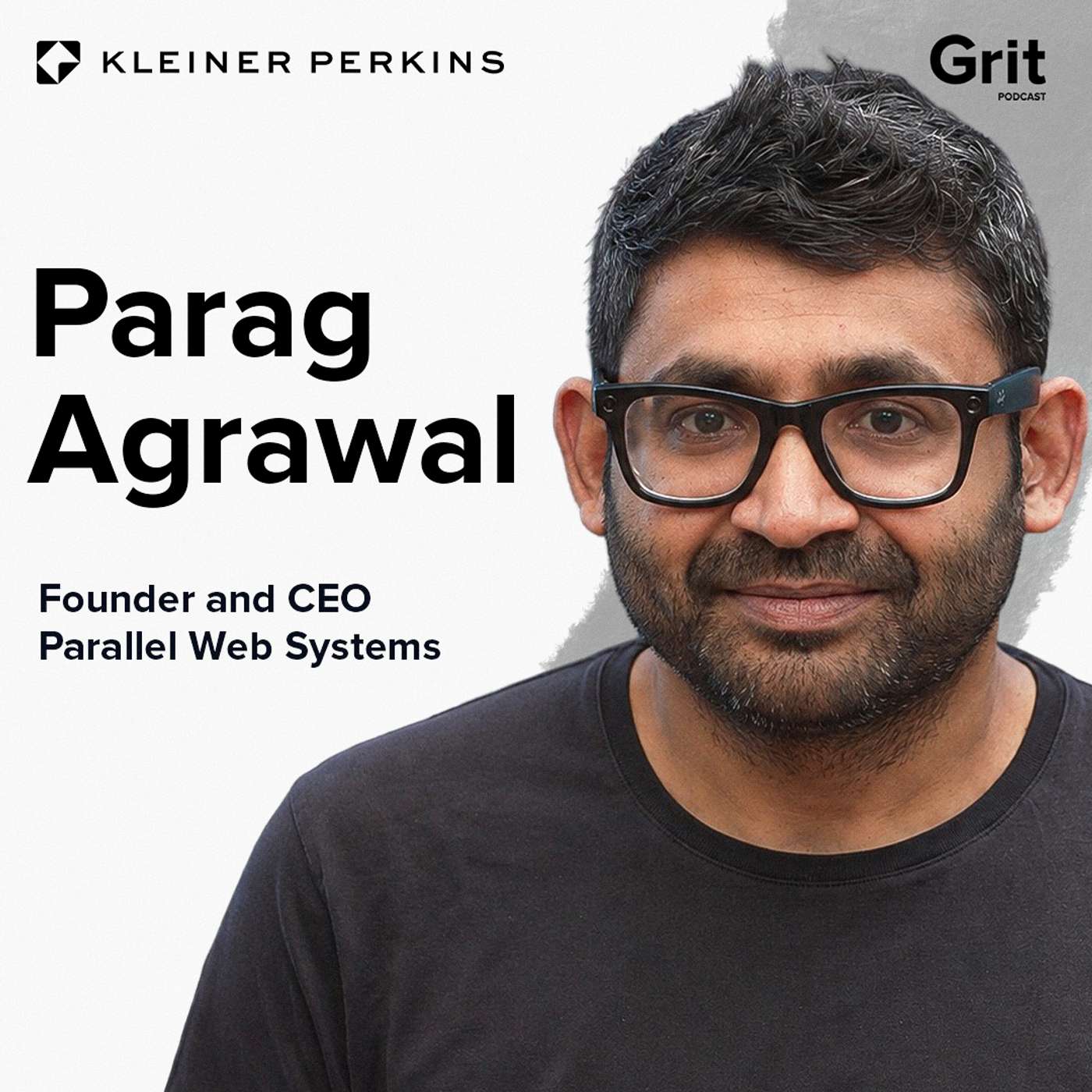
To avoid only hiring people he'd previously worked with, Agrawal implemented a "multi-hop" recruiting strategy. He identifies exceptional individuals and then asks them to name the three best people they've ever worked with. This allows him to tap into new, pre-vetted talent pools beyond his immediate circle.
Cereno's CEO leveraged a consultancy market downturn to his advantage. Having worked with a firm on strategy and communications, he seized the opportunity when it closed down, hiring four key people he already knew and trusted, instantly building out his internal team with proven talent.
![Sten R. Sörensen, Cereno Scientific 🇸🇪 | Drug Repurposing, Retail Investors | E52 [Sponsored] thumbnail](https://d3t3ozftmdmh3i.cloudfront.net/staging/podcast_uploaded_episode/38602414/38602414-1770668818564-0e3602876c1a2.jpg)
Instead of hiring traditional consultants or arm's-length operating partners, Transom's core strategy is to bring the best-performing CEOs and CFOs from its successful, exited portfolio companies in-house. This ensures perfect alignment, proven working chemistry, and deep, practical expertise in executing the firm's specific playbook.

When building its first commercial team, Ionis CEO Brett Monia, a scientist, prioritized hiring experienced leaders who also appreciated the company's deep-rooted scientific culture. This focus on cultural alignment was critical to successfully integrating the new commercial function into the R&D-centric organization.
Sandeep Kulkarni, a co-founder and board member at Zura Bio before becoming CEO, highlights this path's advantage. It avoids the challenges external CEOs face in learning the assets, people, and culture, and prevents the mistake of simply reapplying a generic playbook that may not fit the company's unique situation.

CEOs leading companies over 100 employees dedicate up to half their time to recruiting their executive team. Their primary concern becomes building the leadership layer and designing the organization, a significant shift from the focus of CEOs at smaller companies.

When direct access to top talent is blocked by competitors, savvy leaders identify other successful companies with strong sales cultures (a "lineage") and strategically recruit from that pool. This allows them to tap into a new vein of proven, high-potential talent.

When transitioning from an individual contributor to a leader, the fastest way to build a high-performing team is to leverage your network and actively recruit proven talent from successful competitors. This strategy brings immediate expertise and know-how, dramatically accelerating your team's path to success.

Despite leading a massive corporation, Tan handles all key recruitment himself, without relying on search firms. He leverages his personal network ('rolodex') to find the best talent, believing this direct involvement is crucial for building the right team for Intel's transformation.

Instead of relying on a single partner's contacts, Hunt Club leverages a broad network of experts for referrals. This approach assumes a warm introduction from a trusted peer is more powerful and reaches a larger, more diverse talent pool than a traditional search firm's recycled candidates.
