Get your free personalized podcast brief
We scan new podcasts and send you the top 5 insights daily.
Sandeep Kulkarni, a co-founder and board member at Zura Bio before becoming CEO, highlights this path's advantage. It avoids the challenges external CEOs face in learning the assets, people, and culture, and prevents the mistake of simply reapplying a generic playbook that may not fit the company's unique situation.

Related Insights
It is significantly more difficult to step in as a non-founder CEO than to build a business from scratch. The new leader must contend with inherited business inertia, a pre-existing culture shaped by the founder, and constant comparisons, making transformative change much harder.

When Sean Ainsworth took over as CEO of Immusoft, he made it a condition that the founding CEO remain with the company for several months. This structured transition was crucial for Ainsworth to understand the complex B-cell therapy modality and ensure a smooth leadership handover.

When promoted to CEO internally, your advantage is institutional knowledge, but your disadvantage is a lack of external CEO experience. The key is to be egoless about this gap and proactively construct a leadership team and advisory network with the specific experience you lack.

When Cognex's new CEO took over in 2011, founder Dr. Bob Shillman didn't just leave; he stayed on as 'Chief Culture Officer' for another decade. This long, deliberate overlap was critical in embedding the company's unique culture and values into the next generation of leadership.
![Cognex: Vision Quest - [Business Breakdowns, REPLAY] thumbnail](https://megaphone.imgix.net/podcasts/5a391928-ccce-11ed-863b-7bdbc773faf2/image/55364bb6a294c4be08365a4dccb94c73.jpg?ixlib=rails-4.3.1&max-w=3000&max-h=3000&fit=crop&auto=format,compress)
The old model of replacing a founder with a 'professional CEO' is often flawed because it removes irreplaceable product insight. The modern approach is for founders to design their executive team to complement their unique strengths, ensuring they stay engaged for the long journey.

Successor CEOs cannot replicate the founder's all-encompassing "working memory" of the company and its products. Recognizing this is key. The role must shift from knowing everything to building a cohesive team and focusing on the few strategic decisions only the CEO can make.
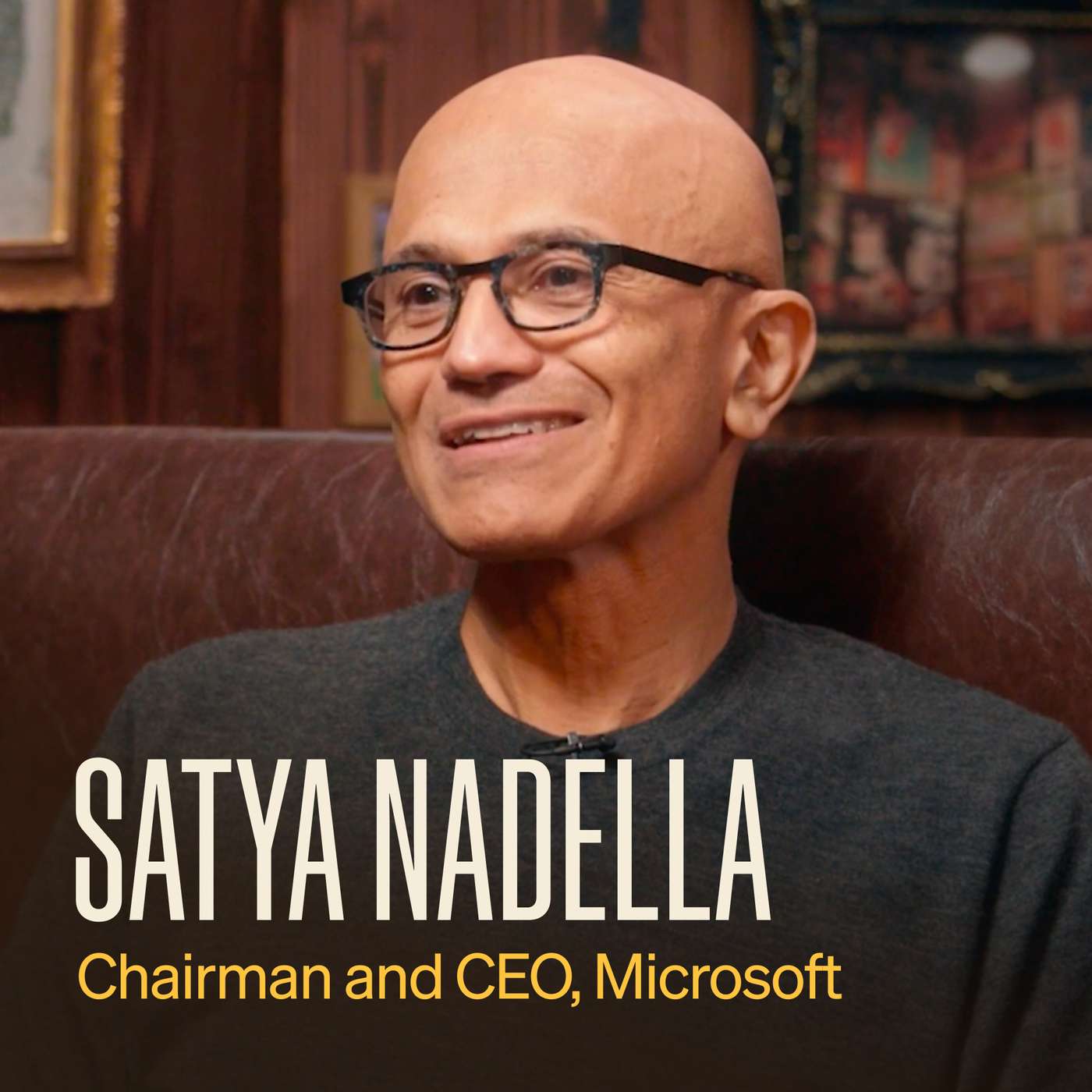
Atai's leadership change from a business-focused founder to a CSO-turned-CEO was a strategic move reflecting its evolution. The company shifted from an asset-gathering model to a traditional biotech focused on advancing its internal pipeline. The co-CEO role was a planned intermediate step to ensure a smooth, controlled transition.
The transition from founder to CEO shouldn't temper the core belief that your company can create massive change. That passion must remain. What should evolve is the execution strategy—moving from pure intuition to structured planning, financial literacy (e.g., understanding a P&L), and leveraging past experiences.
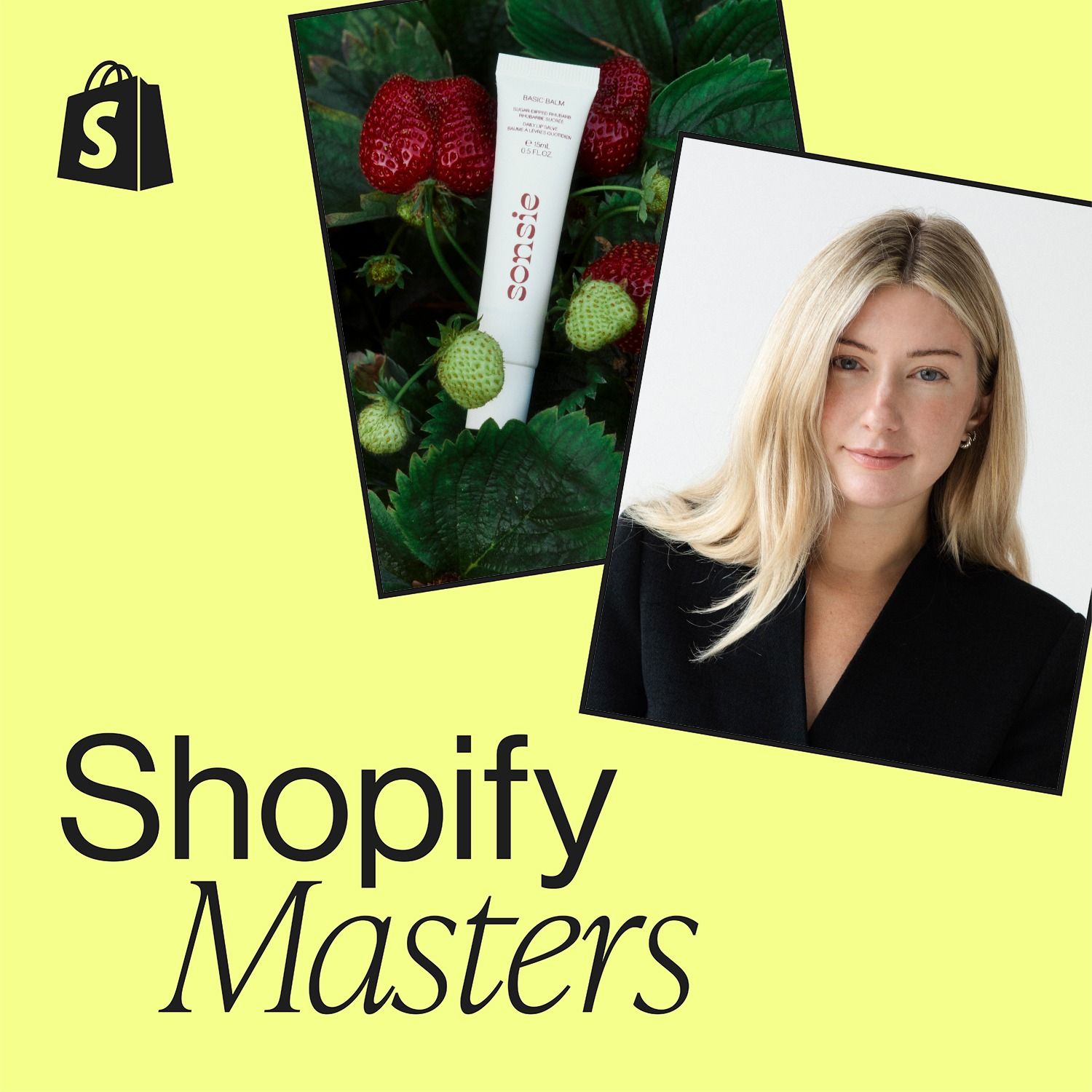
The founder hired an experienced CEO and then rotated through leadership roles in different departments (brand, product, tech). This created a self-designed, high-stakes apprenticeship, allowing him to learn every facet of the business from experts before confidently retaking the CEO role.

After raising institutional money, founder Justin Gold recruited an experienced executive to take the CEO role. Recognizing his own limitations in scaling a large company, he willingly stepped into a founder-focused role, acknowledging the need for professional leadership.